TRENDING

Monday, 5 October 2026
----------------------
24 Rabi' Al-Thani 1448 AH
Democratic socialist Melat Kiros's primary victory in Colorado over a long-term incumbent highlights a growing progressive influence within the Democratic Party, potentially reshaping US foreign policy discourse, particularly on the Israeli-Palestinian conflict, and signaling evolving domestic priorities ahead of the general election.
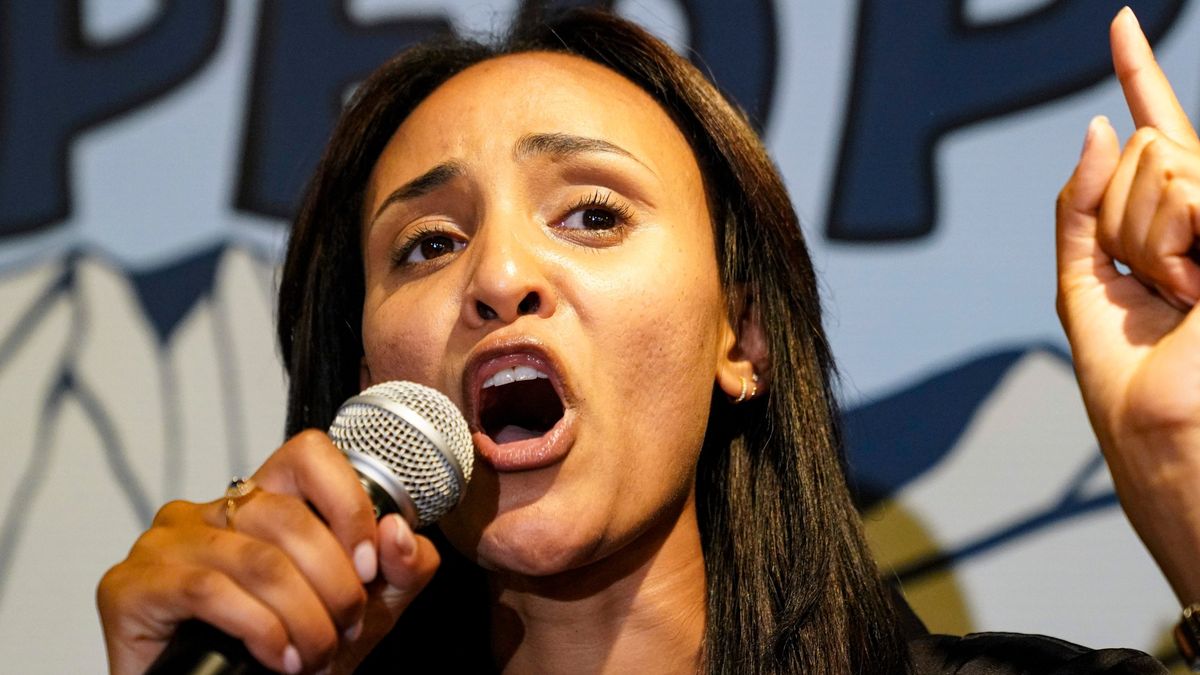
The recent Democratic primary elections in Colorado have underscored a significant ideological shift within the United States' Democratic Party, with democratic socialist Melat Kiros defeating 15-term incumbent Representative Diana DeGette in a Denver-area district. This victory, projected by US media on July 1, 2026, after 78 percent of votes were counted, saw Kiros secure a nearly 7,000-vote lead, marking a notable triumph for the party's progressive wing over its establishment.
Kiros, a 29-year-old former lawyer who immigrated from Ethiopia as a baby, has emerged as a prominent voice on the left. Her campaign gained attention not only for challenging a long-serving incumbent but also for her outspoken criticism of Democrats who support Israel. Kiros has publicly condemned Israel's actions in Gaza as genocide and faced professional repercussions for her stance, including being fired from her job after refusing to remove a social media post critical of law firms' positions on Israel and Palestine. Her alliance with socialist political commentator Hasan Piker further solidifies her progressive credentials.
Beyond Kiros's high-profile win, other significant primary results in Colorado include Attorney General Phil Weiser's victory over US Senator Michael Bennet for the Democratic nomination for governor. Weiser's campaign focused on his legal challenges against the Trump administration, particularly regarding federal funding freezes and attempts to end birthright citizenship, positioning him as a defender of Colorado's interests against federal overreach. Additionally, State Representative Manny Rutinel, a progressive candidate, won the Democratic nomination to challenge Republican US Representative Gabe Evans in a battleground district, with immigration being a central theme in his campaign within a nearly 40 percent Latino constituency.
Kiros's victory, alongside similar successes by democratic socialist candidates in other regions like New York City, signals a broader trend of progressive ascendancy within the Democratic Party. This internal shift carries significant geopolitical implications, particularly concerning US foreign policy in the Middle East. The Democratic Party has historically maintained strong support for Israel, a cornerstone of US strategy in the region. However, the rise of figures like Kiros, who openly challenge this traditional stance and advocate for a more critical approach to Israeli actions, introduces a new dynamic.
Should this progressive influence continue to grow and translate into legislative power, it could lead to increased pressure on the Democratic Party to re-evaluate its long-standing foreign policy positions. A potential shift in US policy towards Israel, even if gradual, could have profound effects on regional stability, diplomatic efforts, and the balance of power in the Middle East. It could alter the dynamics of the Israeli-Palestinian conflict, potentially emboldening certain actors or complicating relations with traditional allies in the region. For global observers, these primary results are not merely domestic political events but indicators of potential future changes in a major global power's international engagement.
Domestically, these primary results highlight an ongoing ideological struggle within the Democratic Party. The success of progressive and democratic socialist candidates against establishment figures suggests a grassroots movement pushing the party further to the left on both social and economic issues, as well as foreign policy. This internal tension could lead to challenges in party cohesion and the formulation of a unified legislative agenda, particularly if the progressive wing gains more leverage in Congress.
Looking ahead to the November general elections, Kiros is heavily favored to win in her overwhelmingly Democratic district. However, the broader impact of this progressive surge on the Democratic Party's overall electoral strategy remains to be seen. While it may energize a segment of the party's base, it could also alienate more moderate voters in competitive districts. With the Republican Party currently holding slim majorities in both the US House of Representatives and Senate, the Democrats' need to net three seats for House control and four for Senate control makes every electoral dynamic critical. The outcomes in districts like Rutinel's, where a progressive candidate faces an incumbent Republican with a significant financial advantage, will be crucial in determining the balance of power in Washington.
The Colorado primary results, particularly Melat Kiros's victory, serve as a bellwether for the evolving political landscape in the United States. They reflect a growing appetite for progressive policies and a willingness to challenge established norms within the Democratic Party. The implications extend beyond domestic governance, signaling potential shifts in US foreign policy, particularly concerning the Middle East, and influencing the broader geopolitical discourse. As the US navigates a complex global environment, the internal ideological shifts within its major political parties will undoubtedly shape its international posture and influence global affairs for years to come.
Source referenced: ALJAZEERA
This brief was synthesized by our Editorial Engine and reviewed by The Ground Narrative team.


