TRENDING

Sunday, 1 November 2026
----------------------
21 Jumada Al-Awwal 1448 AH
Decision-makers and pundits often cling to failed foreign policy narratives, deflecting blame rather than admitting error. This refusal to acknowledge mistakes perpetuates cycles of conflict and human suffering.
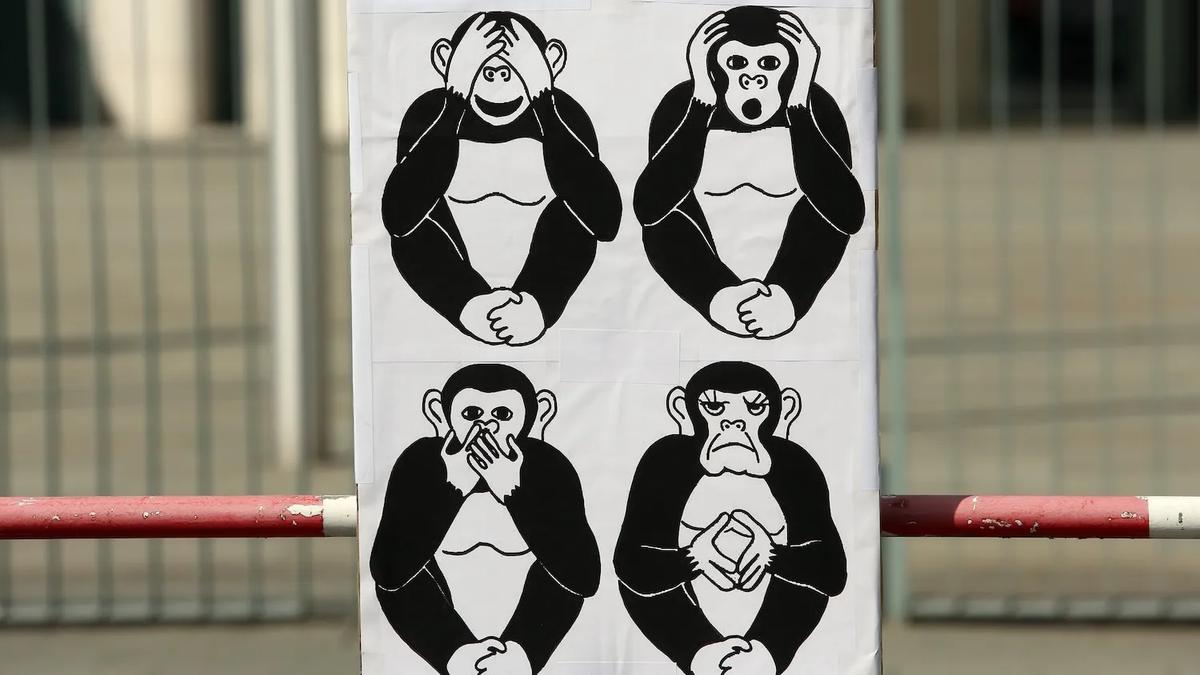
In the intricate theater of global power, a recurring pattern emerges: powerful actors, from national leaders to influential pundits, consistently resist admitting error, particularly concerning significant foreign policy decisions. This stubborn refusal to acknowledge missteps, even when evidence mounts against them, leads to the perpetuation of flawed strategies and a profound lack of accountability. The discussion often centers on high-stakes scenarios, such as the specter of an Iran war, where initial predictions of quick, cheap, and positive outcomes frequently give way to prolonged, costly, and destabilizing realities, yet the original proponents rarely concede their misjudgment.
The reluctance of powerful actors to admit mistakes is not merely a personal failing but a deeply embedded feature of political and institutional systems. Several structural forces compel decision-makers to cling to their narratives, even in the face of overwhelming evidence of failure.
First and foremost is political survival. Admitting a major foreign policy blunder can be career-ending, eroding public trust, damaging reputations, and inviting fierce political opposition. For politicians, the perceived cost of admitting error often outweighs the cost of doubling down on a flawed policy. Similarly, for pundits and academics, maintaining an image of infallibility is crucial for their influence and standing within their respective fields. Their authority is often built on a perceived foresight that would be undermined by acknowledging a significant miscalculation.
Ideological entrenchment plays a critical role. Policymakers and strategists often operate within deeply held ideological frameworks that shape their understanding of the world. These frameworks, once adopted, become incredibly resistant to change. As historian Barbara Tuchman noted, this can lead to a
Powerful actors avoid admitting mistakes due to political survival, ideological entrenchment, institutional inertia, and the ability to control narratives. Admitting error can damage careers, undermine public trust, and challenge deeply held beliefs, making it easier to deflect blame.
Common tactics include blaming implementation failures, attributing negative outcomes to bad luck, insisting that history will eventually prove them right, shifting the original policy goals, and dismissing critical reports as 'fake news' or misinformation.
The human cost is primarily borne by ordinary citizens, including soldiers and civilians in conflict zones, taxpayers funding costly interventions, and displaced populations. It also leads to a broader erosion of public trust and long-term regional instability.
Source referenced: FOREIGNPOLICY
This brief was synthesized by our Editorial Engine and reviewed by The Ground Narrative team.