TRENDING

Sunday, 1 November 2026
----------------------
21 Jumada Al-Awwal 1448 AH
A global boom in data center construction, driven by the race for AI supremacy, is consuming unprecedented amounts of energy and water, sparking fierce local opposition worldwide. While governments tout economic benefits, communities grapple with the environmental and social costs of this digital infrastructure.
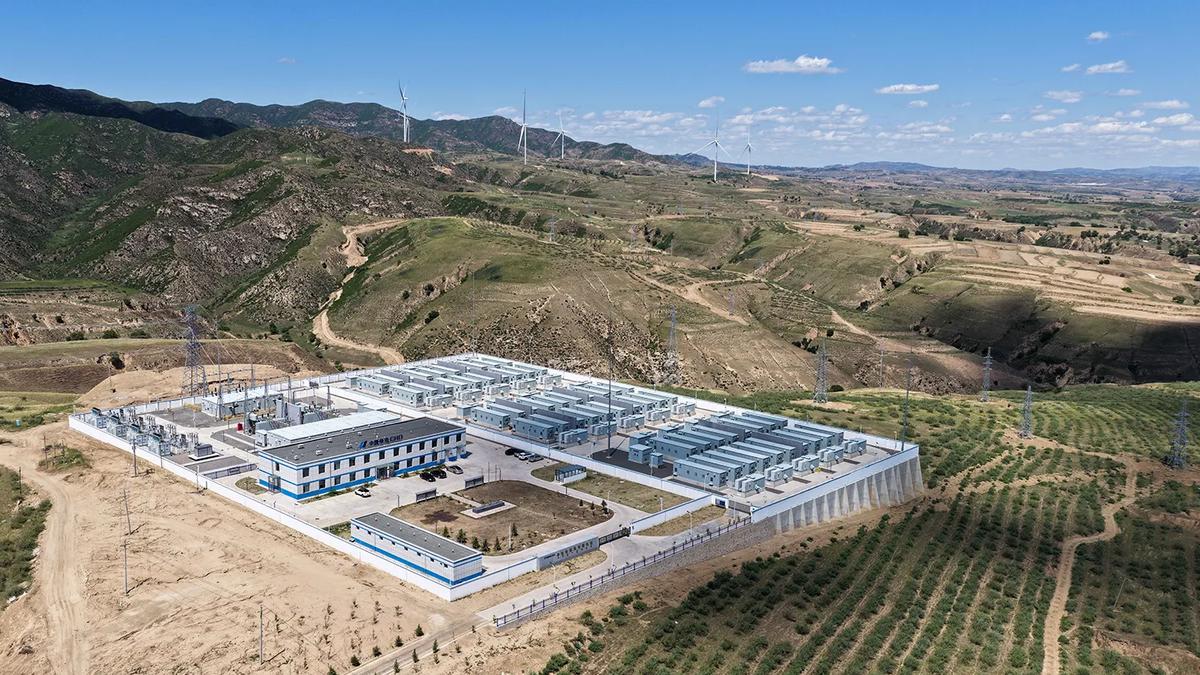
Across the globe, a rapid and unprecedented surge in data center construction is underway, primarily fueled by the escalating demand for Artificial Intelligence (AI) computing power. These massive facilities, packed with servers and cooling systems, are emerging at a stunning pace, with their numbers set to more than double their 2024 electricity consumption by 2030. While nations like the United States and China lead this buildout in pursuit of AI dominance, and tech giants seek to expand their digital footprints, local communities from Chile to Scotland to Australia are increasingly resisting these developments due to concerns over their immense resource demands and environmental impact.
The global data center boom is not merely an organic market expansion; it is a direct consequence of a high-stakes geopolitical and economic competition, primarily between the United States and China, for AI supremacy. Both nations view AI leadership as critical to future economic power, national security, and technological influence. This imperative drives governments to incentivize and fast-track data center construction, often overriding local concerns.
At the heart of this dynamic are the world's largest tech companies – the hyperscale operators like Amazon, Google, and Microsoft (though not explicitly named in the raw intelligence, they are the primary operators of such facilities). These corporations require ever-increasing computing capacity to develop and deploy AI models, cloud services, and the vast digital infrastructure that underpins modern life. Their immense capital and influence allow them to negotiate favorable terms with governments, including tax breaks, expedited permits, and guaranteed access to cheap land and energy.
This creates a new form of resource competition. Data centers are voracious consumers of electricity and water. The sheer scale of their energy demand is projected to make them comparable to entire countries in terms of consumption by 2035. In the United States, the rapid buildout has seen tech giants bypass the traditional grid, opting instead to construct their own on-site natural gas plants to secure immediate and reliable power. In China, the expansion is largely fueled by abundant, but highly polluting, coal. This reliance on fossil fuels, despite pledges for green energy, highlights the immediate, practical demands of the AI race over long-term sustainability goals.
Economic disparities play a crucial role in shaping the global footprint. While the United States, China, and Western Europe currently host the majority of data center capacity, advanced economies like Ireland are already experiencing grid strain and public backlash, leading to moratoriums. This pushes developers to eye emerging markets such as India, Indonesia, Malaysia, Saudi Arabia, and the United Arab Emirates. These regions offer cheaper land, potentially less stringent environmental regulations, and a perceived faster build-out capability, allowing companies to get
Source referenced: FOREIGNPOLICY
This brief was synthesized by our Editorial Engine and reviewed by The Ground Narrative team.


