TRENDING

Sunday, 1 November 2026
----------------------
21 Jumada Al-Awwal 1448 AH
Renewed violence in Thailand's southern provinces highlights a persistent struggle for identity and autonomy. Decades of insurgency have left a trail of human suffering and unresolved grievances.
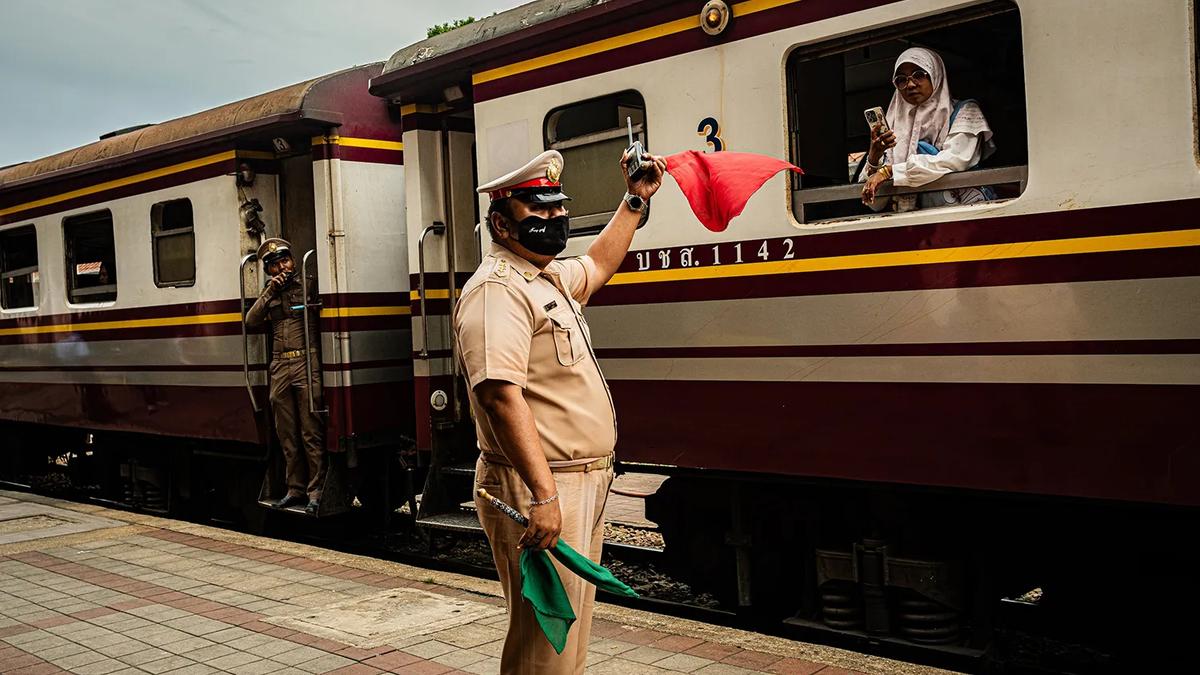
Violence has surged once more in Thailand's Deep South, specifically across Narathiwat, Pattani, and Yala provinces. A July attack on a security checkpoint killed five Thai security forces and injured six civilians, including Habib Hinah, a 10-year-old boy. This incident was followed in August by over 50 coordinated attacks primarily targeting critical infrastructure such as government offices, telecommunications towers, and railways. These events underscore the failure of long-running peace talks and signal a potential escalation in a conflict that has simmered for decades between the Thai government and Malay Muslim separatist groups.
The current flare-up in Thailand's Deep South is a direct consequence of deeply entrenched historical grievances and the shifting balance of power in Bangkok. The region, once the independent Patani Sultanate, was absorbed into Siam (modern-day Thailand) in 1786 and formally divided by a 1909 treaty with British Malaya. This historical annexation laid the groundwork for a persistent struggle against Thai nation-building efforts that sought to impose Buddhist Thai cultural norms on the predominantly Malay Muslim population.
At the heart of the conflict is the Thai state's unwavering commitment to a centralized, unitary national identity. For Bangkok, the southern provinces are an integral part of Thailand, and any separatist movement is viewed as a direct threat to national sovereignty. This perspective has historically justified an aggressive, often heavy-handed, security response, including the imposition of martial law and emergency decrees since 2004. The recent rise of a pro-military government, coupled with surging nationalism across the country, reinforces this stance. Such governments often prioritize security and national cohesion above political concessions, making genuine dialogue difficult. The military's deep involvement in governance means that security considerations frequently outweigh attempts at political resolution, creating a cycle where force is the primary tool for managing dissent.
The main armed group, the Barisan Revolusi Nasional (BRN), operates with a decentralized structure, with leadership based in Malaysia and autonomous field commanders in Thailand. This decentralization grants local units flexibility but also complicates efforts for a unified political voice or a cohesive peace process. The BRN's current strategy appears to be one of calculated pressure: targeting security forces and infrastructure aims to demonstrate capability and disrupt state control without provoking an overwhelming, indiscriminate military response. This
Source referenced: FOREIGNPOLICY
This brief was synthesized by our Editorial Engine and reviewed by The Ground Narrative team.


