TRENDING

Sunday, 1 November 2026
----------------------
21 Jumada Al-Awwal 1448 AH
A joke about a Chinese founding leader sent Kylian Mbappe into a diplomatic and commercial storm, forcing brands to cut ties and prompting state TV to suspend La Liga. The episode exposes how tightly sport, politics and market power are woven in China.
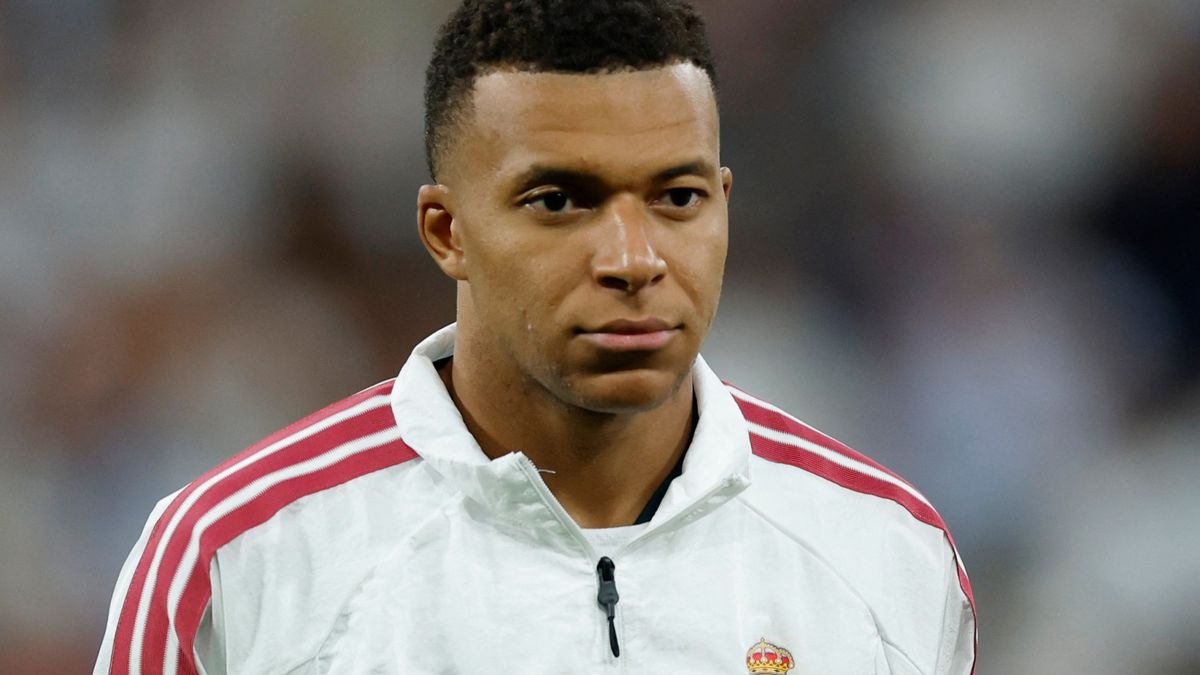
Kylian Mbappe, the French forward for Real Madrid, appeared in a video where he laughed at an internet meme that placed his face on the image of a Chinese dictator. Although he never named Mao Zedong, Chinese netizens identified the figure and demanded an apology. Within days, two major Chinese sponsors—Dongpeng Beverage and dairy giant Mengniu—terminated their contracts, and state television halted all La Liga broadcasts. Mbappe issued a multilingual apology, but the damage to his brand value in China was already done.
China’s middle class now represents more than a billion potential buyers, and global sports brands treat the market as a revenue engine. A single star endorsement can generate hundreds of millions of yuan in sales, especially for products tied to football’s growing popularity.
Brands such as Dongpeng and Mengniu pay premium fees for the right to display a star’s image on packaging, billboards, and digital ads. The contracts often include clauses that allow immediate termination if the athlete is deemed to have violated “national sentiment.” The financial hit to Mbappe’s agents and to Real Madrid’s commercial department is measured not only in lost fees but also in the downstream loss of merchandise sales.
Chinese state broadcasters control the flow of foreign sports content. By pulling La Liga matches, the government signals that cultural products are contingent on political compliance. The move also pressures the league’s leadership to intervene, reminding them that the Chinese market is a strategic partner that can be withdrawn at will.
Both China and European leagues use football to project influence abroad. For China, showcasing a top‑tier league reinforces its image as a modern, open society, while for Europe the league’s broadcast fees fund club operations. The incident shows how a single misstep can disrupt that soft‑power exchange.
Fans across the country lost live access to La Liga matches for weeks, a rare interruption that highlighted how political decisions can curtail everyday entertainment. The blackout also removed a cultural touchpoint for younger viewers who follow the league on social media.
Employees at Dongpeng’s factories and Mengniu’s dairy farms faced sudden order cancellations, leading to temporary layoffs and reduced overtime. The ripple effect reached suppliers in the supply chain who depend on steady demand from high‑profile endorsements.
The forward’s personal brand, built on global appeal, suffered a sharp decline in Chinese social‑media followers. The loss of a million followers translates into reduced influence, lower future endorsement rates, and a tarnished reputation that may follow him beyond his playing career.
Real Madrid relies on Chinese merchandising for a sizable share of its annual income. Stores in Beijing and Shanghai reported empty shelves where Mbappe‑branded jerseys once sat, forcing the club to rewrite its sales forecasts for the fiscal year.
Chinese officials framed the incident as a matter of “national dignity,” deliberately avoiding direct reference to Mao to keep the focus on respect rather than the specifics of the joke. This subtle wording allows the government to enforce its cultural line without appearing to over‑react to a foreign celebrity.
Multinational brands have quietly revised their risk‑assessment models after previous controversies involving Taiwan, Tibet and Hong Kong. The Mbappe episode reinforces a growing trend: companies now embed political‑sensitivity clauses in athlete contracts, effectively giving the Chinese state a veto over global talent.
Western sports media reported the story as a “sponsorship fallout,” downplaying the broader implications for freedom of expression. By treating the incident as a commercial dispute, they sidestep the question of how state‑controlled platforms can shape global cultural narratives.
Neither the French foreign ministry nor the European Union issued a strong statement, opting instead for a low‑key diplomatic note. This restraint reflects a calculation that economic ties with China outweigh the political capital of defending a single athlete’s speech.
- La Liga’s negotiations with Chinese broadcasters in the coming months will reveal how much financial pressure the league is willing to absorb to regain access.
- Other high‑profile athletes with Chinese endorsement deals are likely to adopt stricter self‑censorship, a trend that could reshape the public persona of global sports stars.
- Beijing’s upcoming cultural‑policy conference may codify new guidelines for foreign celebrities, turning today’s ad‑hoc bans into formal regulation.
- Watch for any reciprocal moves by European clubs or leagues seeking to leverage their own media rights in markets outside China, a sign that the power balance could shift.
- Finally, monitor consumer sentiment on Chinese platforms; if fans begin to push back against state‑driven blackouts, it could force a recalibration of how cultural products are filtered.
The episode underscores a simple truth: in a world where a meme can erase a million followers, the line between sport, commerce and politics is thinner than ever.
Chinese companies have clauses that require respect for national symbols. The meme was seen as insulting a founding leader, prompting immediate termination to protect their domestic reputation.
State television suspended all La Liga matches, cutting Chinese fans off from live games and highlighting how political decisions can directly affect sports programming and revenue.
Source referenced: ALJAZEERA
This brief was synthesized by our Editorial Engine and reviewed by The Ground Narrative team.


