TRENDING

Monday, 5 October 2026
----------------------
24 Rabi' Al-Thani 1448 AH
Polish special services are bracing for potential Russian sabotage operations and intensified information warfare, aiming to exploit and exacerbate existing tensions between Poland and Ukraine. This strategic maneuver seeks to undermine regional stability and disrupt support for Kyiv.
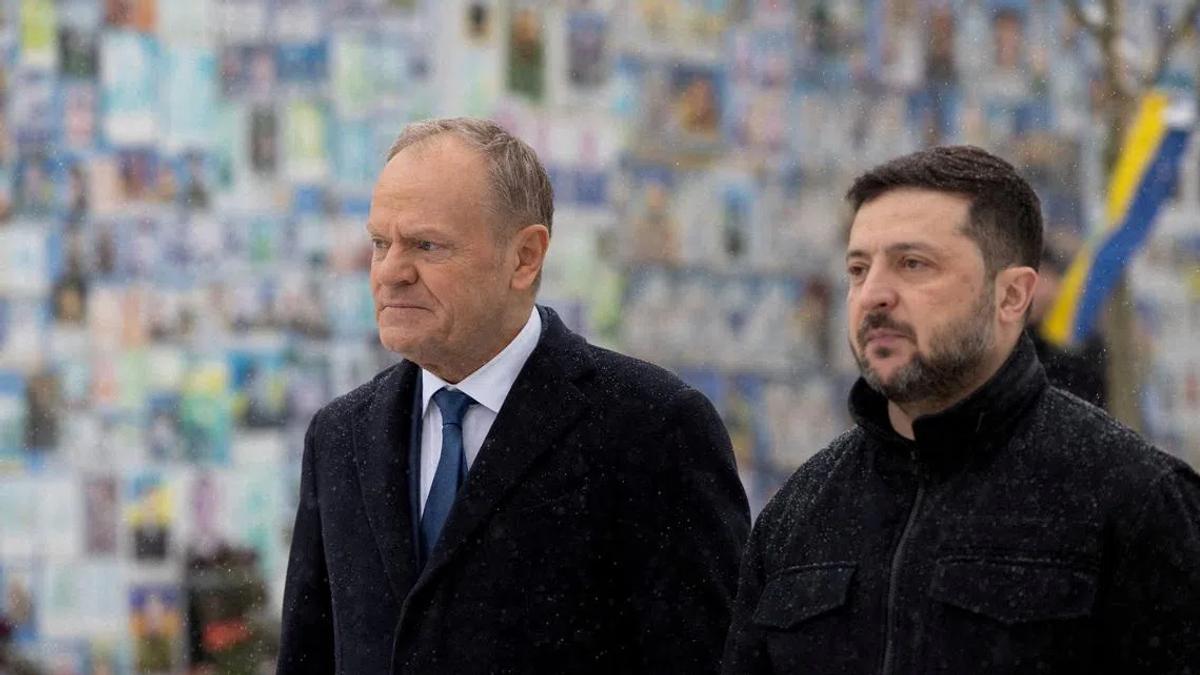
Poland's special services are on high alert, preparing for a potential surge in Russian sabotage operations and an intensification of information warfare campaigns. Tomasz Siemoniak, the Polish minister-in-charge of special services, disclosed on July 1, 2026, that these efforts are specifically designed to exploit and inflame existing tensions between Poland and Ukraine. The warning underscores a broader concern among Western intelligence agencies regarding Russia's capacity for hybrid and even kinetic attacks against NATO's eastern flank, particularly Poland and the Baltic States.
According to Siemoniak, Russian information warfare against Poland has notably intensified in recent weeks. This involves the deployment of trolls and bots to amplify disputes and manipulate public sentiment within Poland's online sphere. The strategic objective, as articulated by Siemoniak, is to foster the "greatest possible tension between Poland and Ukraine," a long-held aspiration of Russian services. This digital manipulation is not merely a standalone tactic but a precursor and accompaniment to potential physical provocations.
The Polish authorities are also anticipating scenarios involving direct Russian provocations, including possible attacks targeting Ukrainians residing in Poland. Such actions would be designed to further inflame public sentiment and deepen divisions. Siemoniak revealed that individuals commissioned by Russian services have shown interest in various facilities deemed important from a Polish-Ukrainian perspective. This interest extends beyond conventional military installations and critical infrastructure to include sites involved in military support for Ukraine, as well as aid organizations and other locations central to Polish-Ukrainian cooperation. While no specific plot is deemed imminent, the authorities are proactively preparing for Russia's attempts to capitalize on current bilateral strains.
The timing of this warning is critical, coinciding with a period of strained relations between Warsaw and Kyiv. A significant point of contention arose from Polish President Karol Nawrocki's decision to strip Ukrainian President Volodymyr Zelensky of Poland's highest state honor. This move was reportedly linked to a dispute over the naming of a Ukrainian army unit after insurgents accused of massacring Poles during World War II. This historical grievance, deeply sensitive for both nations, provides fertile ground for Russian disinformation and destabilization efforts. Russia's strategy is to exacerbate these pre-existing fissures, thereby weakening the crucial strategic partnership between Poland and Ukraine, which is vital for Ukraine's defense against Russian aggression and for regional stability.
The Polish warning extends beyond bilateral relations, touching upon broader geopolitical concerns for Western intelligence. Siemoniak highlighted that Russia possesses an "arsenal of such actions" and is actively preparing them, indicating a comprehensive hybrid warfare doctrine. The risk of Russian hybrid, or even kinetic, attacks against Poland and the Baltic States is a significant concern. These nations, situated on NATO's eastern frontier, represent a critical bulwark against Russian expansionism. Any successful Russian operation to sow discord between Poland and Ukraine, or to destabilize the region through sabotage, would directly undermine NATO's collective security and its ability to project strength and unity.
Such actions could disrupt vital supply lines for military and humanitarian aid flowing into Ukraine, thereby directly impacting Kyiv's war effort. Furthermore, by creating internal divisions and external friction within the anti-Russian coalition, Moscow aims to diminish the resolve and effectiveness of Western support for Ukraine. The ongoing vigilance and proactive measures by Polish special services, alongside broader Western intelligence cooperation, are therefore essential to counter these multifaceted and evolving Russian threats, safeguarding not only national security but also the broader architecture of European stability.
Source referenced: STRAITSTIMES
This brief was synthesized by our Editorial Engine and reviewed by The Ground Narrative team.


