TRENDING

Monday, 21 September 2026
----------------------
10 Rabi' Al-Thani 1448 AH
Nigeria’s president ordered prosecutions after 33 suspected illegal miners were found dead in custody. The episode reveals the clash between state revenue drives, security forces, and the lives of marginalized workers.
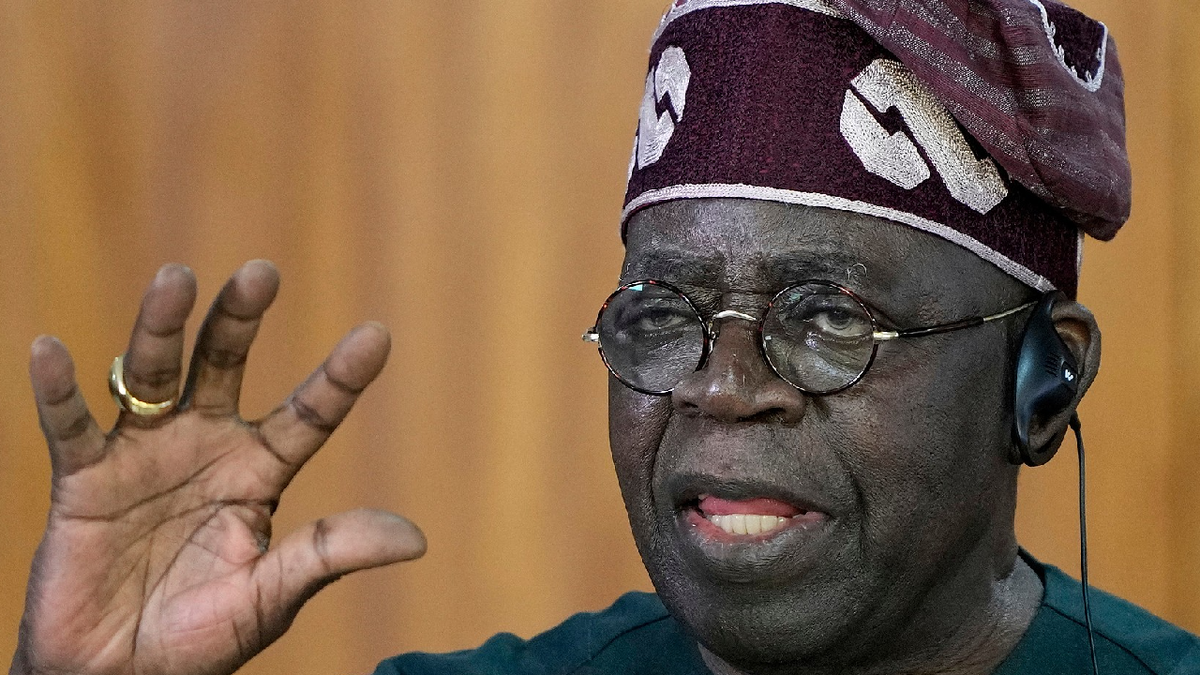
Nigerian President Bola Tinubu announced that any officials found responsible for the deaths of at least 33 suspected illegal miners in a Niger State detention centre will be arrested and prosecuted. The miners were seized during raids on the Wushishi‑Lukoto axis and later discovered dead in an overcrowded cell in Minna. While authorities cite a possible disease outbreak, locals point to extreme heat and poor ventilation as likely causes.
The incident sits at the intersection of three structural forces. First, state revenue: illegal gold mining, especially in the Niger Delta and central regions, fuels a shadow economy that undercuts official mining licences and deprives the federal treasury of billions of naira. Security agencies, notably the Nigeria Security and Civil Defence Corps (NSCDC), are tasked with curbing this loss, often using aggressive raids that bypass due‑process safeguards. Second, political survival: Tinubu’s administration faces mounting criticism over corruption, unemployment, and insecurity. By publicly demanding accountability, the president signals responsiveness to public outcry while deflecting attention from deeper governance failures. Third, institutional inertia: the NSCDC operates under limited oversight, with detention practices that mirror broader systemic neglect of detainee rights. Prosecuting individual officers may placate critics but does little to overhaul the punitive culture that enables such tragedies.
The dead miners were not elite entrepreneurs but often rural laborers driven into the informal sector by poverty, land dispossession, and the collapse of traditional agriculture. Their families—wives, children, and aging parents—now confront loss of breadwinners, burial costs, and the stigma of illegal activity. In the broader community, the crackdown fuels fear, pushing many to either abandon mining altogether or go deeper underground, increasing the likelihood of future accidents. Moreover, the local health infrastructure, already strained, must now handle forensic examinations and potential disease investigations, diverting resources from routine care.
Official statements focus on individual culpability, yet they sidestep the systemic incentives that make illegal mining a livelihood for millions. The federal government continues to grant mining licences to large multinational firms while neglecting community‑based, small‑scale operations, creating a dual market where informal miners fill gaps left by corporate extraction. International investors, eyeing Nigeria’s untapped mineral wealth, benefit from lax enforcement that keeps the formal sector profitable. Meanwhile, the NSCDC’s budget and performance metrics are tied to the number of raids and “illegal sites” cleared, rewarding aggressive tactics over humane detention standards. These structural drivers are largely absent from the public narrative.
Watch for three developments. Judicial outcomes: whether prosecutions lead to convictions or are reduced to symbolic warnings will indicate the depth of political will. Policy shifts: any legislative move to formalize small‑scale mining or to overhaul detention standards could reshape the power balance between local communities and the state. International attention: human‑rights NGOs and foreign aid agencies may amplify the case, pressuring the Tinubu administration to adopt broader reforms, especially if the incident triggers similar deaths in other states. The trajectory of these responses will determine whether the tragedy becomes a catalyst for systemic change or a footnote in Nigeria’s ongoing struggle with resource governance.
Editor's Note: Details on the exact cause of death remain unverified; analysis assumes prevailing reports of heat and overcrowding.
Source referenced: CGTN
This brief was synthesized by our Editorial Engine and reviewed by The Ground Narrative team.


