TRENDING

Saturday, 17 October 2026
----------------------
6 Jumada Al-Awwal 1448 AH
A deepening drought in Nigeria has exacerbated long-standing conflicts between farming communities and nomadic herders, with religious divides playing a decisive role in the escalation of violence.
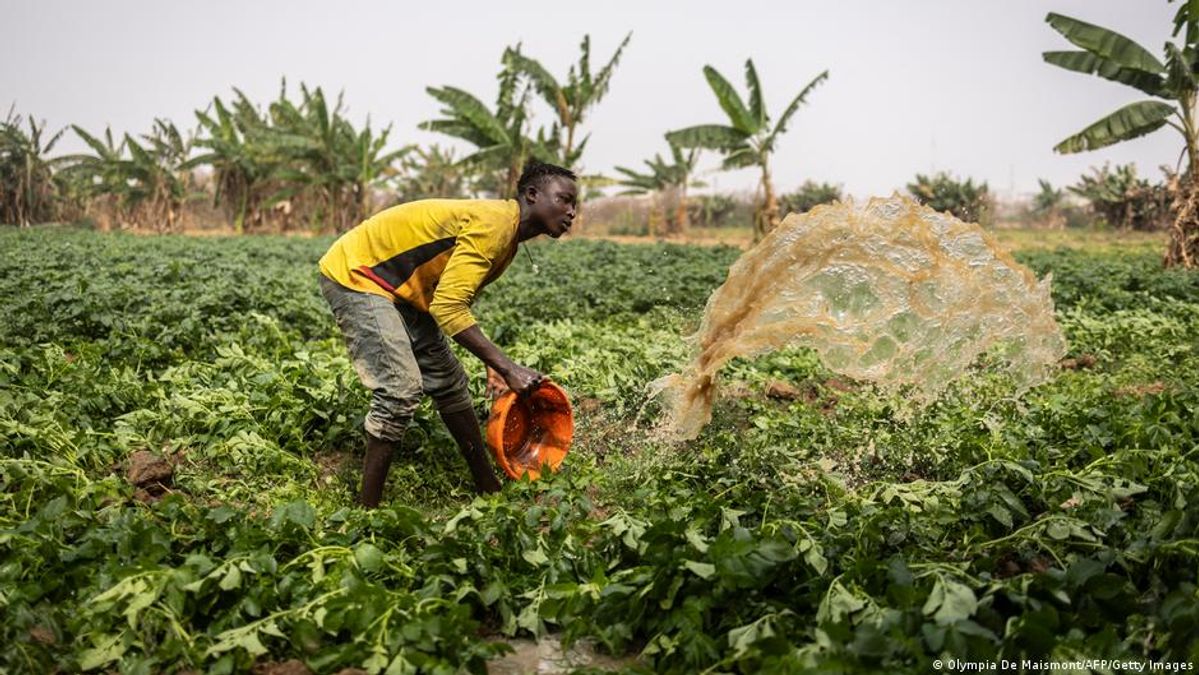
The Sahel region in West Africa, where many Fulani herders have historically lived, is facing a severe drought that has reduced grazing land and led to increased competition over resources. This has resulted in clashes between pastoralists and sedentary farming communities, with the conflict further exacerbated by religious divisions.
A study by the WZB Berlin Social Science Center has found that religious divides are a decisive factor in the escalation of violence in the region. The study, which drew on over two decades of data from across Nigeria, found that conflicts were more likely to occur where Muslim pastoralists interacted with predominantly Christian farming communities. This is because shared religious identity can help limit escalation, with conflicting parties able to appeal to religious authorities respected by both sides, making dispute resolution more likely and reducing the risk of violence.
The United States Commission on International Religious Freedom (USCIRF) has identified armed Fulani groups as being among the most prominent non-state actors behind religious violence in Nigeria. These groups, which are estimated to number around 30,000, have been responsible for a significant number of attacks on Christian communities, particularly in the Middle Belt and southern Nigeria. The USCIRF has warned that the violence linked to Fulani militants has caused more deaths among religious communities over the past year than attacks by insurgent groups or criminal gangs.
The researchers behind the WZB study have called for policies to address water and land management, as well as early warning systems and community-based conflict mediation in religiously mixed regions. Such measures, they suggest, could help to prevent environmental pressures from turning into violent conflict. This is particularly important in the Sahel region, where climate stress and social divisions overlap.
The Nigerian government has been criticized for its handling of the conflict, with some arguing that it has failed to anticipate patterns and respond effectively to the crisis. The government has been accused of providing conflicting messaging, which has fueled uncertainty and fear among the public. There is a need for a clear program and strategy to address the threat posed by armed Fulani groups and to prevent further escalation of the conflict.
The conflict in the Sahel region is a complex issue that requires a nuanced understanding of the factors at play. While drought and competition over resources are significant contributors to the conflict, religious divides play a decisive role in the escalation of violence. The Nigerian government must take a proactive approach to addressing the conflict, including implementing early warning systems and community-based conflict mediation, and providing a clear program and strategy to address the threat posed by armed Fulani groups.
Editor's Note: The analysis is based on a study by the WZB Berlin Social Science Center, which provides a nuanced understanding of the factors contributing to the conflict in the Sahel region.
Source referenced: DW
This brief was synthesized by our Editorial Engine and reviewed by The Ground Narrative team.