TRENDING

Monday, 5 October 2026
----------------------
24 Rabi' Al-Thani 1448 AH
Nestle's decision to change the KitKat recipe in Europe to make it crispier and add a hazelnut tone is a strategic move to attract new consumers and maintain market share in the face of rising cocoa prices.
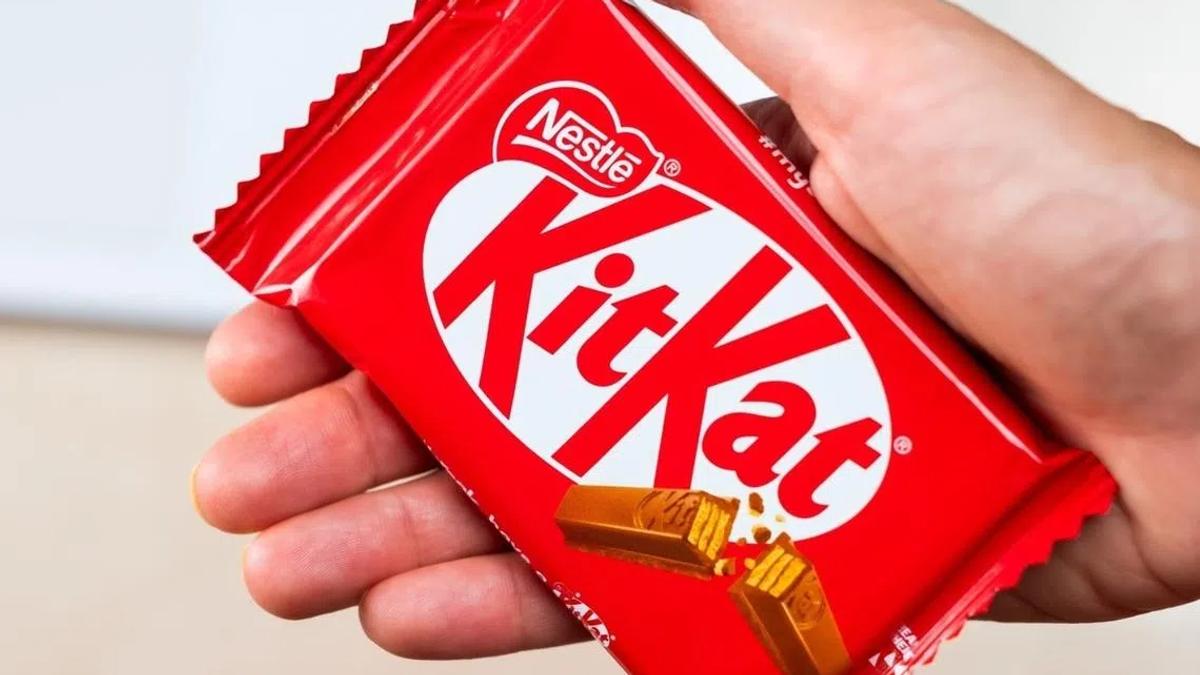
The European chocolate market is undergoing significant changes, driven by rising cocoa prices and shifting consumer preferences. Nestle, the world's largest chocolate maker, has announced plans to change the recipe for its iconic KitKat bars in Europe, making them crispier and adding a hazelnut tone. This move is a strategic response to the challenges facing the industry and a bid to maintain market share.
Rising cocoa prices have been a major concern for chocolate makers in recent years. The cost of cocoa has increased by about 50% over the past five years, making it more expensive for manufacturers to produce chocolate products. This has led to some producers reducing the amount of cocoa in their products or introducing new, more affordable options. Nestle's decision to change the KitKat recipe is a response to this challenge, as the company seeks to maintain its market share and attract new consumers.
The new KitKat recipe will feature a hazelnut tone, which is expected to appeal to consumers who prefer a more complex flavor profile. This move is significant, as it marks a departure from the traditional milk chocolate flavor of the original KitKat. By adding a hazelnut tone, Nestle is attempting to attract a new segment of consumers who may not have previously considered KitKat as a viable option.
The change in KitKat recipe will have regional implications, particularly in the UK and US. In the UK, the recipe will remain unchanged, as British consumers tend to prefer a more traditional flavor profile. In the US, Hershey, the manufacturer of KitKat, has announced plans to adjust the recipe to give it a creamier taste and texture in 2027.
Nestle's decision to change the KitKat recipe is driven by strategic motivations, including the need to maintain market share and attract new consumers. The company is seeking to capitalize on the growing demand for premium and unique chocolate products, while also responding to the challenges posed by rising cocoa prices. By introducing a new recipe, Nestle is attempting to stay ahead of the competition and maintain its position as a leading player in the European chocolate market.
The consequences of Nestle's decision to change the KitKat recipe will be significant, both for the company and the wider chocolate industry. If successful, the new recipe could help Nestle maintain its market share and attract new consumers. However, if the change is met with resistance from consumers, it could have negative consequences for the company's reputation and sales.
Nestle's decision to change the KitKat recipe in Europe is a strategic move to maintain market share and attract new consumers in the face of rising cocoa prices. The introduction of a hazelnut tone and a crispier texture is a bid to capitalize on the growing demand for premium and unique chocolate products. While the consequences of this decision will be significant, it is clear that Nestle is committed to staying ahead of the competition and maintaining its position as a leading player in the European chocolate market.
Editor's Note: The analysis is based on publicly available information and may not reflect the full range of strategic motivations and consequences associated with Nestle's decision to change the KitKat recipe.
Source referenced: STRAITSTIMES
This brief was synthesized by our Editorial Engine and reviewed by The Ground Narrative team.


