TRENDING

Monday, 5 October 2026
----------------------
24 Rabi' Al-Thani 1448 AH
A severe drought in Central and Southeastern Europe has triggered an unprecedented energy crisis, with Hungary and Romania being the most affected. The crisis has exposed the region's vulnerability to climate change and its inadequate energy infrastructure. As the situation continues to worsen, governments are scrambling to find solutions, but the human cost is already being felt.
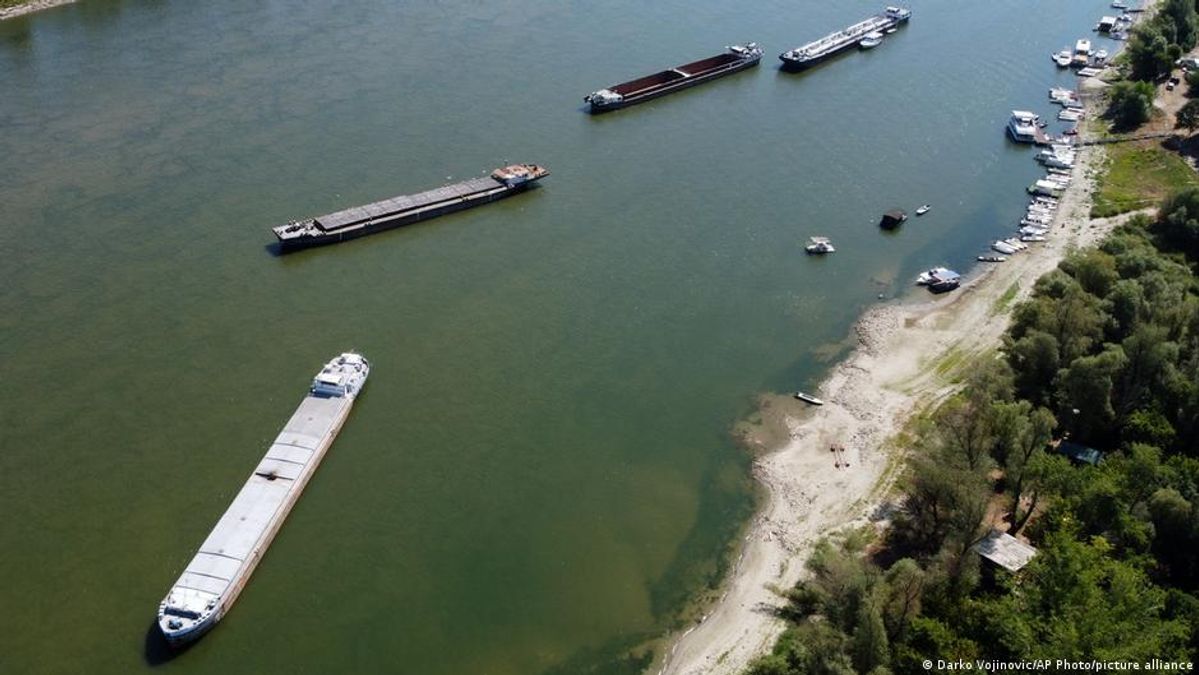
The Danube River, a vital source of energy and transportation for several European countries, has reached historically low water levels due to a severe drought. The drought has caused a significant decrease in electricity generation, forcing companies to halt production and governments to implement emergency measures. Hungary and Romania are the most affected countries, with their nuclear power plants operating at reduced capacity due to the lack of cooling water.
The energy crisis in the region is a result of a combination of factors, including the drought, inadequate energy infrastructure, and a lack of diversification in energy sources. Hungary's reliance on nuclear power and limited solar and wind energy capacity has made it particularly vulnerable to the crisis. Romania's energy mix is more balanced, but its hydropower capacity is still heavily dependent on the Danube River. The crisis has also exposed the limitations of the region's energy grid, which is struggling to cope with the reduced supply of electricity.
The energy crisis is having a significant impact on the people of Hungary and Romania, with many companies being forced to scale back production or shut down entirely. This has resulted in job losses and economic hardship for many families. The crisis has also affected the transportation sector, with cargo vessels on the Danube River able to carry only a fraction of their normal loads. The human cost of the crisis is not limited to the economic impact; the drought has also had a significant effect on the environment, with many crops failing and water levels in the Danube River reaching record lows.
What is being downplayed by governments and corporations is the long-term impact of the drought on the region's energy security. The crisis has exposed the vulnerability of the region's energy infrastructure to climate change, and the need for a more diversified and resilient energy mix. The fact that Bulgaria, which has invested heavily in solar and wind energy, is less affected by the crisis, highlights the importance of renewable energy in mitigating the impact of climate change. However, the transition to renewable energy is not without its challenges, and the region will need to address issues such as energy storage and grid stability in order to ensure a reliable supply of electricity.
As the situation continues to worsen, governments in the region will need to take urgent action to address the energy crisis. This will likely involve a combination of short-term measures, such as importing electricity from other countries, and long-term solutions, such as investing in renewable energy and improving energy efficiency. The crisis has also highlighted the need for greater cooperation and coordination between countries in the region, in order to develop a more resilient and sustainable energy system. As the region struggles to cope with the impact of the drought, one thing is clear: the future of energy in Europe will be shaped by the ability of governments and corporations to adapt to the challenges of climate change.
Editor's Note: The analysis is based on current data and trends, but the situation is evolving rapidly, and the outcome is uncertain.
Source referenced: DW
This brief was synthesized by our Editorial Engine and reviewed by The Ground Narrative team.


