TRENDING

Wednesday, 7 October 2026
----------------------
26 Rabi' Al-Thani 1448 AH
The NATO summit in Ankara has concluded with a sense of relief, but the alliance faces an uncertain future as it navigates the complex relationship with the United States under President Donald Trump.
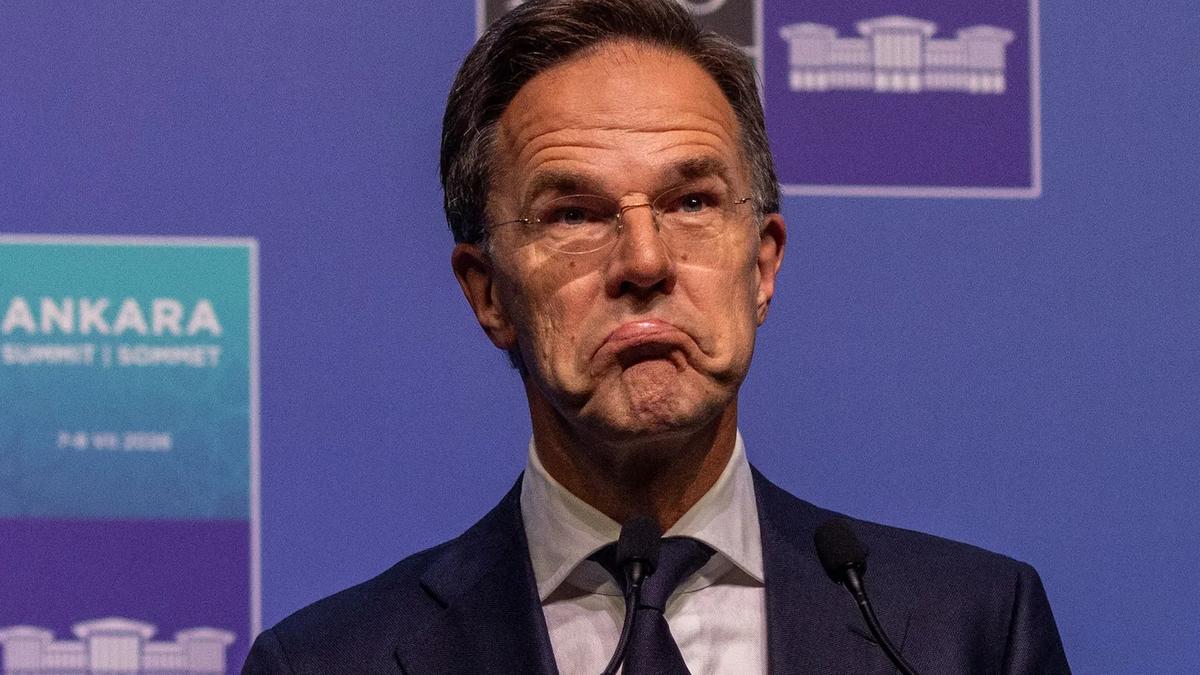
The recent NATO summit in Ankara, Turkey, has come to a close, with U.S. President Donald Trump departing on a positive note. However, beneath the surface, the alliance is facing significant challenges as it navigates the complex relationship with the United States.
The relationship between the U.S. president and NATO is now considered 'broken,' according to Nathalie Tocci, director of the Rome-based Institute of International Affairs think tank. This realization has led to a shift in the alliance's approach, with NATO now playing a 'waiting game' to minimize the chances of further blowups with Trump.
Despite the challenges posed by Trump's unpredictable behavior, European leaders have made progress in stepping up to do more to shoulder their burden within the alliance. This shift towards a more European-led NATO is a significant development, with the alliance's secretary-general, Mark Rutte, emphasizing the need for greater European engagement.
The future of NATO remains uncertain, with the alliance facing significant challenges in the coming years. The next summit is scheduled to take place in Albania, but a date has not been set, raising concerns that Trump may not attend. This would be a significant blow to the alliance, and NATO officials are working to minimize the chances of such an event.
The implications of NATO's uncertain future are far-reaching, with regional stability and security at risk. The alliance's ability to respond to emerging threats, such as the ongoing conflict in Ukraine, is compromised by the uncertainty surrounding Trump's behavior.
The NATO summit in Ankara has highlighted the significant challenges facing the alliance in the coming years. As the world grapples with emerging threats and complex global issues, the future of NATO remains uncertain. The alliance must navigate the complex relationship with the United States, while also addressing the needs and concerns of its member states.
The next few months will be critical in determining the future of NATO. The alliance must work to minimize the chances of further blowups with Trump, while also addressing the needs and concerns of its member states. The regional implications of NATO's uncertain future are significant, and the alliance must take a proactive approach to address these challenges.
The future of NATO is uncertain, but one thing is clear: the alliance must adapt to the changing global landscape. This will require a shift towards greater European engagement, as well as a more proactive approach to addressing emerging threats. The next few months will be critical in determining the future of NATO, and the alliance must work to navigate the complex challenges ahead.
The weekslong truce between the United States and Iran appears to be on its last legs, with the two countries exchanging fire for a second day in a row. The renewed fighting has rattled energy markets, and the implications of this development are significant.
Turkey's President Recep Tayyip Erdogan has been leveraging his country's hosting of the summit to push for the removal of U.S. sanctions imposed on Turkey over its purchase of the Russian-made S-400 missile defense system. Trump has opened the door to reversing a ban on Turkey buying F-35 fighter jets from the United States, but this would require congressional approval.
The NATO summit in Ankara has highlighted the significant challenges facing the alliance in the coming years. As the world grapples with emerging threats and complex global issues, the future of NATO remains uncertain. The alliance must navigate the complex relationship with the United States, while also addressing the needs and concerns of its member states.
The next few months will be critical in determining the future of NATO. The alliance must work to minimize the chances of further blowups with Trump, while also addressing the needs and concerns of its member states. The regional implications of NATO's uncertain future are significant, and the alliance must take a proactive approach to address these challenges.
Editor's Note: The analysis is based on the available information and may be subject to change as new developments emerge.
Source referenced: FOREIGNPOLICY
This brief was synthesized by our Editorial Engine and reviewed by The Ground Narrative team.


