TRENDING

Sunday, 15 November 2026
----------------------
5 Jumada Al-Thani 1448 AH
A military jet struck a tented camp in Rakhine, killing 12 and wounding dozens. The incident reveals how the junta’s survival calculus endangers civilians already fleeing conflict.
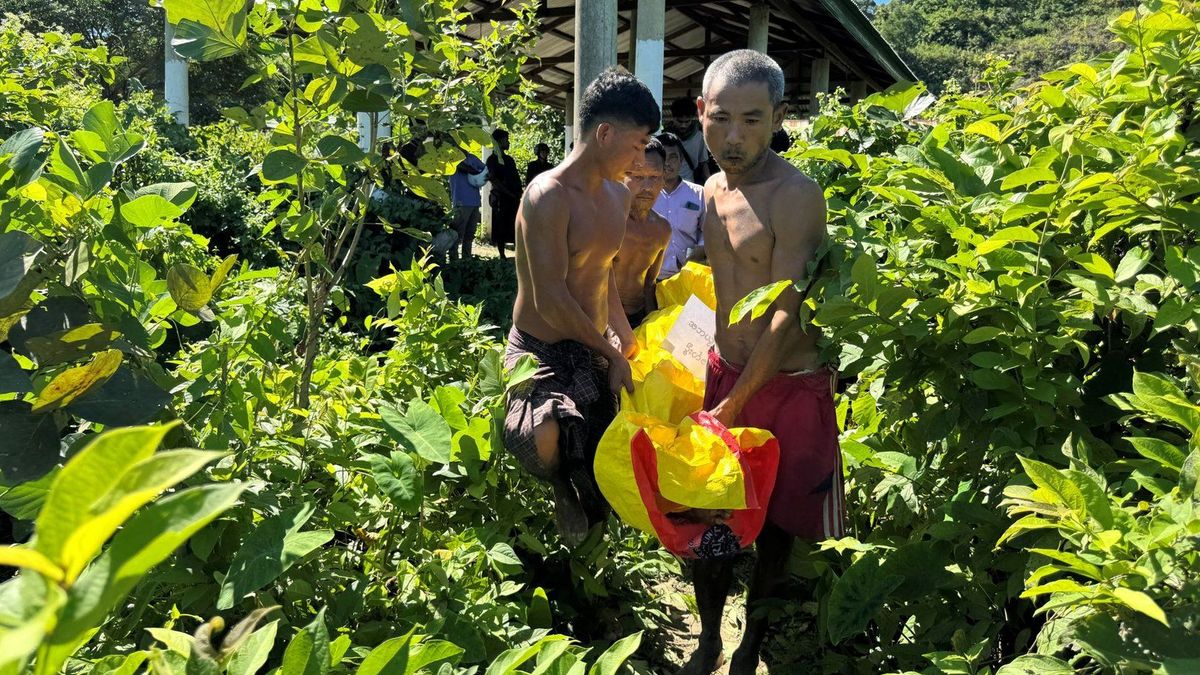
On 14 November 2026, a Myanmar Air Force jet bombed a displacement camp in Rakhine state, killing 12 people—including a five‑year‑old child—and injuring 18 others, according to local rescuers. The camp housed families displaced by ongoing fighting between the Tatmadaw and ethnic armed groups, and the strike occurred amid a broader escalation of aerial attacks in the region.
The junta has relied on air power since the 2021 coup to project force across a fragmented battlefield. Fixed‑wing aircraft allow the Tatmadaw to strike targets beyond the reach of ground troops, creating a perception of omnipresent control. In Rakhine, where insurgent groups such as the Arakan Army operate in rugged terrain, the military views air strikes as a way to disrupt supply lines and intimidate civilian support networks.
Since seizing power, the Myanmar military has faced mounting internal dissent and international isolation. Each successful operation—real or staged—feeds the narrative that the regime can still win the war, bolstering the loyalty of senior officers and the loyalty‑based patronage system that sustains the junta. The decision to target a civilian camp, despite the obvious backlash, signals a willingness to accept collateral damage if it serves the regime’s narrative of decisive action.
Western sanctions have choked off traditional revenue streams, pushing the junta to lean on neighboring powers for economic lifelines. China and India continue to supply fuel, spare parts, and limited diplomatic cover, allowing the air force to stay operational. By demonstrating that the military can still conduct high‑profile strikes, the regime hopes to extract concessions—such as relaxed sanctions or increased humanitarian aid—by positioning itself as the sole security guarantor in volatile border zones.
The camp housed roughly 1,200 people who had fled villages seized by the Arakan Army. Survivors describe families torn apart, with children left without parents and women forced to carry the wounded across muddy paths to makeshift clinics. The loss of a five‑year‑old child underscores how the conflict erodes the next generation’s prospects, turning a generation of refugees into a generation of orphans.
Rakhine’s informal economy—small traders, rice sellers, and craft makers—relies on the relative stability of displacement sites. The strike destroyed tents, food stores, and a community kitchen, pushing survivors into deeper poverty. With markets shuttered and aid deliveries delayed, many families now face hunger, forcing some to return to contested villages where the risk of recruitment or forced labor by armed groups is high.
The camp’s only clinic, staffed by volunteers from a Myanmar‑based NGO, lost critical medical supplies in the blast. Injured civilians now travel hours to the nearest government hospital, where they encounter understaffed wards and a lack of blood products. The strike has also heightened fear among health workers, leading several to abandon their posts, further degrading the already fragile health infrastructure.
Official statements from the Myanmar junta labeled the strike as an “accidental hit on a rebel‑occupied area,” refusing to acknowledge civilian casualties. By framing the camp as a legitimate military target, the regime seeks to deflect international condemnation and maintain domestic support among hard‑line supporters who view any civilian harm as an unfortunate but necessary cost of war.
While the United Nations condemned the attack, the response has been muted compared to similar incidents in other conflict zones. ASEAN members, wary of infringing on the principle of non‑interference, have offered only vague calls for restraint. Meanwhile, China and Russia have quietly opposed any UN Security Council resolution that could lead to stronger sanctions, emphasizing the need for “political solutions” over punitive measures.
Humanitarian organizations operating in Rakhine face restricted access due to the junta’s security checkpoints and the threat of aerial surveillance. The strike has prompted many NGOs to reassess the safety of staff, limiting the flow of essential supplies. This self‑imposed scaling back, combined with funding shortfalls, creates a feedback loop where civilian vulnerability fuels further militarization.
The next weeks will reveal whether the Tatmadaw escalates its aerial campaign or retreats under international pressure. Key indicators include: (1) changes in the frequency of air sorties over civilian‑dense areas; (2) shifts in China’s diplomatic language, which could signal a recalibration of its support; and (3) the response of regional bodies like ASEAN—whether they move from rhetoric to concrete mediation. Observers should also monitor aid corridors for disruptions, as any prolonged blockage will deepen the humanitarian crisis and potentially push displaced populations toward armed recruitment.
The junta views air strikes as a tool to intimidate civilian support for rebel groups and to demonstrate its operational capability, even if it means civilian casualties.
The UN condemned the attack, but regional bodies like ASEAN have offered limited criticism, while China and Russia have resisted stronger sanctions, keeping pressure on the junta relatively low.
Source referenced: ALJAZEERA
This brief was synthesized by our Editorial Engine and reviewed by The Ground Narrative team.


