TRENDING

Monday, 5 October 2026
----------------------
24 Rabi' Al-Thani 1448 AH
Ukrainian drone strikes have reached the Moscow region, resulting in a civilian fatality and targeting key logistical hubs. This escalation brings the conflict's physical and psychological toll directly to Russia's capital, challenging state narratives of control.
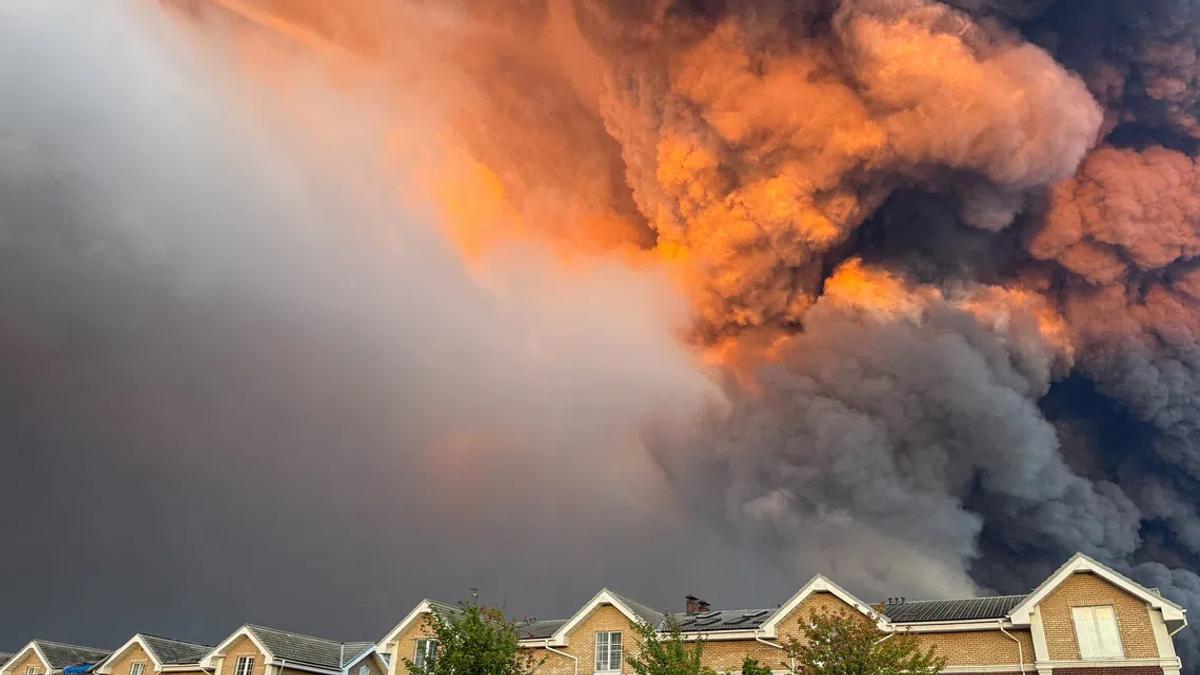
Ukrainian drones struck the Moscow region overnight, marking one of the most significant attacks on the area to date. The assault resulted in the death of an 83-year-old man and injuries to several others in Podolsk, where a warehouse belonging to Russia's largest online retailer, Wildberries, was hit. Damage was also reported at other sites, including a warehouse near Domodedovo airport. While Russia's Defence Ministry claimed to have downed 822 Ukrainian drones across the country, the strikes underscore a critical shift in the conflict's geography.
These attacks are not merely symbolic; they represent a calculated shift in Ukraine's strategy to degrade Russia's capacity to sustain its military campaign. By targeting logistical and economic infrastructure deep within Russian territory, Kyiv aims to disrupt supply chains, strain Russia's air defense resources, and impose a tangible cost on the Russian populace. The choice of targets like Wildberries, accused by Ukraine of handling military goods, highlights an effort to blur the lines between civilian commerce and military support, creating a wider array of legitimate targets in Ukraine's view. For the Kremlin, these strikes present a dilemma: acknowledge the vulnerability and risk public panic, or downplay the threat and risk appearing ineffective. The attacks force Russia to divert critical air defense assets from the frontlines to protect its heartland, thereby potentially weakening its offensive capabilities elsewhere. This is a direct challenge to the Kremlin's narrative of maintaining control and projecting strength, forcing a reallocation of resources and attention.
While official statements focus on military responses, the most immediate and profound impact of these strikes is borne by ordinary citizens. The death of the 83-year-old man in Podolsk is a stark reminder that the war, once a distant conflict for many Muscovites, is now literally at their doorstep. Beyond casualties, the psychological toll on residents living under the threat of drone attacks is immense. The disruption to daily life, from closed airports to damaged warehouses, affects livelihoods and creates a pervasive sense of insecurity. Workers at the targeted facilities face immediate job uncertainty and the danger of being at a site deemed a legitimate target. For the broader population, disruptions to supply chains, even for everyday consumer goods, can erode public confidence and create a sense of instability that no official rhetoric can fully mask. These are the human costs often overlooked in the strategic calculus of power.
What powerful actors are downplaying or omitting is the true extent of Russia's vulnerability and the long-term implications for its domestic stability. The Russian Ministry of Defence's claim of downing hundreds of drones across the country, while intended to project competence, inadvertently highlights the sheer scale of the threat. The fact that any drones reach targets in the Moscow region, despite these interceptions, reveals gaps in Russia's layered air defense systems. Official statements tend to minimize the actual damage, focusing on successful interceptions rather than the penetrations. This narrative aims to prevent public alarm and maintain a facade of control. However, the economic ripple effects – from increased insurance premiums for logistics hubs to potential shifts in investment and supply chain strategies – will be significant and long-lasting, even if not immediately publicized. The silence around the broader economic and psychological impact on the Russian populace is a deliberate strategy to contain dissent and maintain a sense of normalcy.
Looking ahead, several factors will shape the trajectory of this evolving drone war. Readers should watch for any escalation in the frequency or sophistication of Ukrainian drone attacks, particularly if they target more critical infrastructure or government facilities within Russia. How Russia adapts its air defense strategy, and whether it can effectively shield its vast territory, will be crucial. The Kremlin's public messaging will also be key: will it continue to downplay the threat, or will it shift to a more aggressive narrative to mobilize public support or justify retaliatory actions? The long-term impact on Russian public morale and internal political stability, though difficult to measure, will be a critical indicator of the effectiveness of Ukraine's strategy. These attacks represent a significant shift, bringing the physical and psychological pressures of the conflict into Russia's heartland, and the consequences will ripple through both military and civilian spheres.
Source referenced: STRAITSTIMES
This brief was synthesized by our Editorial Engine and reviewed by The Ground Narrative team.


