TRENDING

Monday, 5 October 2026
----------------------
24 Rabi' Al-Thani 1448 AH
Indian Prime Minister Narendra Modi's recent speech on India's Independence Day highlighted his focus on youth development, but critics argue it's an attempt to divert attention from his government's contentious policies. As Modi's popularity wanes among young Indians, his administration faces growing criticism over its handling of the economy, education, and social issues.
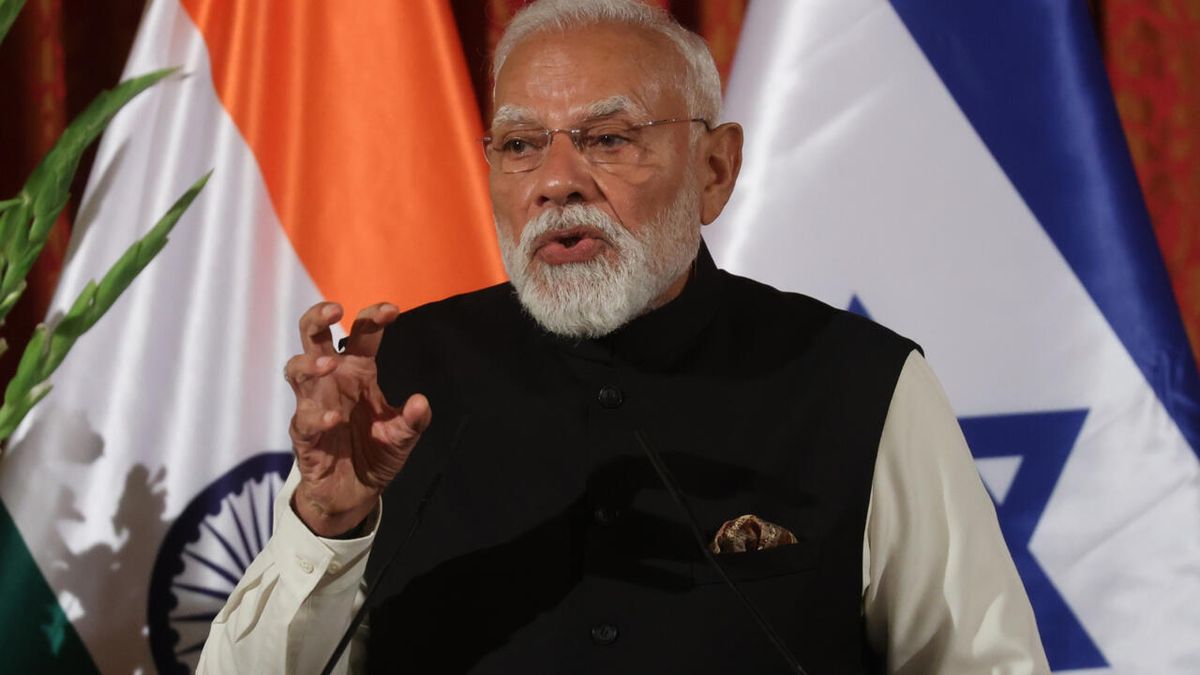
Indian Prime Minister Narendra Modi delivered a speech on India's Independence Day, emphasizing his government's commitment to youth development. He announced initiatives such as free online coaching for competitive exams and plans to train 10 million young people in artificial intelligence over the next year. This move comes amid growing criticism of Modi's Hindu nationalist policies and recent youth-led protests against his government.
Modi's speech is a strategic attempt to regain the support of India's youth, who have been increasingly disillusioned with his government's policies. The Indian economy has struggled to create jobs, and the education system has faced criticism for its emphasis on rote learning over critical thinking. By announcing initiatives that cater to young people's aspirations, Modi aims to co-opt their support and divert attention from the more contentious aspects of his agenda. However, this approach may backfire if the initiatives are perceived as mere tokenism or if the government's overall policies continue to prioritize the interests of the wealthy and powerful over those of the general population.
The human cost of Modi's policies is borne by the very demographic he is trying to court: young Indians. The lack of job opportunities, the erosion of social mobility, and the suppression of dissenting voices have all taken a toll on the youth. The recent protests against the government's handling of education and the economy are a testament to the growing frustration among young people. Furthermore, the emphasis on Hindu nationalist ideology has created an environment of intolerance, where minority groups and dissenting voices are marginalized and persecuted.
What Modi's speech omitted was any acknowledgment of the criticisms leveled against his government. The initiatives announced are likely to be seen as a Band-Aid solution to the deeper structural issues plaguing India's economy and education system. The government's handling of dissent, particularly among young people, has been marked by a heavy-handed approach, with protesters often facing violence and intimidation. The international community has also raised concerns about India's human rights record under Modi's leadership, but these issues were conveniently glossed over in his speech.
As Modi's government continues to face criticism and protests, it is essential to watch for how the administration responds to the growing dissent. Will the initiatives announced in the speech be implemented effectively, or will they remain mere rhetoric? How will the government balance its attempts to court young people with its commitment to Hindu nationalist ideology? The answers to these questions will have significant implications for India's future, both domestically and internationally. The world will be watching to see if Modi's government can address the concerns of its youth and restore India's reputation as a beacon of democracy and tolerance in the region.
Editor's Note: The analysis is based on publicly available information and may not reflect the full complexity of the situation on the ground.
Source referenced: FRANCE24
This brief was synthesized by our Editorial Engine and reviewed by The Ground Narrative team.


