TRENDING

Sunday, 4 October 2026
----------------------
23 Rabi' Al-Thani 1448 AH
Malaysia's decision to potentially repatriate 5,000 Rohingya refugees to Myanmar has sparked concerns over the safety and well-being of those who fled persecution. The move highlights the complex power dynamics at play in Southeast Asia, where humanitarian needs often clash with geopolitical interests.
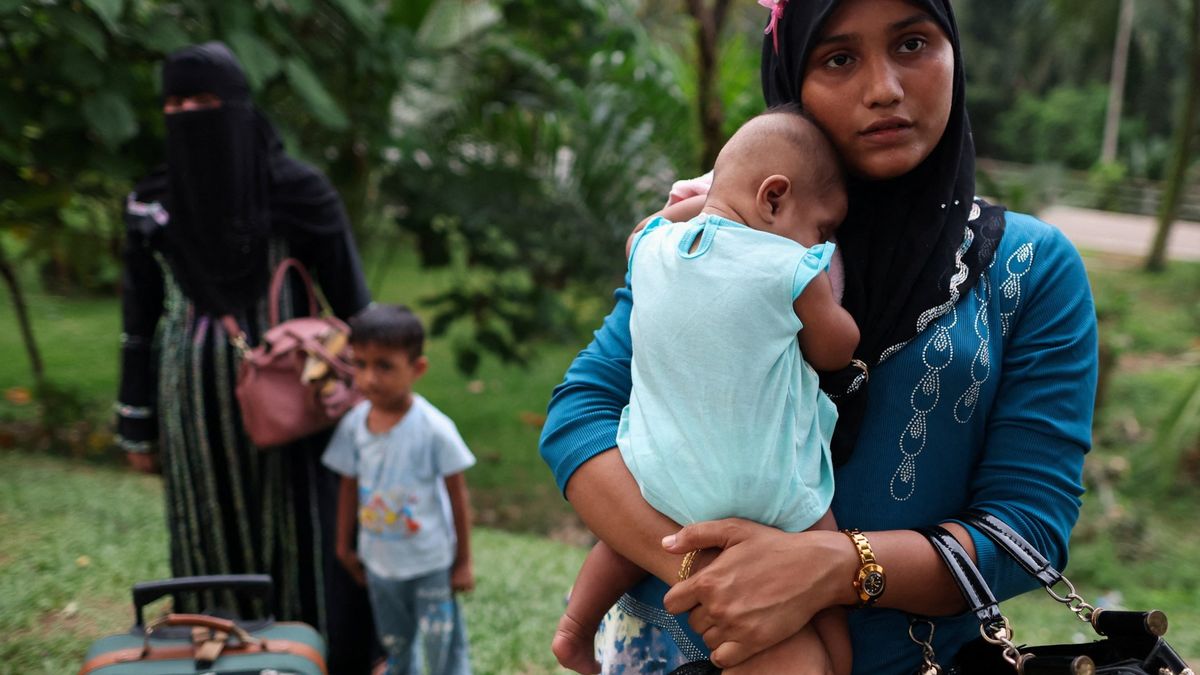
Malaysia has announced that it will not proceed with the repatriation of 5,000 Rohingya refugees to Myanmar if their lives would be at risk upon return. This decision comes after the government faced criticism from rights groups, who argue that the refugees would face persecution and other serious human rights abuses in Myanmar.
The repatriation plan is a complex issue, involving the interests of multiple stakeholders, including the Malaysian government, the Myanmar military, and the international community. Malaysia's decision to review the plan is likely driven by a desire to balance its humanitarian obligations with its geopolitical relationships in the region. The country hosts over 215,000 refugees and asylum seekers, including more than 126,000 Rohingya from Myanmar, and is under pressure to find a solution to the crisis.
The Rohingya refugees in Malaysia have already faced significant challenges, including growing online hate campaigns and disinformation, which have fueled xenophobia and intimidation. Many have been forced to shut down their schools, and some have been evicted from informal settlements. The repatriation plan would put them at risk of further persecution and violence in Myanmar, where they have historically been targeted by the military.
What is being downplayed in the official statements is the extent to which the Myanmar military's actions have driven the Rohingya refugee crisis. The 2017 crackdown, which forced thousands to flee, is a stark reminder of the brutality and violence that the Rohingya have faced in Myanmar. The international community has been criticized for its slow response to the crisis, and the repatriation plan is seen by many as a attempt to shift the burden of responsibility away from Myanmar and onto other countries in the region.
As the situation unfolds, it is essential to watch for any changes in the Malaysian government's stance on the repatriation plan. The international community, including the United Nations, must also be vigilant in ensuring that the rights and safety of the Rohingya refugees are protected. The fate of the 5,000 Rohingya refugees hangs in the balance, and their story is a stark reminder of the human cost of geopolitical power struggles.
Editor's Note: The situation is subject to change, and the Malaysian government's final decision on the repatriation plan is still uncertain.
Source referenced: ALJAZEERA
This brief was synthesized by our Editorial Engine and reviewed by The Ground Narrative team.


