TRENDING

Monday, 5 October 2026
----------------------
24 Rabi' Al-Thani 1448 AH
Guatemala's Fuego volcano has stopped erupting after 50 hours of activity, but the threat of another eruption looms, leaving residents in a state of cautious normalcy. The volcano's history of destructive eruptions has forced mass evacuations and claimed hundreds of lives, raising questions about the long-term viability of living in its shadow.
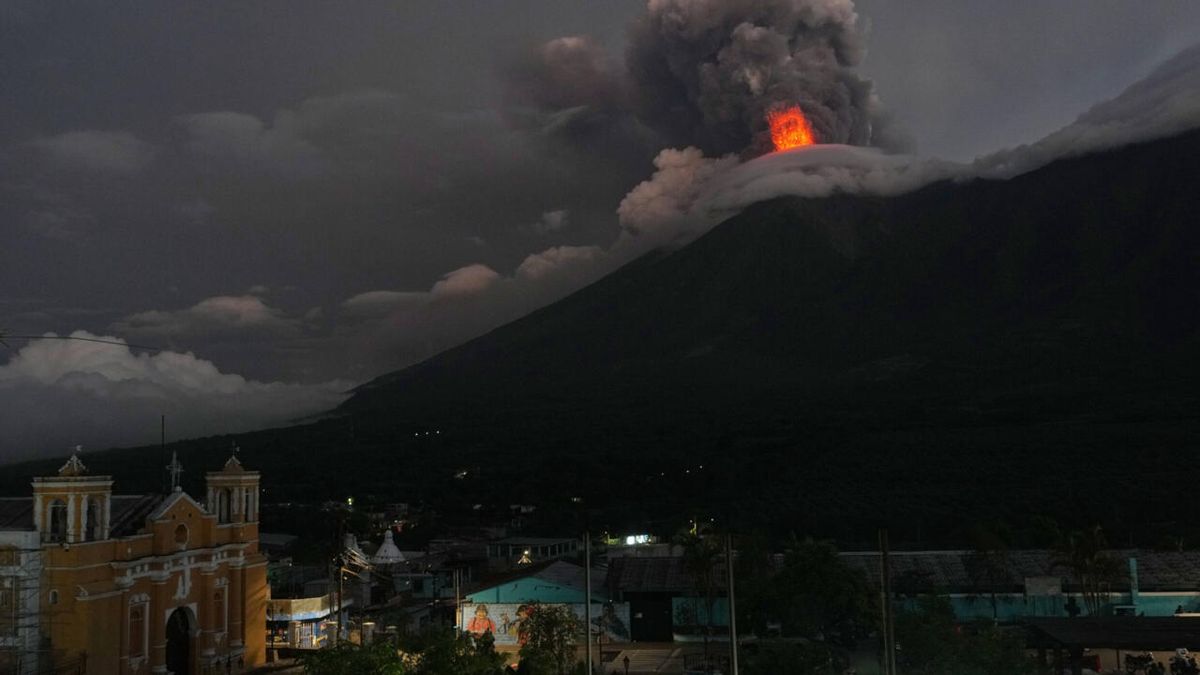
The Fuego volcano in Guatemala has officially stopped erupting after 50 hours of intense activity, prompting the return of over 1,700 evacuees to their homes. The eruption, which began on Monday, spewed lava and ash into the air, forcing residents to flee the area. However, with the volcano's history of frequent eruptions, the threat of another disaster looms large.
Guatemala's location on the Pacific 'Ring of Fire' makes it prone to seismic and volcanic activity. The country's authorities have been forced to develop a robust emergency response system to deal with the frequent eruptions. The Institute of Volcanology and emergency services play a crucial role in monitoring the volcano's activity and evacuating residents when necessary. However, the repeated evacuations and eruptions have significant economic and social implications for the affected communities.
The people living in the shadow of Fuego bear the human cost of the volcano's activity. The eruptions have claimed hundreds of lives, including the 2018 disaster that killed 215 people and left many more missing. The repeated evacuations have also disrupted the lives of residents, forcing them to flee their homes and livelihoods. Local farmer Bernabe Marroquin's statement, 'We live alongside the volcano. We know when it gets angry and when it's calm,' highlights the sense of resignation and adaptation that has become a part of life for those living near Fuego.
The Guatemalan government and emergency services are downplaying the long-term risks associated with living near the Fuego volcano. While the authorities have developed a robust emergency response system, the repeated eruptions and evacuations have significant economic and social implications for the affected communities. The government's focus on short-term solutions, such as evacuations and emergency aid, may not be enough to address the underlying issues of poverty, lack of infrastructure, and limited economic opportunities that make residents vulnerable to the volcano's activity.
As the residents of Guatemala return to their homes, the focus should be on the long-term viability of living in the shadow of Fuego. The government and international organizations should work together to develop sustainable solutions to mitigate the risks associated with the volcano's activity. This could include investing in infrastructure, such as early warning systems and evacuation routes, as well as providing economic support to affected communities. The international community should also be aware of the potential for another eruption and be prepared to provide aid and assistance if necessary.
Editor's Note: The analysis is based on publicly available information and may not reflect the full complexity of the situation on the ground.
Source referenced: FRANCE24
This brief was synthesized by our Editorial Engine and reviewed by The Ground Narrative team.


