TRENDING

Monday, 5 October 2026
----------------------
24 Rabi' Al-Thani 1448 AH
The death toll from Israeli strikes on Lebanon has surpassed 3,000, highlighting the ongoing conflict between Israel and Hezbollah, with regional implications and future consequences.
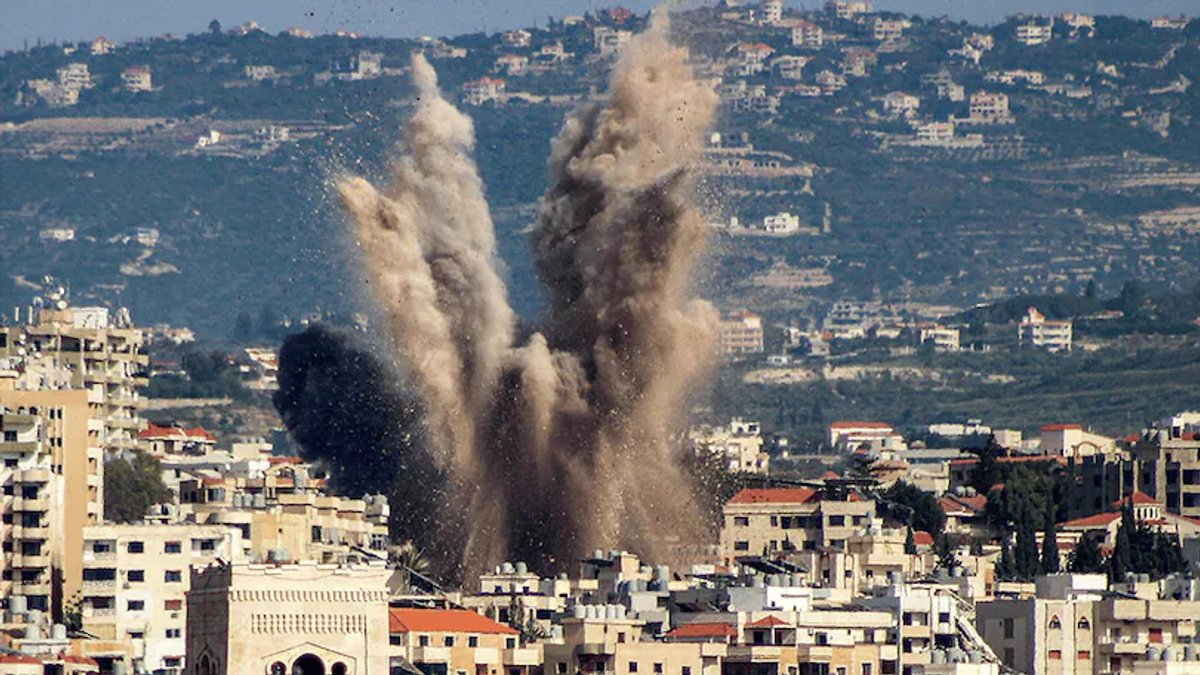
The recent surge in violence between Israel and Hezbollah in Lebanon has resulted in a staggering death toll of over 3,000, according to Lebanon's health ministry. This grim milestone underscores the ongoing conflict, which has been marked by repeated ceasefire violations and a fragile truce.
The conflict escalated at the beginning of March, when Hezbollah fired rockets at Israel in response to an Israeli strike that killed Iran's supreme leader. This marked a significant escalation of the conflict, drawing Lebanon into the war. The truce deal, brokered by the United States, allows Israel to carry out strikes aimed at countering Hezbollah's military activity.
Israel's military strategy appears to be focused on countering Hezbollah's military capabilities, while Hezbollah's actions suggest an attempt to assert its influence in the region. The conflict has significant implications for regional stability, with the involvement of Iran and the United States adding to the complexity.
The ongoing conflict has led to a humanitarian crisis in Lebanon, with thousands of civilians displaced and infrastructure damaged. The occupation of a strip of territory stretching roughly 10km from the Lebanese frontier by Israeli ground forces has also raised concerns about the potential for further escalation.
The continued violence and ceasefire violations raise concerns about the potential for a wider conflict in the region. The involvement of external actors, including the United States and Iran, adds to the complexity of the situation. The long-term consequences of the conflict remain uncertain, but it is clear that the situation in Lebanon will continue to have significant regional implications.
The conflict between Israel and Hezbollah in Lebanon is a complex and multifaceted issue, with significant regional implications. The ongoing violence and ceasefire violations raise concerns about the potential for a wider conflict in the region. The involvement of external actors adds to the complexity of the situation, making it challenging to predict the long-term consequences of the conflict.
The death toll from Israeli strikes on Lebanon has surpassed 3,000, highlighting the ongoing conflict between Israel and Hezbollah. The conflict has significant regional implications, with the involvement of external actors adding to the complexity of the situation. The long-term consequences of the conflict remain uncertain, but it is clear that the situation in Lebanon will continue to have significant regional implications.
Editor's Note: The analysis is based on publicly available information and may not reflect the full complexity of the situation.
Source referenced: BBC
This brief was synthesized by our Editorial Engine and reviewed by The Ground Narrative team.


