TRENDING

Monday, 5 October 2026
----------------------
24 Rabi' Al-Thani 1448 AH
South Korea's President Lee Jae-myung has proposed talks with North Korea to formally end the Korean War, a conflict that has technically been ongoing for over 70 years. The move comes as North Korea deepens ties with Russia and asserts its status as a nuclear state.
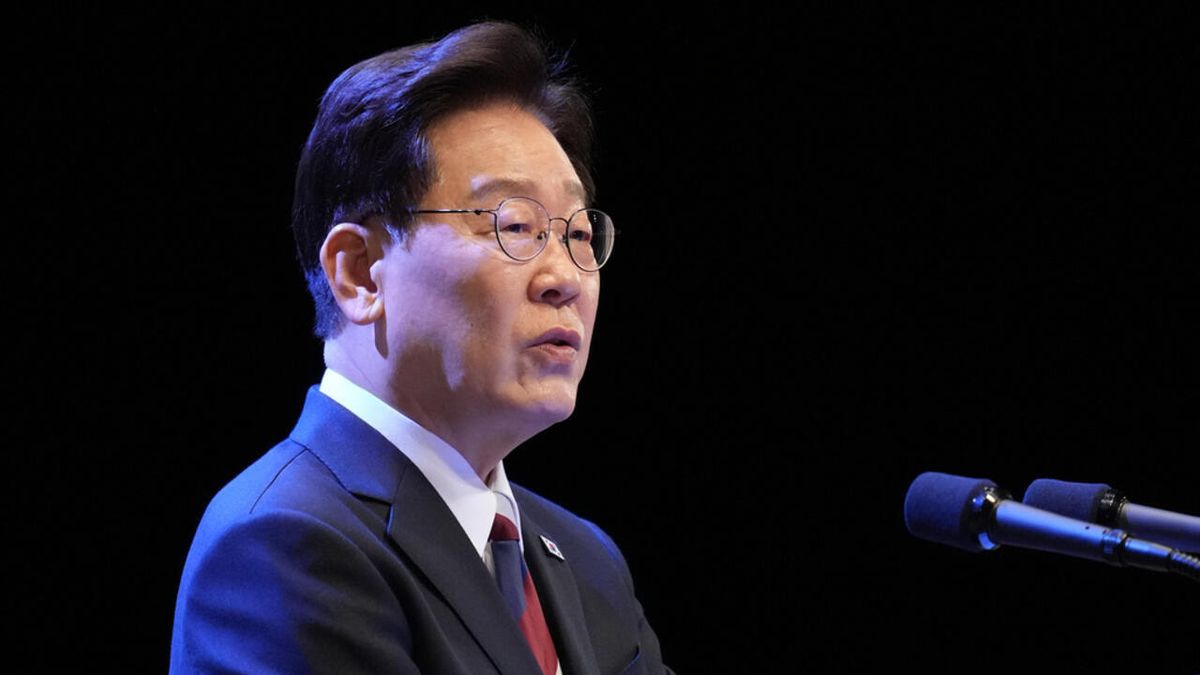
The Korean War, sparked by a North Korean attack in 1950, ended with an armistice rather than a peace treaty, leaving the two Koreas technically at war. Seventy years on, the conflict remains a major point of contention in the region. South Korean President Lee Jae-myung's proposal for talks with North Korea to formally end the war marks a significant shift in approach, particularly given his predecessor's more hawkish stance.
The proposal is not just a gesture of goodwill; it is also a calculated move to address the growing nuclear capabilities of North Korea. By engaging in dialogue, South Korea hopes to discuss effective measures to halt the advancement of North Korea's nuclear program. However, North Korea's deepening ties with Russia, including the supply of troops and munitions for Russia's war in Ukraine, complicates the picture. Moscow's support for Pyongyang, including financial, food, energy, and military technology aid, has emboldened North Korea's stance.
The people of the Korean Peninsula, particularly those in the Demilitarized Zone (DMZ) and in North Korea, bear the brunt of the ongoing conflict. The lack of a peace treaty has meant that families remain separated, and the threat of war hangs over the region. The human cost of the conflict is often overlooked in geopolitical discussions, but it is a critical aspect of any potential resolution. The proposal by President Lee Jae-myung offers a glimmer of hope for those affected by the war, but it is uncertain whether North Korea will respond positively.
What is being downplayed in the current narrative is the role of the United States in the conflict. As South Korea's key security ally, the US has a significant presence in the region, with approximately 28,500 troops stationed in South Korea. The upcoming joint military exercises between the US and South Korea are likely to escalate tensions with North Korea, which has denounced the drills as a threat to its security. The complex web of alliances and interests in the region makes a peaceful resolution challenging, and the US's role in this dynamic is often underemphasized.
As the situation unfolds, several key developments will be crucial to watch. First, North Korea's response to President Lee's proposal will indicate whether there is a willingness to engage in dialogue. Second, the outcome of the US-South Korea joint military exercises will either ease or heighten tensions in the region. Finally, the visit of North Korean leader Kim Jong-un to Russia later this year could lead to further discussions on weapons supplies and military cooperation, potentially altering the balance of power in the region. These factors will collectively determine the trajectory of the conflict and the prospects for a lasting peace on the Korean Peninsula.
Editor's Note: The analysis is based on current events and may be subject to change as the situation develops.
Source referenced: FRANCE24
This brief was synthesized by our Editorial Engine and reviewed by The Ground Narrative team.


