TRENDING

Saturday, 3 October 2026
----------------------
22 Rabi' Al-Thani 1448 AH
Violence in Pakistan-administered Kashmir has exposed the country's poor governance and deepening social divisions. As protests spread, Pakistan's national leadership faces a critical test of its ability to respond to the crisis without further inflaming tensions. The situation has significant implications for the region's stability and Pakistan's relations with its neighbors.
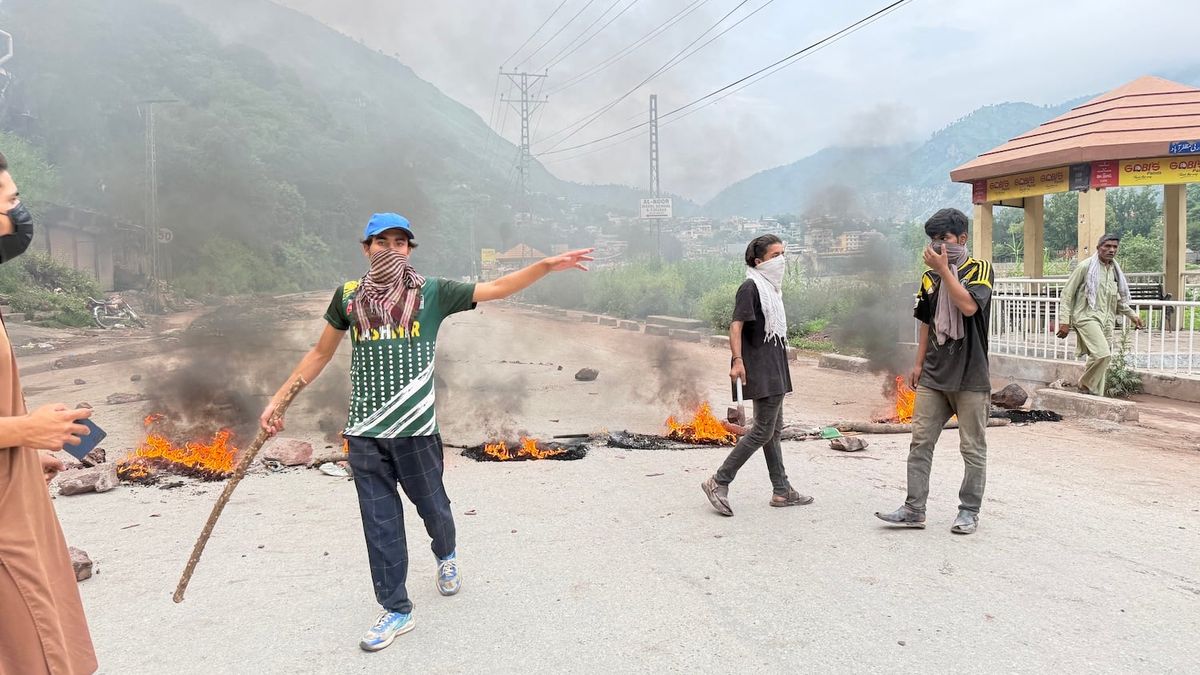
In recent weeks, Pakistan-administered Kashmir has been gripped by violent protests, resulting in the deaths of at least 40 people. The unrest began as a response to poor governance, with protesters demanding better healthcare, cheaper electricity, and an end to a constitutional clause that reserves seats in the legislature for refugees from India-administered Kashmir. The situation escalated when local authorities arrested leaders of the Joint Awami Action Committee (JAAC), a group that has been at the forefront of the protests.
The crisis in Kashmir is a symptom of a deeper power struggle in Pakistan. The country's national leadership is facing growing discontent over its handling of the economy, corruption, and human rights. The JAAC's demands have tapped into these broader frustrations, creating a sense of urgency among Pakistan's rulers to respond to the crisis. However, the government's heavy-handed tactics have only fueled further unrest, highlighting the need for a more nuanced approach to addressing the grievances of the Kashmiri people.
The people of Kashmir are bearing the brunt of the violence, with families losing loved ones and livelihoods being destroyed. The internet shutdown has made it difficult for people to access information and communicate with the outside world, exacerbating the sense of isolation and desperation. The protests have also highlighted the plight of refugees from India-administered Kashmir, who are caught in the middle of the conflict and struggling to survive.
What is being downplayed by the Pakistani government is the extent to which the crisis in Kashmir is a reflection of its own failures. The government's insistence that the JAAC is a terrorist group has been widely disputed, and the use of force against protesters has only served to radicalize more people. The international community has been slow to respond to the crisis, and the lack of attention has emboldened the Pakistani government to continue its heavy-handed tactics.
As the situation in Kashmir continues to unfold, several key developments will be worth watching. The Pakistani government's ability to respond to the crisis without further inflaming tensions will be critical, as will the international community's response to the situation. The JAAC's demands for better governance and an end to the constitutional clause reserving seats for refugees will be a key test of the government's willingness to listen to the grievances of the Kashmiri people. Ultimately, the outcome of the crisis will have significant implications for the stability of the region and Pakistan's relations with its neighbors.
Editor's Note: The situation in Kashmir is highly fluid, and the analysis is based on the latest available information. However, the complexity of the issue and the lack of transparency from the Pakistani government may affect the accuracy of the analysis.
Source referenced: FOREIGNPOLICY
This brief was synthesized by our Editorial Engine and reviewed by The Ground Narrative team.


