TRENDING

Tuesday, 6 October 2026
----------------------
25 Rabi' Al-Thani 1448 AH
The Sudanese Armed Forces announced the seizure of al‑Mazroub, the RSF’s largest foothold in North Kordofan. The gain reshapes supply lines, but the battle deepens the suffering of civilians caught between rival militias.
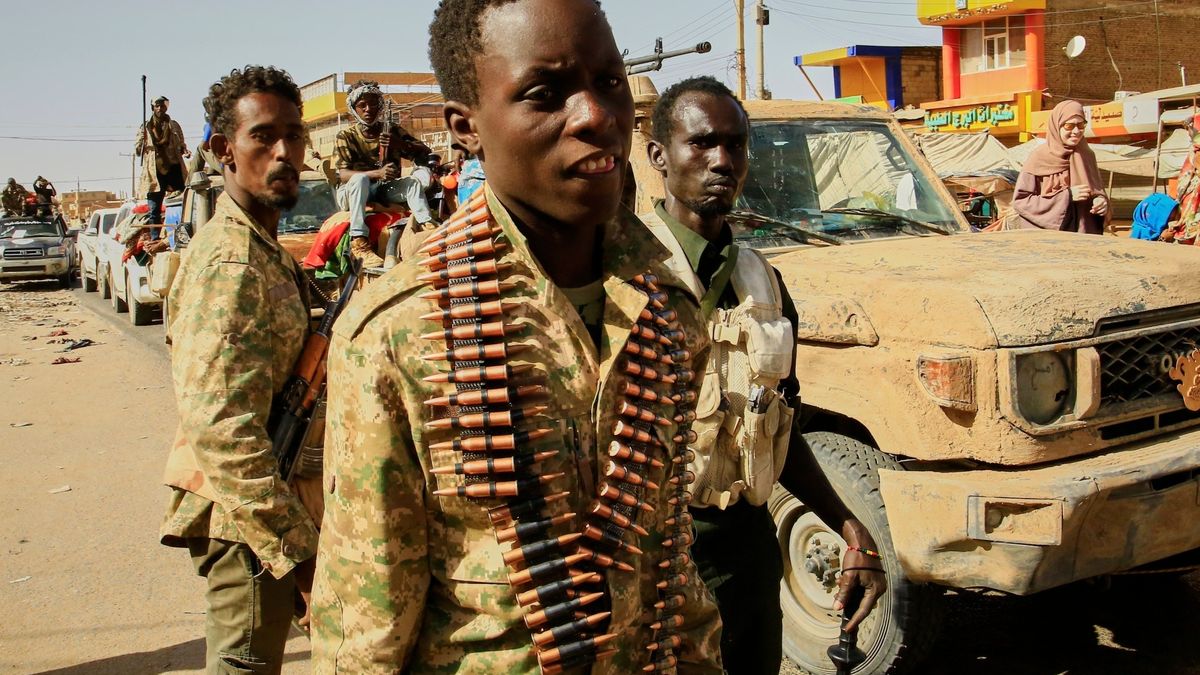
The Sudanese Armed Forces (SAF) declared on 2 October 2026 that they had taken control of al‑Mazroub, a town that had served as the Rapid Support Forces (RSF) main stronghold in North Kordofan. The announcement came after days of intense fighting that left dozens of combatants dead on both sides and resulted in the loss of several armored vehicles. SAF Special Forces spokesman Mohammed Deidan framed the victory as a step toward cutting the RSF’s supply routes that run through the corridor linking North and West Kordofan.
Kordofan sits at the geographic crossroads of Sudan’s east‑west axis. Control of al‑Mazroub gives the SAF a foothold on the western edge of its northern zone, allowing it to threaten the RSF’s logistical arteries that move weapons, food, and recruits from Darfur into the heart of the country. By seizing the town, the army hopes to force the RSF into a defensive posture, stretching its already thin supply chains.
The RSF’s partnership with the Sudan People’s Liberation Movement‑North (SPLM‑N) adds a layer of ethnic politics to the battlefield. SPLM‑N fighters, largely from the Nuba and other marginalized groups, have aligned with the RSF to counter the SAF’s dominance in central Sudan. The capture of al‑Mazroub threatens this alliance by cutting off a key staging ground for joint operations, potentially prompting the SPLM‑N to reconsider its strategic options.
Washington’s recent diplomatic overtures—aimed at brokering a ceasefire—have stalled, with both sides accusing the other of bad faith. The SAF’s territorial gain provides the Khartoum‑based government a propaganda boost, allowing it to claim progress without conceding to external pressure. Meanwhile, the RSF can point to the continued intensity of fighting as evidence that any negotiated settlement must recognize its de‑facto control over large swaths of western Sudan.
Kordofan is rich in agricultural land and sits atop untapped mineral deposits, including gold and uranium. Control of al‑Mazroub opens the SAF to potential revenue streams from mining concessions and tax collection, resources that have been siphoned off by warlords and militias for years. The RSF, losing a revenue hub, may resort to harsher taxation of civilians or increased looting to fund its war effort.
The battle displaced an estimated 30,000 residents of al‑Mazroub and surrounding villages. Many fled on foot across the arid plains toward the relative safety of central Khartoum or the refugee camps in Chad. The sudden influx strains already overburdened humanitarian corridors, leading to shortages of food, clean water, and medical supplies.
While official SAF statements focus on RSF losses, independent monitors report civilian casualties from artillery shells that landed in residential neighborhoods. Hospitals in the region, already crippled by years of conflict, are overwhelmed with trauma cases, and many injured lack access to basic emergency care.
Al‑Mazroub sits on a key grain‑transport route. With the town under SAF control, checkpoints have been erected, and movement of agricultural produce has slowed dramatically. Smallholder farmers, who rely on daily market sales, now face loss of income, pushing them toward food insecurity.
Official RSF communications have been muted, offering no counter‑narrative to the SAF’s claim. This silence masks internal fractures: reports suggest that some RSF commanders are questioning the viability of holding distant outposts like al‑Mazroub, while others fear that a retreat could embolden rival ethnic militias.
UN agencies and NGOs have issued brief statements about “ongoing needs” but have not highlighted the sudden surge of displaced persons linked to the al‑Mazroub offensive. By keeping the focus on broader “Sudan crisis” metrics, they risk under‑funding targeted aid that could prevent a secondary humanitarian disaster in Kordofan.
Both SAF and RSF talk about “liberating” territories, yet they rarely discuss the lucrative mining rights that lie beneath Kordofan’s soil. Analysts suspect that the SAF’s push for al‑Mazroub is as much about securing future mineral revenues as it is about military advantage, a factor omitted from public statements.
The next weeks will reveal whether the SAF can consolidate its hold on al‑Mazroub or whether the RSF will launch a counter‑offensive to reopen its supply corridor. Key indicators include: movement of heavy weaponry into West Kordofan, shifts in SPLM‑N allegiance, and any change in the flow of humanitarian aid to displaced populations. Observers should also monitor diplomatic chatter from Washington and Doha, as both capitals may recalibrate their mediation strategies in response to the new frontline.
Al‑Mazroub sits on the corridor linking North and West Kordofan, allowing the SAF to cut RSF supply lines and gain access to agricultural and mineral resources that fund the war.
Thousands have been displaced, civilian casualties have risen from artillery strikes, and disruptions to grain transport have pushed many farmers into food insecurity.
The SPLM‑N, allied with the RSF, provides ethnic militia support and shares control of western territories; its loyalty may shift if the RSF loses key strongholds like al‑Mazroub.
Source referenced: ALJAZEERA
This brief was synthesized by our Editorial Engine and reviewed by The Ground Narrative team.