TRENDING

Tuesday, 6 October 2026
----------------------
25 Rabi' Al-Thani 1448 AH
An Arab party chief pulled out of Israel’s upcoming vote, a move that reshapes coalition math and deepens community anxieties. The withdrawal reveals hidden power plays and a human cost that rarely makes headlines.
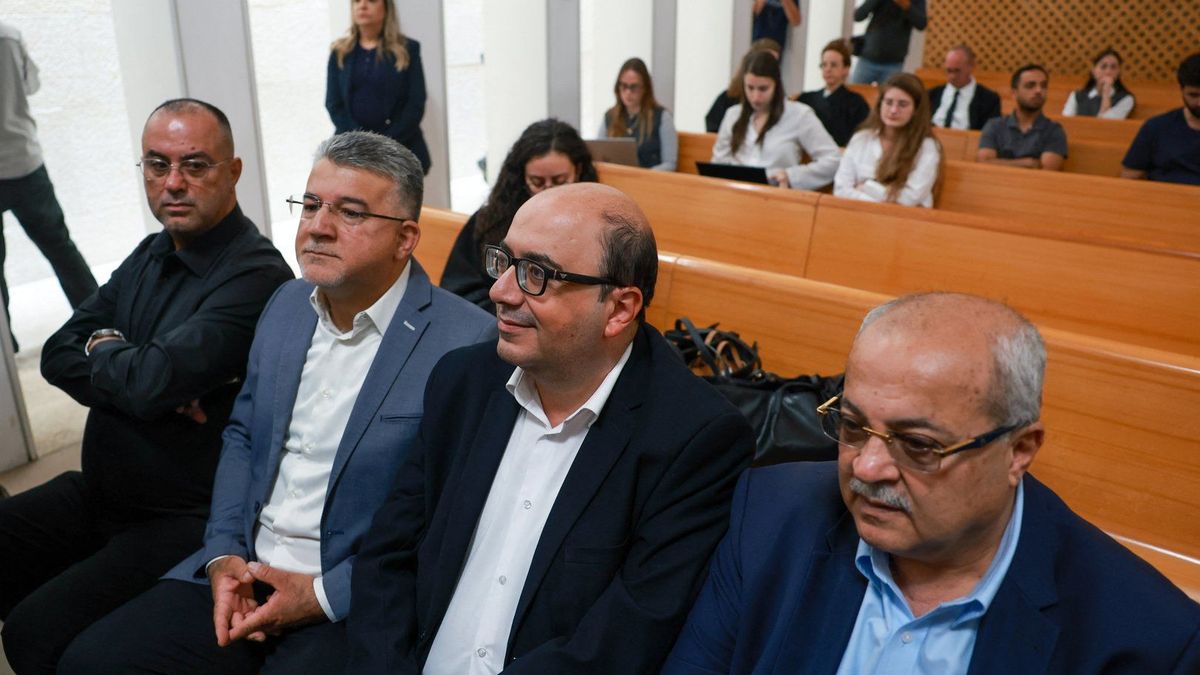
On 2 October 2026, the head of Israel’s main Arab‑Israeli political formation announced via social media that he would not stand in the September 2026 national election. The decision came just weeks before the deadline for party lists, leaving the Arab party without its most recognizable figure and forcing a scramble to re‑file candidates. The move sparked immediate speculation across Israeli and regional outlets, but official statements framed it as a personal choice, citing “family considerations” and “the need for internal reflection.”
The withdrawal cannot be read as a simple personal decision; it sits at the intersection of several structural forces.
- Coalition calculus – Israel’s parliamentary system forces parties to negotiate post‑election alliances to form a government. The Arab bloc, while never part of a governing coalition, holds the balance of power in tightly contested Knesset configurations. By stepping aside, the leader reduces the bloc’s bargaining chips, potentially easing the path for right‑leaning parties to secure a slim majority without needing to accommodate Arab demands on budget allocations or minority rights.
- Domestic political survival – The ruling Likud party, led by Benjamin Netanyahu, has been courting centrist Arab voters through targeted social programs and security promises. A weakened Arab list diminishes the risk of a unified Arab opposition that could siphon votes from centrist partners, thereby protecting the incumbent’s electoral base.
- Regional diplomatic pressure – Jordan and Egypt, both signatories of the 1994 peace treaty, have quietly urged Israeli Arab parties to avoid destabilizing rhetoric that could inflame Palestinian protests. The leader’s exit aligns with a broader regional push for a more muted Arab presence in Israeli parliamentary debates, a subtle nod to neighboring governments seeking stability.
- Party internal dynamics – Within the Arab party, factions have long debated whether to adopt a more confrontational stance against settlement expansion or to pursue incremental policy gains. The departing leader was seen as a hard‑liner; his exit opens space for a younger, possibly more moderate cohort to steer the party toward pragmatic coalition talks.
- Security doctrine – The Israel Defense Forces (IDF) have increased patrols in mixed Arab‑Jewish neighborhoods ahead of the election, citing “potential unrest.” A less vocal Arab leadership reduces the perceived threat of large‑scale protests, allowing the security establishment to allocate resources elsewhere, such as the southern front with Hamas.
These incentives converge to create a scenario where the leader’s withdrawal serves multiple power brokers: the ruling coalition, regional allies, and internal party reformers, all of whom benefit from a less confrontational Arab bloc.
The political maneuvering reverberates far beyond the Knesset floor.
For the roughly 1.9 million Arab citizens of Israel, the leader’s departure translates into uncertainty about representation. Many rely on the party to advocate for equitable funding for Arab schools, water infrastructure, and employment programs. Without a recognizable figurehead, voter turnout among Arab communities historically drops, weakening their collective voice in policy debates.
The Arab party has traditionally acted as a conduit for Palestinian concerns within Israeli politics, lobbying for humanitarian aid and opposing settlement expansion. Its weakened stance may embolden settlement builders, accelerating land appropriation and heightening friction at checkpoints, directly affecting daily commutes, trade, and medical access for Palestinians.
Local businesses in mixed cities such as Haifa, Nazareth, and Jaffa depend on political stability to attract investment. Election‑related uncertainty can deter new projects, stall construction permits, and depress tourism, leading to job losses in sectors already strained by broader economic slowdown.
Young Arab Israelis, who have increasingly turned to street activism and digital campaigns, now face a leadership vacuum. The absence of a senior figure willing to negotiate may push some toward more radical forms of protest, increasing the risk of clashes with police and potential arrests.
Official narratives emphasize personal reasons, but deeper layers remain concealed.
Mainstream Israeli outlets have largely echoed the leader’s “family” explanation, while regional Arabic‑language channels highlight intra‑party disputes. This divergent framing masks the coordinated messaging effort by Likud operatives who, through discreet back‑channel contacts, encouraged the withdrawal to smooth coalition talks.
Investigative reports from local watchdogs indicate that the Arab party received a modest increase in state funding for community projects earlier this year, contingent on maintaining a “non‑obstructive” stance in the Knesset. The leader’s exit may be tied to a tacit agreement to keep the party’s parliamentary activity within a pre‑approved script, ensuring continued budget allocations.
U.S. officials, particularly from the Bureau of Near Eastern Affairs, have been in contact with senior Arab party members, urging a “responsible” approach to the election to avoid destabilizing the already volatile Israeli‑Palestinian arena. Such diplomatic nudges, while not publicly disclosed, shape internal calculations.
Within the party, several outspoken members who advocated for a stronger anti‑settlement platform were reportedly sidelined or faced disciplinary action in the weeks leading up to the withdrawal. Their marginalization points to a broader effort to align the party’s agenda with the expectations of the ruling coalition and external allies.
The fallout from this withdrawal will unfold over the coming months.
- Candidate reshuffling – Watch how quickly the Arab party nominates a replacement and whether the new figure signals a shift toward moderation or confrontation.
- Coalition negotiations – Monitor post‑election talks for any concessions offered to the Arab bloc, especially regarding budget allocations for Arab municipalities.
- Grassroots mobilization – Keep an eye on protest activity in mixed cities; a surge could indicate growing frustration among Arab Israelis and Palestinians.
- Regional diplomatic cues – Statements from Jordan, Egypt, and the U.S. in the weeks after the election will reveal whether external powers are leveraging the party’s weakened state to push broader peace‑process agendas.
- Security deployments – Any increase in IDF presence in Arab neighborhoods ahead of the vote may signal pre‑emptive measures to curb potential unrest, a bellwether for the state’s tolerance of dissent.
By tracking these indicators, readers can gauge whether the leader’s exit is a fleeting tactical move or the opening of a longer‑term realignment in Israel’s delicate power balance.
Officially he cited personal and family reasons, but analysts point to coalition pressure, internal party disputes, and external diplomatic nudges that made his candidacy less viable.
It could lower voter turnout and weaken advocacy for community services, as the party loses a recognizable figure to rally support and negotiate budget allocations.
A weaker Arab bloc may simplify coalition building for right‑leaning parties, reducing the need to accommodate minority demands and potentially shifting policy priorities toward settlement expansion.
Editor's Note: Analysis based on publicly available reports and expert commentary; some behind‑the‑scenes negotiations remain opaque.
Source referenced: ALJAZEERA
This brief was synthesized by our Editorial Engine and reviewed by The Ground Narrative team.