TRENDING

Sunday, 27 September 2026
----------------------
16 Rabi' Al-Thani 1448 AH
New evidence reveals the Imperial Japanese Army's involvement in human experimentation during its invasion of China, highlighting the need for Japan to confront its wartime past.
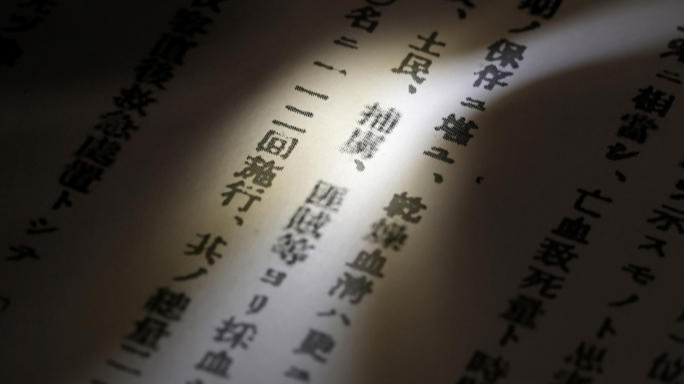
The recent revelation by Kyodo News that the Imperial Japanese Army collected blood from prisoners of war (POWs) and local Chinese residents for "research on battlefield blood transfusion techniques" during its invasion of China in 1937 is a stark reminder of the atrocities committed by Japan during World War II. The report, which was presented at a 1940 medical conference and published in the journal of the Japanese Army Medical Corps, sheds light on the Imperial Army's involvement in human experimentation, a dark chapter in Japan's history that has been largely ignored or downplayed.
The Imperial Japanese Army's invasion of China in 1937 marked the beginning of a brutal and devastating conflict that would last for over a decade. The Japanese military's actions during this period were characterized by widespread atrocities, including the use of forced labor, mass killings, and human experimentation. The Imperial Army's medical corps played a significant role in these atrocities, conducting experiments on POWs and local residents without their consent.
The Imperial Army's involvement in human experimentation was likely driven by a desire to develop new medical techniques and technologies that could be used to enhance the military's capabilities. The report suggests that the Imperial Army was interested in developing a serum that could be used to treat blood loss, which was a major concern for soldiers during battle. However, the use of human subjects for experimentation was a clear violation of medical ethics and international law.
The revelation of the Imperial Army's human experimentation in China has significant regional implications. It highlights the need for Japan to confront its wartime past and take responsibility for the atrocities committed by its military. This is particularly important in the context of Japan's relations with China and other countries in the region. The Chinese government has long called on Japan to acknowledge and apologize for its wartime atrocities, and the recent revelation is likely to fuel tensions between the two countries.
The consequences of the Imperial Army's human experimentation in China are still being felt today. Many survivors of the experiments and their families continue to suffer from physical and emotional trauma, and the revelation of the atrocities is likely to reopen old wounds. The Japanese government's response to the revelation will be closely watched, and its failure to take adequate action may have significant consequences for Japan's relations with China and other countries in the region.
The Imperial Japanese Army's involvement in human experimentation during its invasion of China is a stark reminder of the atrocities committed by Japan during World War II. The revelation of the atrocities highlights the need for Japan to confront its wartime past and take responsibility for the actions of its military. This is a critical step towards healing the wounds of the past and building a more positive future for Japan and its relations with other countries in the region.