TRENDING

Monday, 5 October 2026
----------------------
24 Rabi' Al-Thani 1448 AH
Iran is set to join the BRICS New Development Bank, signaling a strategic move to bypass Western sanctions and the dollar-dominated financial system. This development highlights the growing push for alternative global financial architectures.
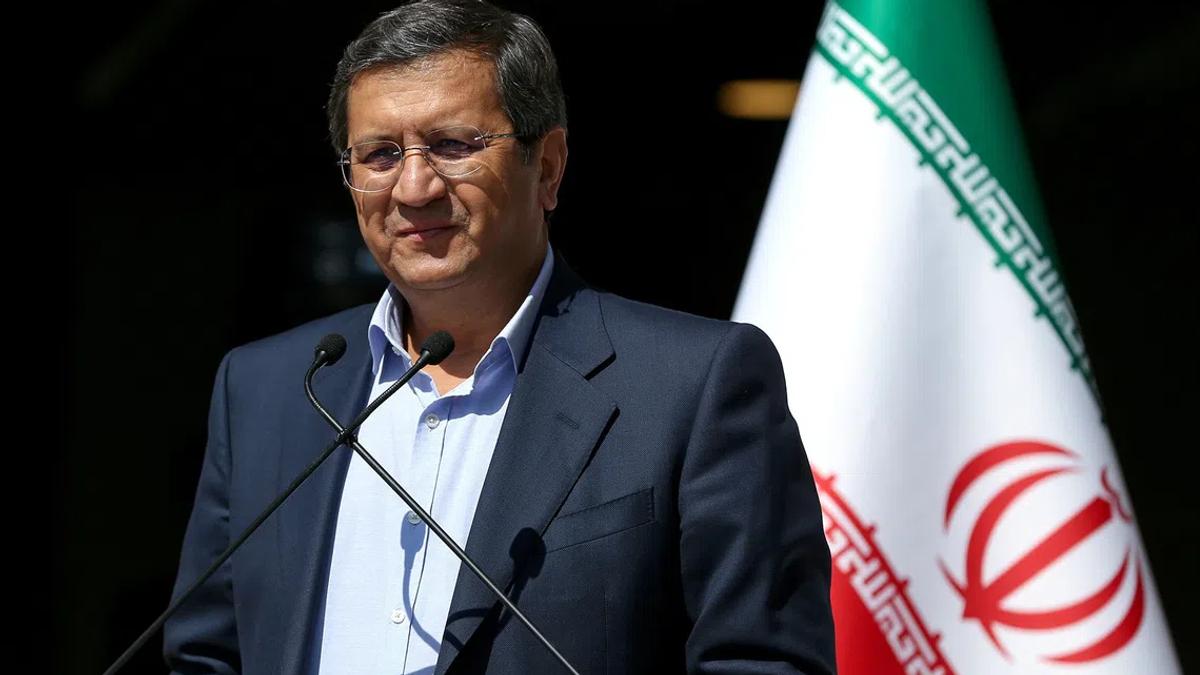
Iran's central bank governor, Abdolnaser Hemmati, recently announced that the nation would soon become a member of the New Development Bank (NDB), the multilateral lender established by the BRICS group. This move follows Iran's official admission into BRICS in 2024, intensifying its efforts to forge economic ties outside the traditional Western financial sphere and mitigate the impact of ongoing U.S. and international sanctions.
This development is a clear manifestation of power dynamics in a fracturing global financial system. For Iran, NDB membership offers a crucial lifeline: access to financing for infrastructure and development projects, and more critically, a pathway to conduct trade and financial transactions in national currencies, reducing its reliance on the U.S. dollar. This is a direct response to decades of sanctions that have isolated its economy and limited its ability to engage with global markets. For the BRICS nations and the NDB, welcoming Iran serves multiple purposes. It bolsters the NDB's ambition to be a credible alternative to institutions like the World Bank and IMF, promoting a multipolar financial order. It also strengthens the collective bargaining power of the BRICS bloc, demonstrating its capacity to offer financial sovereignty to nations seeking to reduce their vulnerability to Western economic pressure. The move underscores a broader global trend where nations are actively seeking to de-dollarize and diversify their financial relationships, challenging the long-standing hegemony of the U.S. dollar.
While governments and financial institutions negotiate these high-level agreements, it is often ordinary citizens who bear the direct consequences. For Iranians, the promise of NDB membership offers a glimmer of hope for economic relief. Years of sanctions have led to currency devaluation, inflation, and shortages of essential goods, deeply impacting daily life. Access to NDB financing and non-dollar trade channels *could* potentially ease some of these pressures by facilitating imports and exports, improving infrastructure, and creating jobs. However, the move also entrenches Iran deeper into a financial system that, while offering an alternative, might lack the transparency and established governance mechanisms of Western institutions. This could introduce new forms of economic risk or less accountability, potentially affecting the long-term stability and fairness of financial flows that ultimately touch the lives of everyday people. Globally, the fragmentation of the financial system, while offering alternatives, could also lead to increased complexity and potential inefficiencies in international trade, which could eventually translate to higher costs or reduced choices for consumers worldwide.
What official statements often downplay is the sheer scale and practical difficulty of truly de-dollarizing global finance. While BRICS nations advocate for national currency trade, the U.S. dollar remains the dominant currency for international trade, reserves, and debt. The NDB, despite its growth, is still a relatively small player compared to Western-led financial institutions. The effectiveness of Iran's membership in alleviating its economic woes will depend heavily on the NDB's capacity to finance significant projects and the willingness of BRICS members to consistently conduct large-scale trade in non-dollar currencies. Furthermore, the geopolitical implications are significant: by embracing sanctioned nations, BRICS and the NDB risk inviting secondary sanctions or increased scrutiny from Western powers, potentially complicating their own economic relationships. The long-term cost for the U.S. of over-relying on sanctions as a foreign policy tool is also often omitted from public discourse – it inadvertently accelerates the search for alternatives, slowly eroding the very dollar dominance it seeks to protect.
Readers should closely watch the actual projects and trade volumes that materialize from Iran's NDB membership. Will this translate into tangible economic improvements for the Iranian population, or will it remain largely symbolic? Observe how other BRICS members and the NDB navigate potential pressures from the U.S. regarding their dealings with sanctioned entities. The trajectory of de-dollarization efforts within BRICS, particularly the adoption of national currencies for significant trade, will be a key indicator of the NDB's long-term impact. Finally, monitor which other nations, particularly those facing Western sanctions or seeking greater financial autonomy, might follow Iran's path to join the NDB, signaling a further shift in the global financial landscape.
Source referenced: STRAITSTIMES
This brief was synthesized by our Editorial Engine and reviewed by The Ground Narrative team.


