TRENDING

Monday, 5 October 2026
----------------------
24 Rabi' Al-Thani 1448 AH
Israeli Prime Minister Benjamin Netanyahu's rejection of a US-backed Gaza peace plan reveals a complex interplay of domestic politics and strategic maneuvering. This move, while securing his political base, inadvertently offers a diplomatic advantage to Hamas and prolongs the human cost of an unresolved conflict.
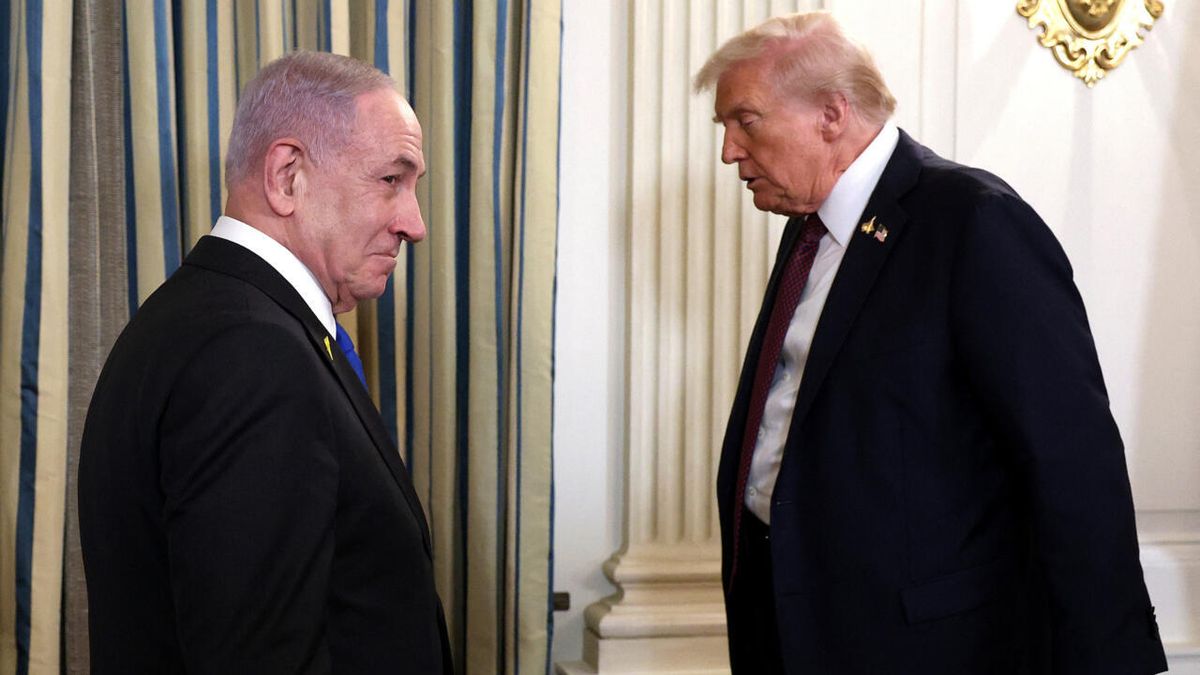
Israeli Prime Minister Benjamin Netanyahu recently rejected a US-backed peace proposal for Gaza, a plan that hinged on Hamas gradually disarming in exchange for an Israeli withdrawal from the territory. Notably, Hamas had indicated its conditional acceptance of the disarmament clause, a move that surprised many observers. Netanyahu, however, unequivocally dismissed the proposal, citing concerns over the definition and implementation of 'genuine disarmament' and the security implications of any withdrawal.
Netanyahu's rejection is less about the specifics of the plan and more about the intricate mechanics of his political survival. Facing ongoing corruption charges and an impending legislative election, the Prime Minister's primary incentive is to consolidate his right-wing base and maintain the fragile coalition that keeps him in power. Far-right allies, some openly advocating for the 'full occupation' of Gaza, exert immense pressure against any perceived compromise with Hamas or withdrawal from the territory, where the Israeli military currently controls nearly 70% of the land. For Netanyahu, appearing tough on security and unyielding to external pressure is a critical electoral strategy, even if it means defying a key ally like the United States. This domestic calculus outweighs the diplomatic benefits of a US-backed deal, revealing how internal political vulnerabilities can dictate international policy, often at the expense of broader stability.
The immediate human cost of this diplomatic impasse falls squarely on the shoulders of the ordinary people in Gaza. With no clear path to de-escalation or a functioning governance structure, they remain trapped in a cycle of occupation, blockade, and uncertainty. The proposed Palestinian technocratic body, the National Committee for the Administration of Gaza (NCAG), designed to manage the enclave during a transitional phase, remains blocked in Egypt due to Israel's refusal to allow its entry. This means a continued absence of effective civilian administration, exacerbating humanitarian challenges and denying residents a say in their future. For Israeli citizens, the rejection means a prolonged state of insecurity and military engagement, with no immediate prospect of a lasting resolution to the conflict that has defined generations.
What is often downplayed or omitted in official statements is the fundamental disagreement over what 'disarmament' truly means. For Israel, 'genuine disarmament' implies the complete dismantling of Hamas's military and political infrastructure – a demand for its effective annihilation as a political force. For Hamas, accepting 'disarmament' is a tactical concession to gain diplomatic legitimacy, but it cannot agree to its own political suicide. This definitional chasm is the true sticking point, far beyond the technicalities of weapons storage. Furthermore, the US-backed plan, while framed as a peace initiative, appears to be more about managing a volatile situation for short-term political wins for the Trump administration, rather than a comprehensive, sustainable resolution that addresses the root causes of the conflict, such as occupation and Palestinian statehood. The 'grey zone' described by analysts – where Israel's 'no' isn't absolute and Hamas's 'yes' isn't firm – highlights a lack of genuine commitment from all powerful actors to a truly transformative peace, preferring instead to navigate a perpetual state of managed conflict.
Readers should closely watch the upcoming Israeli legislative elections in October. The outcome will be a critical determinant of Israel's future policy on Gaza and the potential for any withdrawal or diplomatic engagement. The evolving relationship between the US and Israel, particularly how much leverage (or lack thereof) the Trump administration chooses to exert, will also be crucial. On the Palestinian side, observe how Hamas capitalizes on its newfound diplomatic positioning; will it maintain its 'reasonable actor' facade, or will the continued stalemate push it towards other forms of resistance? Finally, the fate of the NCAG and the ongoing, unresolved debate over the precise meaning of 'disarmament' will continue to be the core indicators of whether any genuine progress towards a lasting resolution is truly possible.
Source referenced: FRANCE24
This brief was synthesized by our Editorial Engine and reviewed by The Ground Narrative team.


