TRENDING

Monday, 5 October 2026
----------------------
24 Rabi' Al-Thani 1448 AH
A record 128 local assemblies in Japan have urged Prime Minister Sanae Takaichi to uphold the country's non-nuclear principles, as the government considers revising its key security documents. The move has sparked widespread concern among Japanese citizens, who fear a shift away from the country's pacifist identity.
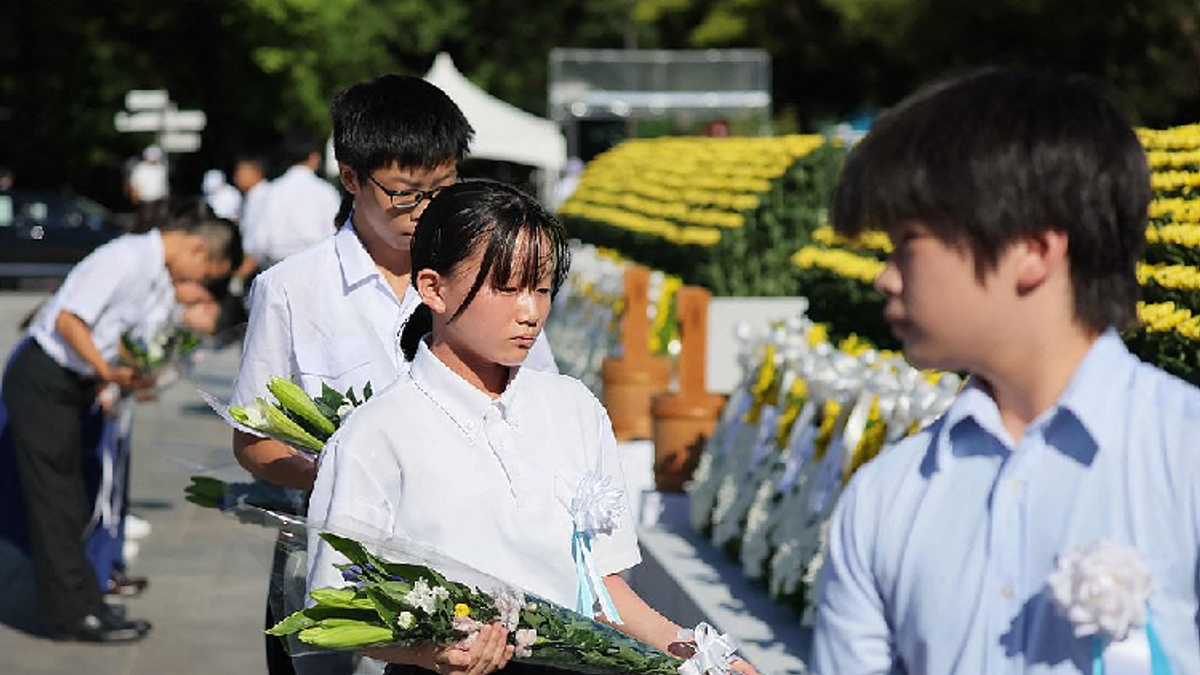
In a rare display of unity, 128 local assemblies from 36 prefectures across Japan have submitted written opinions to the Diet, Japan's parliament, urging the government to maintain the country's Three Non-Nuclear Principles. This comes as Prime Minister Sanae Takaichi's administration plans to revise Japan's key security documents by the end of the year, sparking concerns that the principles may be altered.
The Three Non-Nuclear Principles, which prohibit possessing, producing, or permitting the introduction of nuclear weapons into Japanese territory, have been a cornerstone of Japan's nuclear policy since 1971. However, the Takaichi government's stance on upholding these principles is unclear, and there are reports that the administration is considering revising the principle prohibiting the introduction of nuclear weapons into Japan. This has led to widespread concern among Japanese citizens, who see the principles as a key part of the country's pacifist identity.
The people of Hiroshima and Nagasaki, who have experienced the devastating effects of nuclear warfare firsthand, are particularly concerned about the potential revision of the Three Non-Nuclear Principles. These cities have been at the forefront of the movement to maintain the principles, with their prefectural assemblies and city assembly unanimously adopting statements urging the government to adhere to the principles. The potential shift away from the principles has sparked fears among Japanese citizens that their country may be moving away from its commitment to peace and disarmament.
What is being downplayed in the official statements is the significant opposition to the potential revision of the Three Non-Nuclear Principles from within Japan. The fact that a record number of local assemblies have come out in support of maintaining the principles suggests that there is a strong grassroots movement in Japan that is committed to upholding the country's pacifist identity. Additionally, the international implications of Japan's potential shift away from the principles are being underplayed, with potential consequences for regional stability and global non-proliferation efforts.
As the Takaichi government moves forward with its plans to revise Japan's key security documents, readers should watch for any signs of a shift away from the Three Non-Nuclear Principles. This could include changes to the language of the principles, or a weakening of the country's commitment to disarmament and non-proliferation. Additionally, readers should watch for any reaction from the international community, particularly from countries in the region that may be affected by Japan's nuclear policy. The outcome of this process will have significant implications for Japan's identity as a pacifist nation and its role in regional and global affairs.
Editor's Note: The analysis is based on publicly available information and may not reflect the full complexity of the situation.
Source referenced: CGTN
This brief was synthesized by our Editorial Engine and reviewed by The Ground Narrative team.


