TRENDING

Monday, 5 October 2026
----------------------
24 Rabi' Al-Thani 1448 AH
A landslide in central Japan has stranded hundreds, cutting off a popular mountain resort. This incident highlights the growing vulnerability of remote infrastructure and the human cost of extreme weather in a tectonically active, tourism-dependent nation.
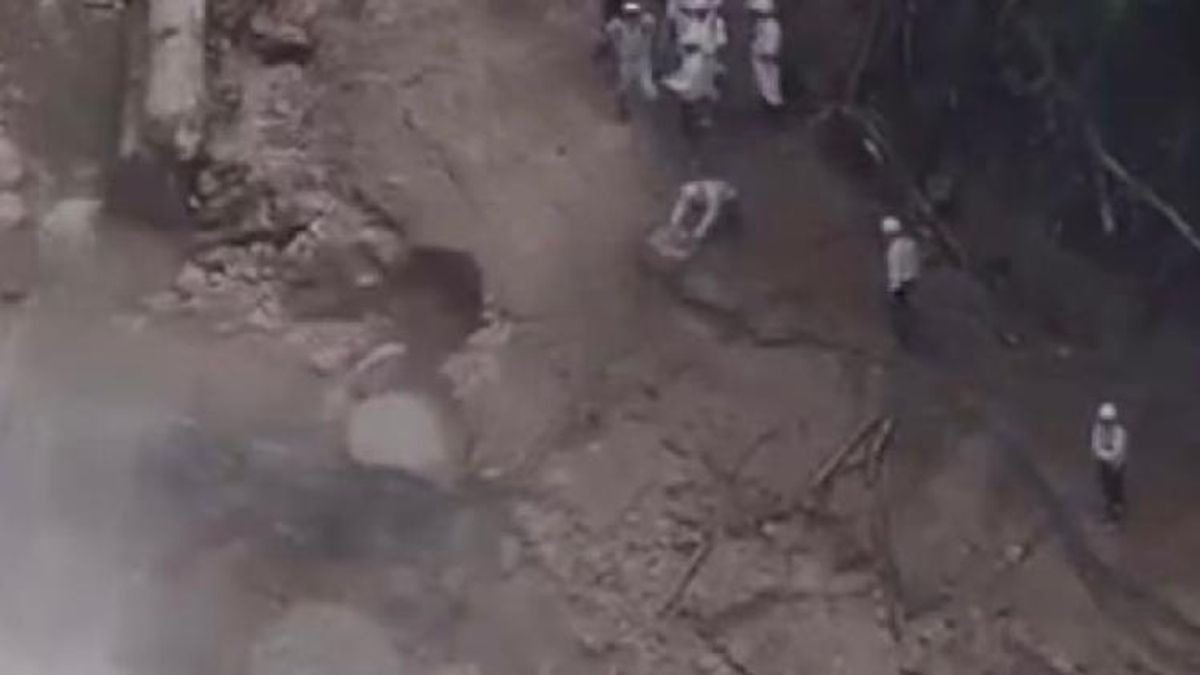
A landslide in central Japan's Nagano Prefecture on August 8, 2026, has left approximately 390 people stranded. The event occurred overnight, severing the only road leading to the Nakabusa Onsen hot spring mountain resort in Azumino City. Among those cut off are hotel guests and hikers, with local police confirming no injuries have been reported so far. Prefectural officials are on site assessing the situation, but the timeline for reopening the critical access road remains uncertain.
Japan's geography is a double-edged sword: stunning mountainous landscapes that draw tourists, yet inherently unstable due to its position on multiple tectonic plates and susceptibility to heavy rainfall. The power dynamics here revolve around the state's capacity to manage these natural forces against the economic imperative of developing and maintaining infrastructure, even in remote, high-risk areas. Local governments, often reliant on tourism revenue from such resorts, face the constant challenge of balancing accessibility with safety and environmental stability. The national government, in turn, allocates resources for disaster preparedness, early warning systems, and infrastructure resilience, but these are often reactive measures against increasingly unpredictable weather patterns. The 'only road' scenario is a stark reminder of how development in remote, scenic locations often prioritizes access over redundancy, creating single points of failure that can quickly isolate communities and visitors.
The immediate human cost falls on the 390 individuals now stranded. Their experience is one of uncertainty, disruption to travel plans, and potential psychological stress from being cut off. While no injuries are reported, the anxiety of being isolated, perhaps without full communication or clear information, is significant. Beyond the immediate stranded, local businesses in Azumino City and the broader Nagano region face substantial economic losses. Hot spring resorts, mountain huts, local shops, and tour operators depend heavily on the continuous flow of visitors. A single event like this can cripple a season, leading to lost wages for employees, reduced profits for owners, and a ripple effect through the local supply chain. The long-term impact on the region's reputation as a safe and accessible tourist destination could also be considerable, affecting livelihoods far beyond the immediate incident zone. These are the people whose economic stability is rarely considered in the grand plans for infrastructure or tourism development, yet they bear the direct consequences when nature asserts its power.
While official reports focus on the immediate rescue efforts and damage assessment, a critical underlying factor often goes unaddressed: climate change. Japan has experienced an increasing frequency and intensity of extreme weather events, particularly heavy rainfall, which is a primary trigger for landslides in its mountainous terrain. Governments and media reports often frame such incidents as isolated natural disasters, downplaying the systemic shift in climate patterns that exacerbates these risks. The vulnerability of infrastructure in remote, scenic areas is also frequently overlooked until a crisis hits. The promise of economic development through tourism often overshadows comprehensive, long-term assessments of geological stability and climate resilience. The 'untold story' is how these seemingly isolated events are part of a larger, global narrative of environmental instability, and how the pursuit of tourism revenue in vulnerable landscapes is creating escalating risks that will demand ever-greater public resources for mitigation and recovery.
Moving forward, several key areas warrant close attention. Firstly, the efficiency and speed of the rescue and recovery operations will be a crucial test of Japan's disaster response capabilities, particularly in challenging terrain. Secondly, watch for the government's rhetoric and actions regarding infrastructure rebuilding. Will it be a simple restoration, or will there be a push for more resilient, redundant access routes and enhanced geological surveys? Thirdly, observe any public or political discourse connecting this event to broader climate change mitigation and adaptation strategies. A failure to link such incidents to the larger climate crisis would indicate a continued downplaying of the systemic risks. Finally, the long-term impact on regional tourism – whether visitors shy away from remote mountain resorts or if the industry adapts with new safety protocols – will reveal how deeply such events reshape economic landscapes in vulnerable areas.
Source referenced: CGTN
This brief was synthesized by our Editorial Engine and reviewed by The Ground Narrative team.


