TRENDING

Friday, 16 October 2026
----------------------
5 Jumada Al-Awwal 1448 AH
The Gulf crisis is forcing Japan to reevaluate its energy strategy, as its decade-long diversification efforts have been both validated and rendered unworkable. Tokyo is running out of strategic options, and the decisions made in the coming months will shape Japan's energy posture for a generation.
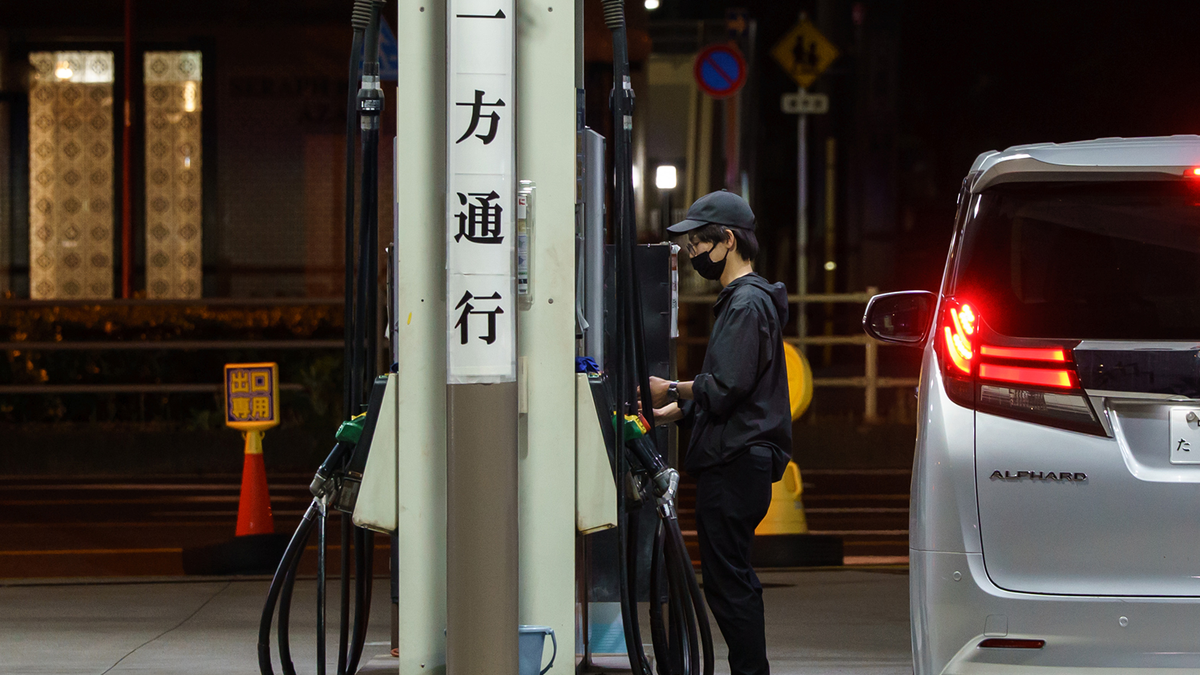
The Gulf crisis is forcing Japan to reevaluate its energy strategy, as its decade-long diversification efforts have been both validated and rendered unworkable. Tokyo is running out of strategic options, and the decisions made in the coming months will shape Japan's energy posture for a generation.
For years, Tokyo built what was arguably the world's most sophisticated liquefied natural gas (LNG) diversification strategy, designed specifically to reduce its exposure to Gulf volatility. The Hormuz crisis has validated every one of those fears. It has also closed off most of the escape routes Japan spent years building.
Japan is not currently running out of gas. There are no imminent blackouts scheduled for Tokyo or Osaka, and JERA's CEO has acknowledged that only around 5 percent of JERA's LNG shipments transit the Strait of Hormuz. The crisis is primarily one of price, not volume. But the strategic picture is more troubling than the physical one.
Long-term contracts are being hit by force majeure. Spot prices are prohibitively expensive. The underlying vulnerability is rooted in geography. Japan is an energy-poor island country with almost no domestic fossil fuel reserves, relying on the Middle East for roughly 95 percent of its oil—about 70 percent of which transits the Strait of Hormuz—and around 11 percent of its LNG.
On March 3, Tokyo-area fiscal 2026 baseload futures jumped 34 percent in just two trading days, hitting an all-time high of 16.38 yen/kWh. When QatarEnergy declared force majeure shortly after, it confirmed that this was not a temporary spike but a structural break.
Japan's decadelong strategy to insulate itself from Middle Eastern energy disruption has been proved right and rendered unworkable at the same time. For years, Tokyo built what was arguably the world's most sophisticated liquefied natural gas (LNG) diversification strategy, designed specifically to reduce its exposure to Gulf volatility. The Hormuz crisis has validated every one of those fears. It has also closed off most of the escape routes Japan spent years building.
For decades, the Sakhalin-2 project in Russia has been a pillar of Japanese energy security—geographically close, reliable, and non-Hormuz. It currently provides approximately 9 percent of Japan's total LNG supply. Since the invasion of Ukraine, Washington has maintained sustained pressure on Tokyo to exit the project. Japan has resisted, arguing that Sakhalin-2 is a matter of national survival. The current crisis makes that argument harder to counter than ever.
Australia is Japan's largest LNG supplier, a partnership built on decades of mutual trust. But even this relationship is under pressure. The Australian government is planning export curbs beginning in 2027, driven by domestic energy shortfalls and political pressure to lower prices for local industry.
The Kashiwazaki-Kariwa nuclear plant, the largest nuclear power station in the world by installed capacity, was meant to be part of the answer. Restarting its reactors would reduce Japan's need for imported LNG significantly, providing reliable baseload power without Hormuz exposure. For now, that answer is barely begun. Only one of the plant's seven reactors—Unit 6—has come back, and even that took until April to enter commercial operation, after a generator fault in mid-March delayed a restart originally set for March 18.
The domestic nuclear restart has barely begun—one reactor back, the rest of the fleet idle. Japan's room to maneuver is shrinking—not because any single option has disappeared, but because all of them are under simultaneous pressure for the first time. The decisions Tokyo makes in the next six months will be consequential in ways that outlast the current crisis—and they are no longer decisions that can be deferred through careful ambiguity.
The first is Sakhalin-2. Japan must decide whether it is a G-7 ally that accepts the costs of that alignment, or an energy-insecure nation that prioritizes its grid over its geopolitical commitments. There is no position that satisfies both Washington and the laws of supply and demand. The second is nuclear. Unit 6 at Kashiwazaki-Kariwa is finally running again, but it is one reactor among dozens still idle, and accelerating the broader restart over local opposition will take a government willing to spend political capital its predecessors hoarded. Prime Minister Sanae Takaichi has signaled the appetite, tying a wider nuclear revival to energy security since taking office. The alternative is paying crisis prices for LNG indefinitely. The third is Australia. Japan needs to lock in supply guarantees before the 2027 export curbs bite—not after. That negotiation needs to start now, while Tokyo still has something to offer Canberra in return.
Editor's Note: The analysis is based on publicly available information and may not reflect the full complexity of the situation.
Source referenced: FOREIGNPOLICY
This brief was synthesized by our Editorial Engine and reviewed by The Ground Narrative team.