TRENDING

Wednesday, 21 October 2026
----------------------
10 Jumada Al-Awwal 1448 AH
The death of Abderrahim Fakir has reignited Italy's long-standing debate over police accountability, with widespread protests and calls for reform.
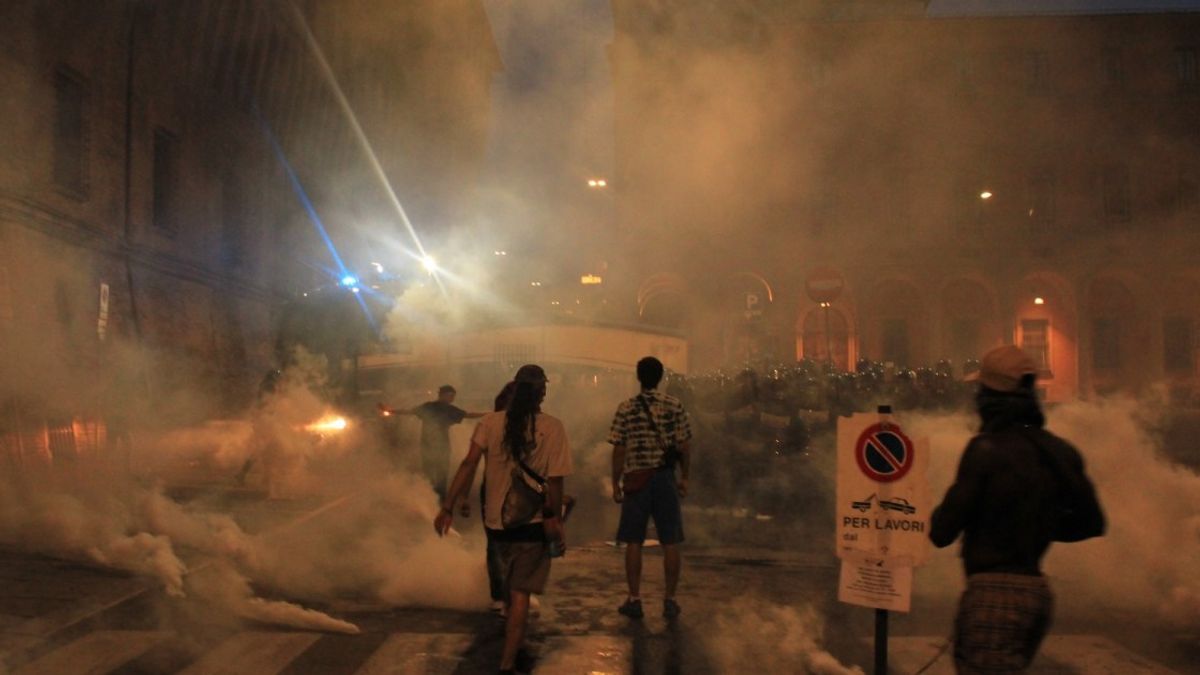
The recent death of Abderrahim Fakir, a 42-year-old Moroccan-born man, has sparked widespread protests and calls for reform in Italy. Fakir's death, which occurred during a police restraint procedure, has reignited the country's long-standing debate over police accountability.
The incident was captured on video, which shows Fakir being restrained by two police officers and a civilian on the ground. He repeatedly screams for help, and paramedics arrive with an ambulance. However, it takes over four minutes for the restraint to end, and Fakir falls silent. The video has sparked outrage, with many questioning the actions of the police officers involved.
Italy has a long history of police accountability issues, dating back to the 2009 death of Stefano Cucchi, whose brother, Senator Ilaria Cucchi, hosted a news conference in the Italian Senate to discuss the case. The European Court of Human Rights has already condemned Italy for violating Article 2 of the European Convention on Human Rights in a similar case in 2026.
The Fakir case has significant regional implications, as it highlights the need for police reform in Italy. The country's new Article 45-bis procedure, introduced by the Meloni government's Security Decree, has been criticized for making it harder to hold police officers accountable. Opposition parties, legal scholars, and human rights organizations have called for the reform to be reversed.
The Fakir case has the potential to lead to significant changes in Italy's police accountability laws. The investigation into Fakir's death will be the first conducted under the new Article 45-bis procedure, and opposition parties have called for the release of body-camera footage recorded by the officers involved. The outcome of the investigation will have significant implications for police reform in Italy.
The Fakir case matters because it highlights the need for police accountability in Italy. The country's police force has a history of using excessive force, and the Fakir case is just the latest example. The case also raises questions about the effectiveness of the new Article 45-bis procedure and whether it will lead to greater accountability for police officers.
Editor's Note: The investigation into Fakir's death will be closely watched by human rights organizations and opposition parties, and its outcome will have significant implications for police reform in Italy.
Source referenced: ALJAZEERA
This brief was synthesized by our Editorial Engine and reviewed by The Ground Narrative team.


