TRENDING

Monday, 5 October 2026
----------------------
24 Rabi' Al-Thani 1448 AH
Prime Minister Giorgia Meloni is set to outlaw burqas and niqabs in schools while limiting foreign‑student slots, a move timed for next year’s election. The policy reshapes power balances, hits Muslim families, and signals a broader cultural gamble.
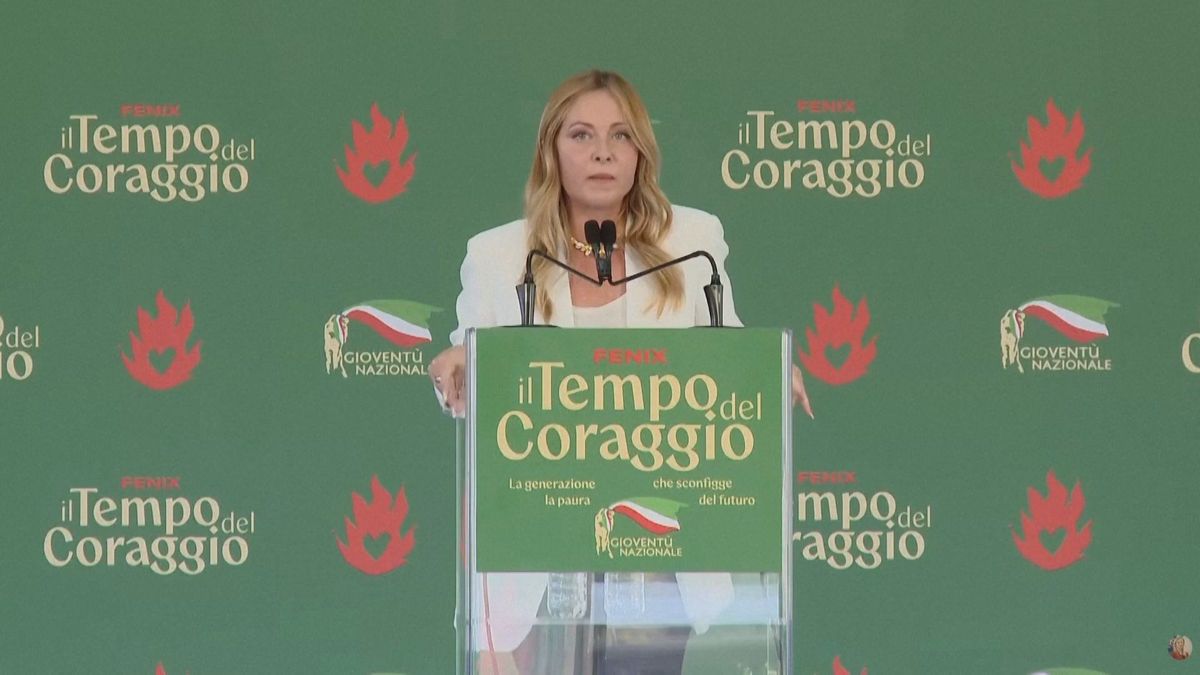
Italian Prime Minister Giorgia Meloni announced plans to prohibit the burqa and niqab in all public schools and to cap the number of foreign‑origin students per class. The proposal was unveiled on September 21, 2026 and is being positioned as a cultural‑identity safeguard ahead of the 2027 national election.
Meloni’s coalition leans heavily on right‑wing, nationalist voters who view visible religious symbols as a threat to a homogeneous Italian identity. By targeting school attire, the government taps into parental anxieties about cultural integration, a lever that translates directly into electoral support. The cap on foreign students serves a dual purpose: it appeases regional party bosses who fear competition for limited school resources, and it signals to the European Union that Italy is taking “national‑first” measures without overtly breaching EU non‑discrimination statutes.
At the same time, the move offers a bargaining chip in Italy’s ongoing negotiations with the EU over budgetary discipline and migration policy. By presenting a hard‑line domestic stance, Rome can claim it is shouldering the burden of cultural cohesion, potentially softening EU pressure on other fronts such as fiscal reforms. Business interests also stand to benefit; limiting foreign student numbers eases capacity constraints for public schools, reducing the need for immediate public‑funded infrastructure upgrades that would otherwise strain municipal budgets.
The policy’s human cost falls squarely on Muslim families, particularly women and girls who wear the covered garments for religious or cultural reasons. In schools across Lombardy and Campania, dozens of students could face exclusion, disciplinary action, or forced removal of clothing, creating a climate of stigma and alienation. Community organizations warn that the ban may push families toward private or home schooling, fragmenting social cohesion and increasing the risk of marginalisation.
Beyond the classroom, the cap on foreign‑origin pupils threatens the livelihoods of immigrant families who rely on public education as a pathway to integration. Smaller class sizes for native‑Italian students could translate into reduced funding for language‑support programs, widening the achievement gap for non‑Italian speakers. Economically, regions with higher immigrant populations may see a slowdown in local labor markets as families relocate to avoid educational barriers.
Official statements frame the ban as a “protective measure for children’s development,” yet they sidestep the broader political calculus. What receives little attention is the internal pressure Meloni faces from coalition partners who demand visible action on cultural issues to maintain their parliamentary relevance. Moreover, the policy skirts EU anti‑discrimination law by focusing on school *uniform* rules rather than outright religious bans, a legal nuance that allows the government to claim compliance while still delivering a de‑facto exclusion.
Another omitted layer is the potential impact on Italy’s diplomatic ties with Muslim‑majority nations. While Rome has historically balanced economic ties with the Gulf and North Africa, a high‑profile school ban could provoke diplomatic protests, complicating trade negotiations and migration agreements that rely on goodwill.
Watch how Italy’s parliament debates the proposal: amendments that soften enforcement or broaden the definition of “foreign‑origin” could signal the coalition’s limits. Pay attention to reactions from the European Commission; a formal infringement procedure would force Rome to justify the rule under EU law, possibly prompting a legal showdown.
In the streets, monitor protests organized by Muslim civil‑society groups and broader civil‑rights coalitions. Their scale and media coverage will reveal whether the policy galvanises a counter‑movement capable of reshaping public opinion before the election.
Finally, keep an eye on how the policy influences other EU states grappling with similar cultural debates. If Italy proceeds, it may embolden right‑wing parties in France, Germany, or Spain to propose comparable school‑dress measures, potentially reshaping the continent’s approach to religious expression in public institutions.
Editor's Note: Analysis based on publicly available statements and known political dynamics; future legislative details may alter specifics.
Source referenced: ALJAZEERA
This brief was synthesized by our Editorial Engine and reviewed by The Ground Narrative team.


