TRENDING

Saturday, 17 October 2026
----------------------
6 Jumada Al-Awwal 1448 AH
Italian prosecutors have opened a criminal case against Israel Katz and senior Israeli officials over alleged torture and sexual assault of activists from the Global Sumud Flotilla. The probe shines a light on how state power, diplomatic immunity, and activist solidarity collide.
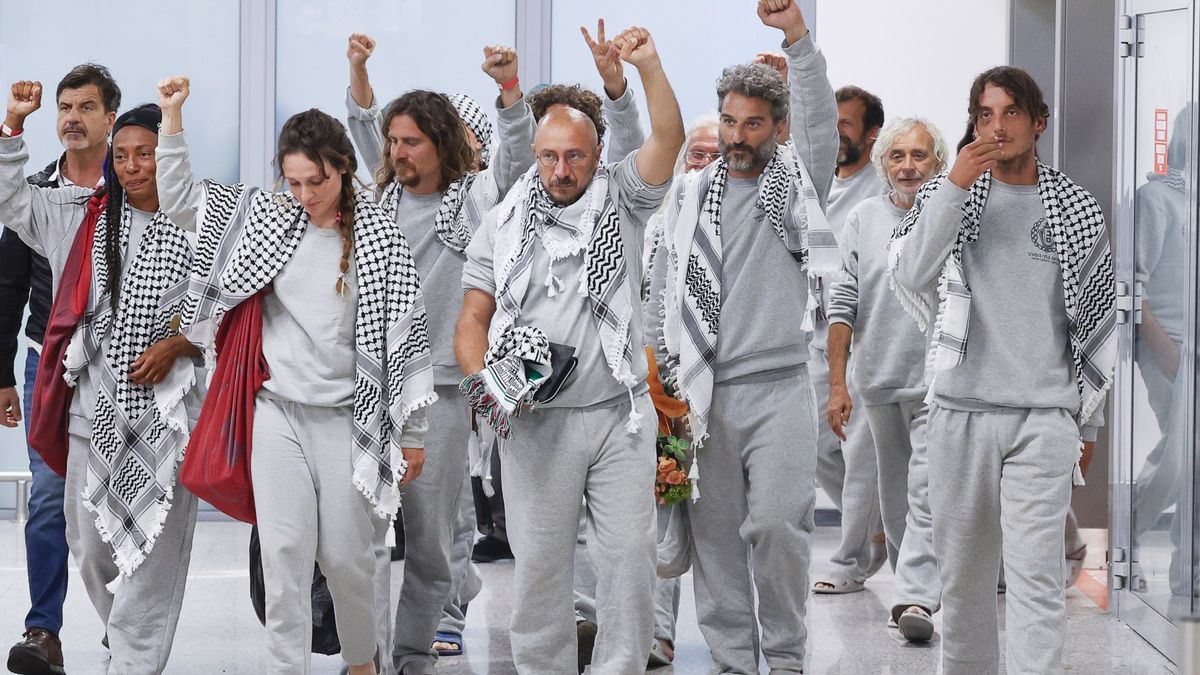
Italian prosecutors announced on 16 October 2026 that Israel Katz, Israel’s defence minister, and twelve senior military, police and prison officials are under criminal investigation. The case stems from complaints by about fifty Italian citizens who were detained after two Global Sumud Flotilla missions in 2025 and 2026. Activists allege beatings, threats, and at least fifteen incidents of sexual assault while being held in makeshift detention facilities off the Israeli coast. The investigation expands an earlier probe that focused on far‑right National Security Minister Itamar Ben‑Gvir, who publicly taunted the detainees.
The first flotilla left Barcelona in September 2025 with 42 boats and 462 activists aiming to break the maritime blockade of Gaza. Israeli forces intercepted the fleet in international waters in early October, detaining hundreds before deporting them. A second mission set sail in April 2026, only to be intercepted near Crete and later off Cyprus, resulting in the detention of roughly 430 people on about fifty ships. The Italian authorities have requested judicial assistance from Israel and are coordinating with Eurojust as similar investigations unfold across Europe.
Under Italian law, crimes committed abroad against Italian nationals can be prosecuted in Rome. This legal principle gives Italy a rare jurisdictional foothold to challenge actions taken by a sovereign state far from its own courts. The move forces Israel to confront a potential breach of international norms without the usual diplomatic shield of sovereign immunity. By involving Eurojust, the EU signals a collective willingness to scrutinise alleged violations of human rights, turning a bilateral dispute into a multilateral legal arena.
For Ben‑Gvir, the flotilla incidents became a rallying point to reinforce his hard‑line image among right‑wing voters. Publicly celebrating the interception and displaying detained activists on video served to portray him as a defender of national security. Conversely, Katz faces pressure from coalition partners and an increasingly vocal opposition that demands accountability for alleged war crimes. The investigation threatens his political capital, especially as Israel prepares for upcoming elections where any scandal could tip the balance.
Israel’s naval blockade of Gaza is a core component of its security doctrine, aimed at preventing weapons smuggling. Intercepting activist vessels in international waters signals a willingness to project power beyond its immediate territorial waters, reinforcing a deterrent posture. However, the alleged use of tasers, rubber bullets, and sexual violence indicates a shift from conventional crowd control to tactics that blur the line between security enforcement and punitive repression.
The United States, traditionally Israel’s strongest ally, watches the legal developments closely. While Washington publicly supports Israel’s right to self‑defence, it also balances concerns about human‑rights violations that could undermine broader diplomatic objectives in the Middle East. European partners, especially Italy, may leverage the case to extract concessions on settlement policies or humanitarian access to Gaza, using legal pressure as a bargaining chip.
The detained activists, many of whom are ordinary citizens—students, teachers, and retirees—now carry physical scars and psychological trauma. Luca Poggi, an Italian economist, described being stripped, kicked, and left in a dark cell. For families back home, the ordeal translates into lost wages, mounting medical bills, and the lingering fear of retaliation. The Italian diaspora in the Middle East also faces heightened scrutiny, as authorities may view them as potential sympathisers.
The flotilla’s stated purpose was to deliver humanitarian aid to Gaza, where the blockade has choked essential supplies for over a decade. Each intercepted vessel represents a missed opportunity for food, medicine, and construction materials. The broader effect is a reinforcement of the siege, exacerbating civilian suffering and fueling resentment that can translate into further radicalisation.
Allegations of sexual assault and torture place Israeli soldiers and police under intense moral and legal scrutiny. If proven, the accusations could lead to criminal prosecutions, career derailments, and a crisis of legitimacy within the security establishment. The internal morale of troops tasked with enforcing the blockade may erode, especially if they perceive a disconnect between official orders and international legal standards.
Official Israeli statements have largely framed the interceptions as lawful enforcement against illegal entry. The language downplays any abuse, emphasizing “security checks” and “preventing terrorism.” What is omitted is the systematic pattern of violence reported across two separate missions, suggesting an institutional tolerance for excessive force.
Western media coverage often mirrors diplomatic language, reporting the interceptions as “naval operations” without delving into survivor testimonies. In contrast, activist networks circulate graphic accounts of beatings and sexual assault, which are frequently dismissed as propaganda by state‑aligned outlets. This asymmetry shapes public opinion, allowing governments to sidestep accountability while activists struggle to have their stories heard.
The maritime blockade benefits certain Israeli port operators and regional contractors who profit from the controlled flow of goods into Gaza. By maintaining a strict choke‑point, these actors secure lucrative contracts for inspection services, surveillance technology, and security staffing. The investigation threatens to expose these profit motives, prompting a quiet downplay of any misconduct that could jeopardise lucrative arrangements.
- Judicial response from Israel: Whether the Israeli justice system cooperates with Rome’s request for evidence will signal the willingness of the Israeli establishment to confront alleged abuses.
- European coordination: Follow Eurojust’s next steps; a unified EU legal front could amplify pressure on Israel and set precedents for cross‑border accountability.
- Political fallout in Israel: Track how the investigation influences Katz’s standing within the coalition and whether it fuels intra‑government debates on the blockade’s legality.
- Activist strategies: Observe whether future flotilla attempts adapt by seeking legal protection, using diplomatic channels, or shifting tactics to avoid interception.
- Public opinion in Italy: Monitor protests, parliamentary debates, and media narratives to gauge whether the case reshapes Italian foreign policy toward the Israeli‑Palestinian conflict.
By watching these threads, ordinary citizens can see how a legal probe in Rome reverberates through diplomatic corridors, military doctrines, and the daily lives of people caught between geopolitics and humanitarian need.
Italian law allows prosecution of crimes committed abroad against Italian citizens. Prosecutors can request judicial assistance from Israel and coordinate with Eurojust to gather evidence.
If evidence of abuse is confirmed, it could pressure Israel to modify enforcement tactics or face international legal consequences, potentially easing the blockade’s severity.
Source referenced: ALJAZEERA
This brief was synthesized by our Editorial Engine and reviewed by The Ground Narrative team.