TRENDING

Sunday, 18 October 2026
----------------------
7 Jumada Al-Awwal 1448 AH
The 2026 diplomatic push between Ethiopia and Eritrea revives old wounds while exposing new power games. Ordinary people on both sides bear the brunt of a conflict that could flare at any moment.
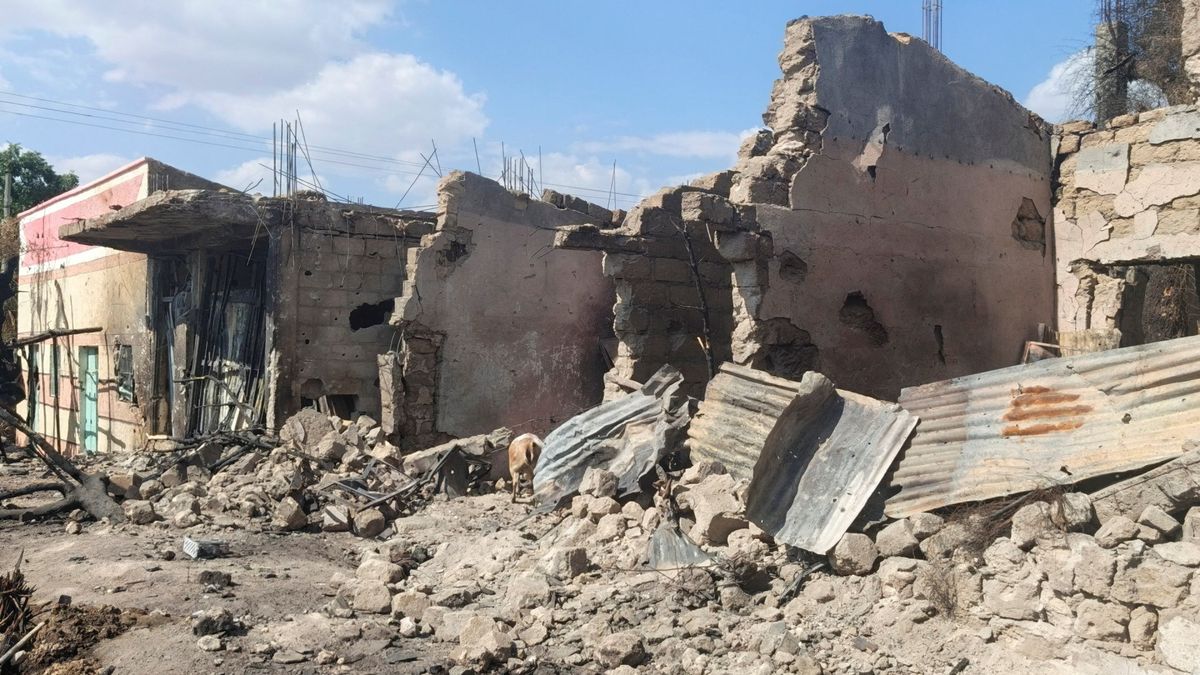
The United States publicly urged dialogue as Ethiopia and Eritrea slipped back toward the brink of open war in October 2026. Long‑standing territorial disputes—most notably over the Badme area and Eritrea’s port of Assab—have resurfaced after a decade of uneasy peace following the 2018 Jeddah Accord. Accusations flew: Addis Ababa claimed Eritrean forces were arming Tigrayan rebels, while Asmara warned Addis of plans to seize its Red Sea outlet. A televised round‑table hosted by Al Jazeera featured regional analysts debating whether renewed diplomacy could finally settle the feud.
Both Ethiopia and Eritrea view control of border zones as essential to national security. For Addis, a secure corridor to the Red Sea would diversify trade routes that currently depend on Djibouti, reducing vulnerability to external pressure. Asmara, landlocked since independence, treats its ports as lifelines for oil imports and export revenue; any Ethiopian encroachment threatens its economic survival.
The United States has re‑entered the Horn of Africa with a mix of military aid and diplomatic overtures, hoping to contain Chinese and Russian influence. Washington’s call for talks serves a dual purpose: it projects a peace‑building image while keeping the region within its strategic orbit. Meanwhile, China deepens its Belt‑and‑Road investments in both capitals, offering infrastructure loans that subtly bind the two states to Beijing’s agenda. Russia, through private military contractors, continues to supply both sides with arms, ensuring a market for its defense exports.
Prime Minister Abiy Ahmed faces a fragile coalition after the 2024 elections; a hard‑line stance against Eritrea can rally nationalist elements and distract from economic woes. In Asmara, President Isaias Afwerki relies on the narrative of external threat to justify tight political control and maintain the loyalty of the military elite.
Ethiopia’s recent rapprochement with Sudan’s transitional government and its tentative ties with the African Union’s peace‑keeping framework create a web of obligations. Eritrea, meanwhile, leans on its alliance with Saudi Arabia and the United Arab Emirates, who see a stable Red Sea corridor as vital for oil shipments. These overlapping commitments mean any escalation could draw in multiple external actors, raising the stakes far beyond the bilateral dispute.
In the Badme region, families have lived under a rotating presence of Ethiopian soldiers and Eritrean patrols for decades. Schools operate on makeshift schedules, and farmers risk landmines to tend fields that could be shelled at any moment. Recent shelling reports have left dozens injured and displaced, with humanitarian NGOs struggling to access the area due to security restrictions.
The 1998‑2000 war and the subsequent Tigray conflict have left a generation scarred. Refugees fleeing into Eritrea report harsh detention conditions, while those remaining in Ethiopia’s Tigray region fear a renewed crackdown if Eritrean forces re‑enter under the pretext of chasing rebels.
Assab’s dockworkers face unemployment spikes whenever Ethiopian ships are barred, while Ethiopian merchants in Addis lose bargaining power without reliable sea access. The resulting price hikes ripple through both economies, hitting the poorest households hardest.
Official statements from Washington emphasize “peaceful dialogue,” yet internal memos leaked to investigative outlets reveal a parallel strategy: securing basing rights for U.S. drones in Eritrea to monitor the Red Sea’s shipping lanes. This hidden agenda is omitted from public speeches, framing the talks as purely humanitarian.
Chinese state‑owned construction firms stand to win multi‑billion‑dollar contracts for a new rail link from Addis Ababa to Assab if the border opens. Their lobbying efforts are largely invisible to the public, but they influence both governments’ cost‑benefit calculations.
Mainstream coverage focuses on high‑level negotiations, rarely quoting the mothers who have lost children to stray artillery or the traders who cannot move goods. This narrative gap downplays the everyday stakes that could tip public opinion toward renewed conflict.
- U.S. military deployments: Any increase in drone activity over Eritrea would signal a shift from diplomatic rhetoric to security posturing.
- Chinese contract awards: Announcements of infrastructure deals in the coming months will indicate which side is leaning toward Beijing’s economic model.
- Border incidents: Even minor skirmishes along Badme or near Assab can quickly spiral, especially if either side invokes external allies.
- Domestic political moves: Upcoming elections in Ethiopia and any constitutional amendments in Eritrea could be used to rally nationalist sentiment, affecting the willingness to compromise.
- Humanitarian access: The ability of NGOs to reach border communities will be a barometer of how much the conflict is being concealed from the world.
Monitoring these variables will reveal whether the 2026 diplomatic overture is a genuine peace effort or a calculated pause before the next round of power plays.
Accusations that Eritrea is arming Tigrayan rebels and Ethiopia’s alleged plans to seize the Red Sea port of Assab reignited old grievances, prompting both sides to mobilize troops along the border.
The United States pushes for dialogue while seeking drone basing rights, China offers infrastructure loans tied to future rail projects, and Russia supplies arms to both parties, creating a web of competing interests.
Border villagers, Tigray refugees, dockworkers in Assab, and ordinary merchants in both capitals face displacement, loss of livelihood, and heightened insecurity.
Editor's Note: Analysis based on publicly available statements and leaked diplomatic memos; on‑the‑ground conditions may evolve rapidly.
Source referenced: ALJAZEERA
This brief was synthesized by our Editorial Engine and reviewed by The Ground Narrative team.