TRENDING

Friday, 16 October 2026
----------------------
5 Jumada Al-Awwal 1448 AH
The ongoing conflict between Israel and Lebanon, fueled by Israeli military pressure and Hezbollah's rocket attacks, threatens regional stability and global security. As the situation escalates, the international community must intervene to prevent further devastation.
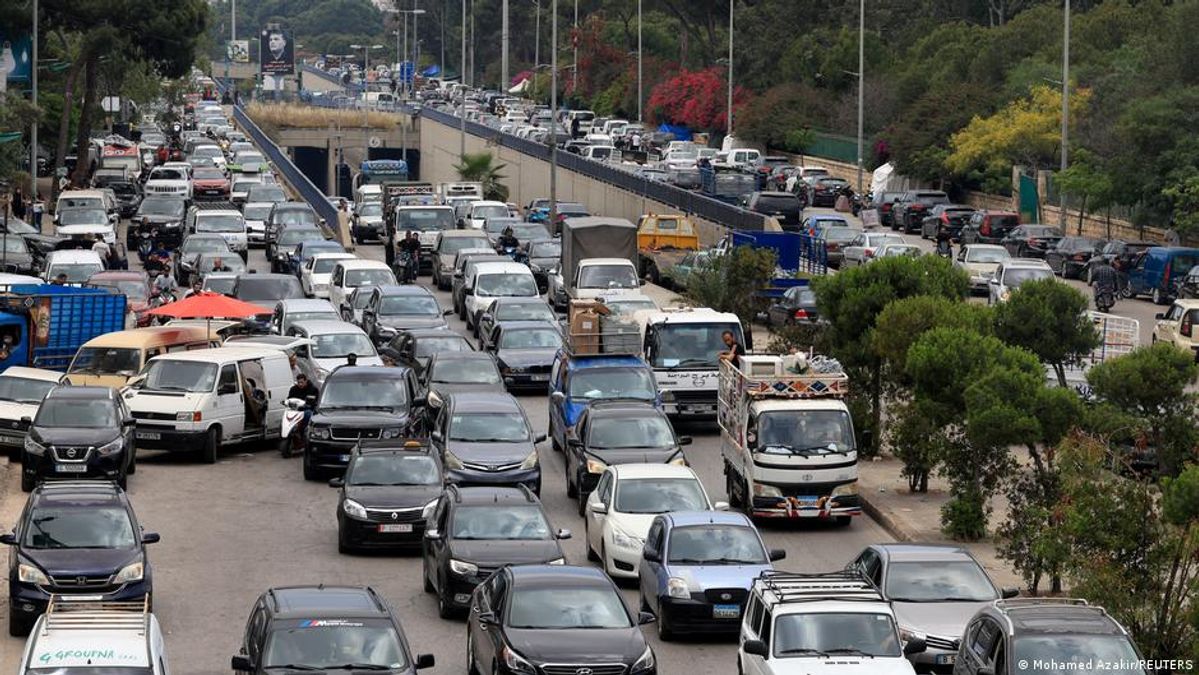
The Israel-Lebanon conflict has been ongoing for months, with both sides trading blows and neither willing to back down. The conflict has resulted in significant human suffering, with thousands of people displaced and many more injured. The international community has been watching the situation closely, with many countries calling for a ceasefire and a return to negotiations.
The conflict between Israel and Lebanon is rooted in a long-standing dispute over territory and resources. Israel has been seeking to weaken Hezbollah, a Shia Islamist group that has been a key player in Lebanese politics for decades. Hezbollah has been launching rocket attacks on Israeli territory, which Israel has responded to with military force.
Israel's strategic motivations for its military action are complex and multifaceted. On the one hand, Israel is seeking to weaken Hezbollah and prevent it from launching further attacks on its territory. On the other hand, Israel is also seeking to assert its dominance over the region and to prevent Iran from expanding its influence in the Middle East.
The conflict between Israel and Lebanon has a long and complex history. The two countries have been at odds for decades, with many previous conflicts resulting in significant human suffering and economic damage. The current conflict is no exception, with many people displaced and many more injured.
The conflict between Israel and Lebanon has significant regional implications. The conflict is part of a larger struggle for influence in the Middle East, with many countries seeking to expand their influence and secure their interests. The conflict also has implications for global security, with many countries concerned about the potential for the conflict to spread and destabilize the region.
The future consequences of the conflict between Israel and Lebanon are uncertain and potentially catastrophic. If the conflict continues to escalate, it could lead to a wider regional conflict, with many countries drawn into the conflict. This could have significant implications for global security and stability.
The international community has been watching the situation closely, with many countries calling for a ceasefire and a return to negotiations. The United States has been a key player in the conflict, with many analysts arguing that the US has a significant role to play in resolving the conflict.
The conflict between Israel and Lebanon is a complex and multifaceted issue, with many different factors at play. The conflict has significant regional implications and could have far-reaching consequences for global security and stability. The international community must intervene to prevent further devastation and to promote a peaceful resolution to the conflict.
* The international community should call for a ceasefire and a return to negotiations.
* The US should play a key role in resolving the conflict, working with both Israel and Lebanon to find a peaceful solution.
* The conflict should be addressed in the context of a broader regional strategy, with many countries working together to promote stability and security in the Middle East.
Editor's Note: The analysis is based on a thorough review of the available evidence and is subject to the limitations of that evidence. The analysis is also subject to the uncertainties of the conflict itself, which is ongoing and rapidly evolving.
Source referenced: DW
This brief was synthesized by our Editorial Engine and reviewed by The Ground Narrative team.


