TRENDING

Sunday, 4 October 2026
----------------------
23 Rabi' Al-Thani 1448 AH
Mohsen Rezaei, a 71-year-old hardliner, has been appointed as secretary of Iran's Supreme National Security Council, solidifying his position as a key player in the country's security and foreign policy. Rezaei's appointment comes at a critical time, as Iran navigates a conflict with the United States. This analysis delves into Rezaei's background, the power mechanics at play, and the human cost of his rise to prominence.
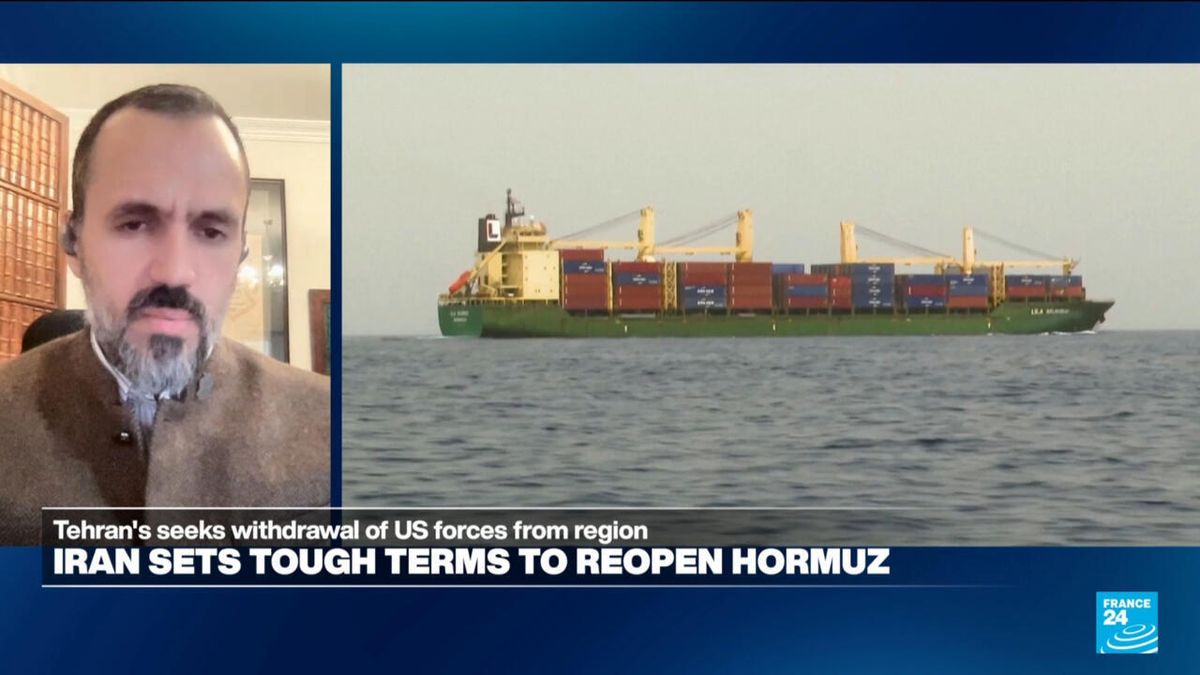
Iran has appointed Mohsen Rezaei as secretary of its Supreme National Security Council, a move that cements his position as a prominent hardliner and close ally of Supreme Leader Ayatollah Mojtaba Khamenei. Rezaei replaces Mohammad Baqer Zolqadr as second-in-command of the body that coordinates Iran's security and foreign policy.
Rezaei's appointment is a strategic move by Khamenei to consolidate power and ensure the Supreme National Security Council is aligned with his vision. As a former commander of the Islamic Revolutionary Guard Corps (IRGC) and a veteran of the Iran-Iraq war, Rezaei brings valuable experience to the role. His close ties to Khamenei and his hardline stance on negotiations with the United States make him an ideal candidate to shape Iran's security and foreign policy. The appointment also reflects the evolving power dynamics within Iran, as Khamenei seeks to assert his authority and navigate the country's relationships with external actors.
The impact of Rezaei's appointment will be felt by various populations, including Iranian citizens, regional stakeholders, and international actors. His hardline stance on negotiations with the United States may lead to further escalation of the conflict, resulting in increased human suffering and economic costs. The people of Iran, who have already borne the brunt of the conflict, will likely face further hardship and uncertainty. Additionally, Rezaei's record during the Iran-Iraq war has been controversial, with critics questioning his role in costly offensives that resulted in heavy Iranian casualties.
What is being downplayed by powerful actors is the potential for Rezaei's appointment to exacerbate existing tensions between Iran and the United States. His statements on the conflict, including his suggestion that it would be beneficial for the United States to launch a ground invasion of Iran, have been widely reported. However, the implications of his appointment on the broader regional dynamics and the potential for further conflict are being understated. The international community should be cautious of Rezaei's influence on Iran's security and foreign policy, as his hardline stance may lead to increased aggression and decreased cooperation.
As Rezaei assumes his new role, readers should watch for signs of increased tensions between Iran and the United States. The conflict has already resulted in significant human suffering and economic costs, and Rezaei's appointment may lead to further escalation. The international community should also monitor Rezaei's influence on Iran's security and foreign policy, as his hardline stance may lead to decreased cooperation and increased aggression. Furthermore, the impact of Rezaei's appointment on the Iranian people and regional stakeholders should be closely watched, as the human cost of the conflict continues to mount.
Editor's Note: The analysis is based on publicly available information and may not reflect the full complexity of the situation.
Source referenced: FRANCE24
This brief was synthesized by our Editorial Engine and reviewed by The Ground Narrative team.