TRENDING

Wednesday, 21 October 2026
----------------------
10 Jumada Al-Awwal 1448 AH
IAEA chief Rafael Grossi warns that Iran-US nuclear talks are in a 'complicated phase' as Iran and Israel trade fire, raising concerns about the future of the negotiations and regional stability.
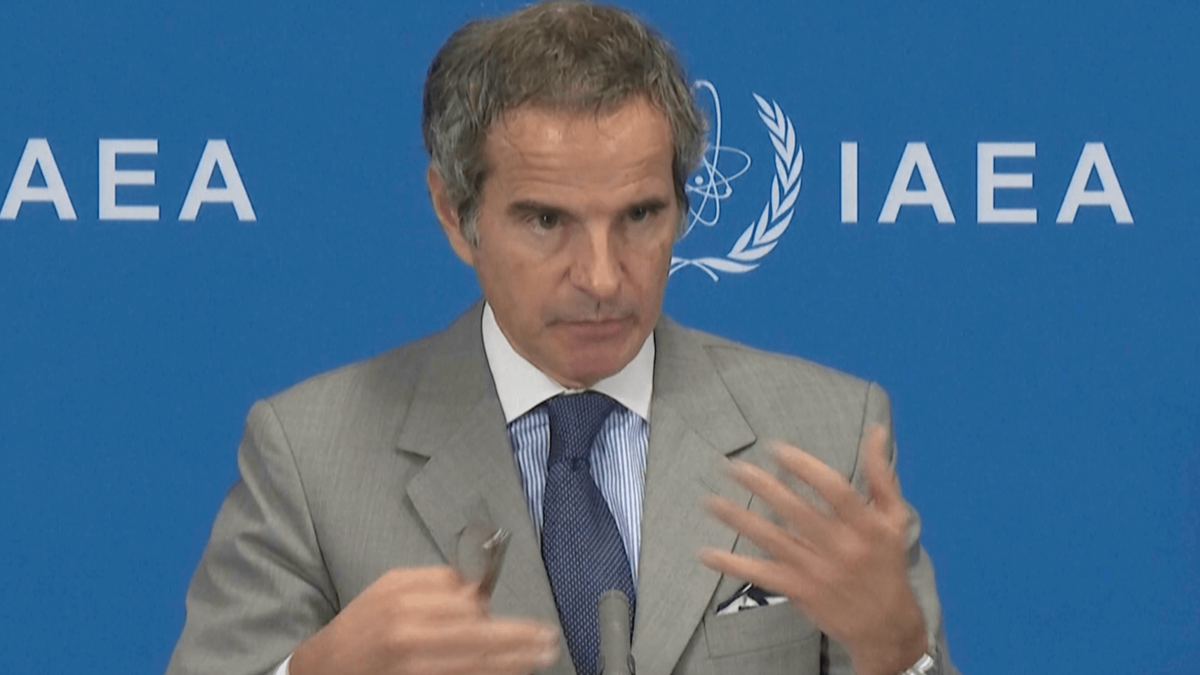
The recent escalation of tensions between Iran and Israel, marked by a significant exchange of fire on Monday, has cast a shadow over the already complicated Iran-US nuclear talks. According to International Atomic Energy Agency (IAEA) chief Rafael Grossi, the talks are currently in a 'complicated phase,' indicating a significant setback in the negotiations.
The Iran-US nuclear talks have been ongoing for several years, with the primary goal of limiting Iran's nuclear program in exchange for relief from economic sanctions. However, the talks have been plagued by disagreements and mistrust, particularly since the US withdrawal from the Joint Comprehensive Plan of Action (JCPOA) in 2018. The current escalation of tensions between Iran and Israel adds a new layer of complexity to the negotiations.
Iran's actions in recent days can be seen as a response to the increasing pressure from the US and its allies, particularly Israel, to limit its nuclear program. Iran's leadership may be attempting to demonstrate its military capabilities and deter potential aggression from its adversaries. On the other hand, the US may be seeking to use the current tensions as a pretext to further restrict Iran's nuclear program or even impose new sanctions.
The escalation of tensions between Iran and Israel has significant regional implications. The conflict has the potential to draw in other regional actors, including Saudi Arabia and Turkey, and could lead to a wider conflict in the Middle East. The stability of the region is already precarious, with ongoing conflicts in Syria, Yemen, and Libya.
The current stalemate in the Iran-US nuclear talks and the escalating tensions between Iran and Israel raise concerns about the future of the negotiations and regional stability. If the talks fail, it could lead to a significant escalation of tensions in the region, potentially resulting in a wider conflict. On the other hand, a successful negotiation could lead to a reduction in tensions and a more stable regional environment.
The current situation in the Iran-US nuclear talks and the escalating tensions between Iran and Israel are a complex and sensitive issue. The strategic motivations of the parties involved are multifaceted, and the regional implications are significant. As the situation continues to unfold, it is essential to remain vigilant and monitor the developments closely.
Editor's Note: The analysis is based on publicly available information and may not reflect the full complexity of the situation. The strategic motivations of the parties involved are subject to interpretation, and the regional implications are significant and potentially far-reaching.
Source referenced: ALJAZEERA
This brief was synthesized by our Editorial Engine and reviewed by The Ground Narrative team.


