TRENDING

Monday, 5 October 2026
----------------------
24 Rabi' Al-Thani 1448 AH
Iran releases satellite images showing damage to multiple US military facilities, sparking a new round of tensions in the Middle East. The move is seen as a demonstration of Iran's military capabilities and a warning to the US and its allies. As the region teeters on the brink of conflict, the human cost of escalation looms large.
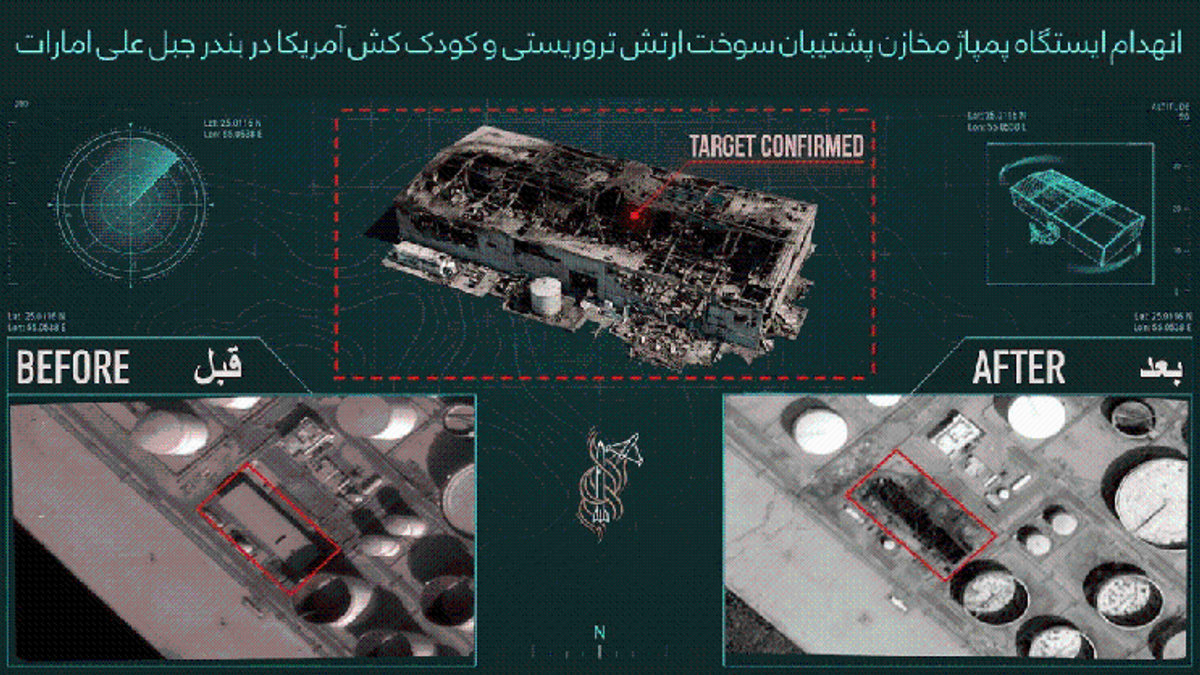
Iran has released a series of satellite images purporting to show damage to US military facilities in several Middle East countries, including the United Arab Emirates, Kuwait, Iraq, and Syria. The images, released by Fars News Agency, appear to show before-and-after views of targeted sites, including a US military fuel storage facility at Jebel Ali Port in the UAE.
The release of these images is a calculated move by Iran to demonstrate its military capabilities and send a warning to the US and its allies. By showcasing its ability to strike at US interests in the region, Iran is seeking to deter further aggression and protect its own interests. The move is also likely intended to bolster Iran's position in the region, particularly in the face of ongoing tensions with the US and its allies.
The people who will bear the brunt of any escalation in the region are the ordinary citizens of the Middle East. The conflict has already had a devastating impact on civilians, with many forced to flee their homes, lose their livelihoods, and suffer from a lack of access to basic necessities like food, water, and healthcare. As the tensions between Iran and the US continue to simmer, the risk of further violence and displacement grows, threatening the stability of the entire region.
What is being downplayed in the official statements is the role of the US in exacerbating the tensions in the region. The US has been actively pursuing a policy of maximum pressure against Iran, imposing crippling sanctions and engaging in a series of provocative military maneuvers. This has created an environment in which Iran feels compelled to demonstrate its military capabilities and defend its interests. The US and its allies are also omitting the fact that their own military presence in the region is a major contributor to the instability and violence that is plaguing the Middle East.
As the situation continues to unfold, readers should watch for any signs of further escalation, including increased military deployments, cyberattacks, or other forms of aggression. The US and its allies may respond to Iran's move by increasing their military presence in the region, which could lead to a further destabilization of the area. Meanwhile, Iran may continue to pursue its strategy of asymmetric warfare, using proxy forces and other non-state actors to attack US interests and allies. The next few weeks will be critical in determining the trajectory of the conflict, and the world will be watching with bated breath to see how the situation unfolds.
Editor's Note: The analysis is based on publicly available information and may not reflect the full complexity of the situation on the ground.
Source referenced: CGTN
This brief was synthesized by our Editorial Engine and reviewed by The Ground Narrative team.


