TRENDING

Monday, 26 October 2026
----------------------
15 Jumada Al-Awwal 1448 AH
Iran and Oman have concluded "fruitful" discussions aimed at enhancing safe shipping traffic management in the Strait of Hormuz, a critical global energy chokepoint. These diplomatic efforts underscore a regional push for stability amidst persistent geopolitical tensions and past maritime incidents.
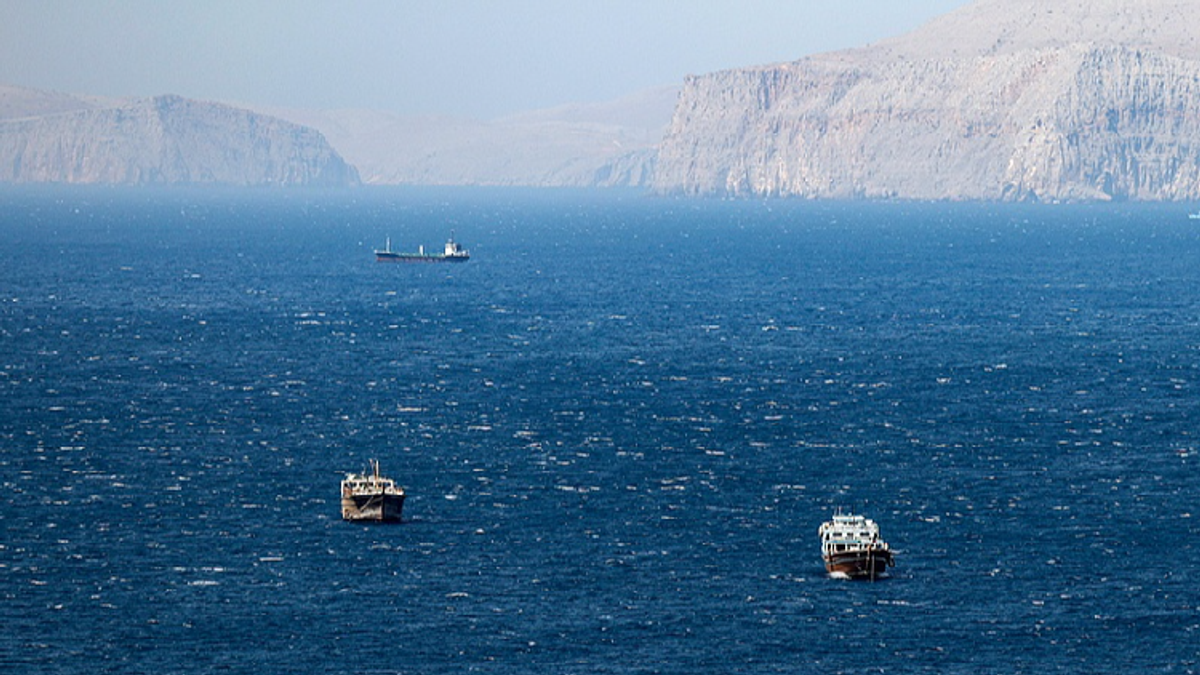
In a significant diplomatic development, Iran and Oman have engaged in "fruitful" discussions concerning the management of safe shipping traffic within the Strait of Hormuz. The talks, held in Tehran on Friday and Saturday, July 24-25, 2026, involved deputy foreign ministers from both nations, with Iranian Foreign Ministry spokesman Esmaeil Baghaei confirming progress. This initiative highlights a concerted effort by key regional actors to address maritime security in one of the world's most strategically vital waterways.
The Strait of Hormuz, a narrow passage connecting the Persian Gulf to the open ocean, is an indispensable conduit for global energy supplies. Approximately one-fifth of the world's total oil consumption, along with a significant portion of liquefied natural gas (LNG), transits through this strait daily. Its strategic importance renders any disruption a matter of profound international concern, capable of triggering global economic instability and energy price volatility. Both Iran and Oman share coastal sovereignty over the strait, making their cooperation fundamental to its safe and efficient operation.
The primary motivation behind these discussions is the shared interest in maintaining shipping safety and preventing escalation in the volatile West Asia region. According to the Iranian Foreign Ministry, the talks focused on establishing "joint principles and operational mechanisms" for traffic management, while explicitly observing the "sovereign rights" of both coastal states. This emphasis on sovereign rights is particularly pertinent for Iran, which has historically asserted its jurisdiction over the strait in response to international, often U.S.-led, naval presence and navigation directives.
The diplomatic engagement between Tehran and Muscat occurs against a backdrop of heightened regional tensions, notably the ongoing "prolonged struggle" between the United States and Iran over the Strait of Hormuz, as well as reports of continued exchanges of strikes. Such incidents underscore the precarious security environment and the urgent need for de-escalation mechanisms. Oman, known for its historically neutral stance and role as a regional mediator, often facilitates dialogue between Iran and Western powers or Gulf Arab states. Its involvement in these talks signals a continued commitment to fostering stability and preventing broader conflict in its immediate neighborhood.
The reported progress in these talks, while not yet leading to changes in maritime traffic regulations, represents a crucial step in regional confidence-building. By establishing clearer operational mechanisms and principles, Iran and Oman aim to reduce the risk of miscalculation and accidental confrontation in a highly sensitive area. For the international community, any measure that enhances the predictability and security of transit through the Strait of Hormuz is welcomed, as it directly impacts global energy security and trade flows.
Furthermore, these bilateral discussions highlight the potential for regional solutions to complex security challenges. While external powers often play a role in the Gulf's security architecture, direct engagement between coastal states like Iran and Oman can foster a sense of shared responsibility and ownership over maritime safety. The continuation of "technical and political consultations" suggests a sustained commitment to these efforts, indicating that the initial talks were not merely symbolic but part of an ongoing process.
While the "fruitful" nature of the talks and the achievement of "some progress" are positive indicators, the broader geopolitical landscape of the West Asia region remains complex and fraught with challenges. The underlying tensions between Iran and its adversaries, particularly the United States and some Gulf Arab states, persist. Therefore, the long-term impact of these bilateral discussions will depend on their ability to translate into concrete, verifiable improvements in maritime security and, crucially, to withstand the pressures of wider regional dynamics.
Nevertheless, the engagement between Iran and Oman serves as a reminder of the enduring importance of diplomacy in managing critical international waterways. It demonstrates a pragmatic approach by regional actors to safeguard their economic interests and promote stability, even amidst significant geopolitical headwinds. The world will closely watch how these consultations evolve and whether they can contribute to a more secure and predictable environment in the Strait of Hormuz, a lifeline for the global economy.
Source referenced: CGTN
This brief was synthesized by our Editorial Engine and reviewed by The Ground Narrative team.


