TRENDING

Monday, 5 October 2026
----------------------
24 Rabi' Al-Thani 1448 AH
Iran's middle class is being pushed into poverty as the country's economy contracts and inflation soars, with the war intensifying the crisis. The human cost is evident in the empty plates of Tehran, where families can no longer afford basic necessities like meat and healthcare.
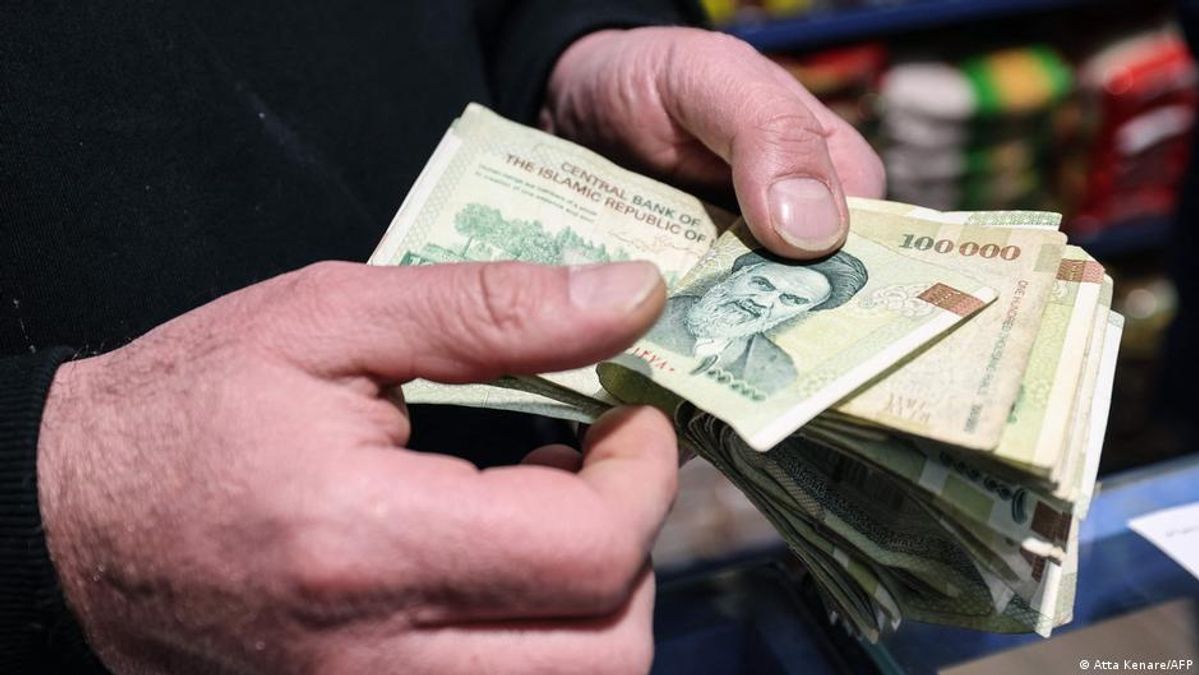
Iran's economy is facing a severe crisis, with the International Monetary Fund forecasting a 5.4% contraction this year and inflation expected to approach 69%. The war has intensified the economic woes, with damage to infrastructure, disruption of trade, and rising inflation expectations accelerating the collapse in purchasing power.
The Iranian government's ability to respond to the crisis is limited by sanctions, export restrictions, and higher transport costs, which continue to limit its oil revenues. The government's measures, including subsidies, price controls, and intervention in the foreign exchange market, may ease some immediate pressure but are unlikely to address the underlying problems. The lack of confidence in the economy is a major barrier to recovery, with many businesses delaying investment and households becoming increasingly cautious about spending.
The human cost of the crisis is evident in the stories of Iranian families who can no longer afford basic necessities like meat and healthcare. Mina, a housewife, says her family has become poorer every day since the war started, and they can no longer afford red meat. The war has pushed some 4 million Iranians into poverty, with economists estimating that between 3.5 and 4.5 million more Iranians have fallen into poverty since the conflict intensified.
What is being downplayed by the Iranian government and other powerful actors is the extent to which the middle class is being affected by the crisis. Many salaried workers and pensioners have fallen below the poverty line for the first time, and the pressure is being felt by Iran's private sector, with businesses squeezed by uncertainty and merchants living with constant uncertainty. The government's measures to address the crisis are short-term responses rather than lasting solutions, and the lack of confidence in the economy is a major barrier to recovery.
Readers should watch for the Iranian government's next moves to address the crisis, including potential measures to restore confidence in the economy and address the underlying problems. The impact of the crisis on the middle class and the private sector will be crucial to watch, as well as the potential for social unrest and protests. The role of external actors, including the US and China, in shaping the crisis and its outcome will also be important to monitor.
Editor's Note: The analysis is based on publicly available data and expert opinions, but the situation on the ground is complex and subject to change.
Source referenced: DW
This brief was synthesized by our Editorial Engine and reviewed by The Ground Narrative team.