TRENDING

Monday, 5 October 2026
----------------------
24 Rabi' Al-Thani 1448 AH
A US naval blockade and ongoing conflict are devastating Iran's economy, pushing ordinary citizens to the brink as inflation soars and jobs vanish. The struggle for daily survival deepens, revealing the human cost of geopolitical power plays.
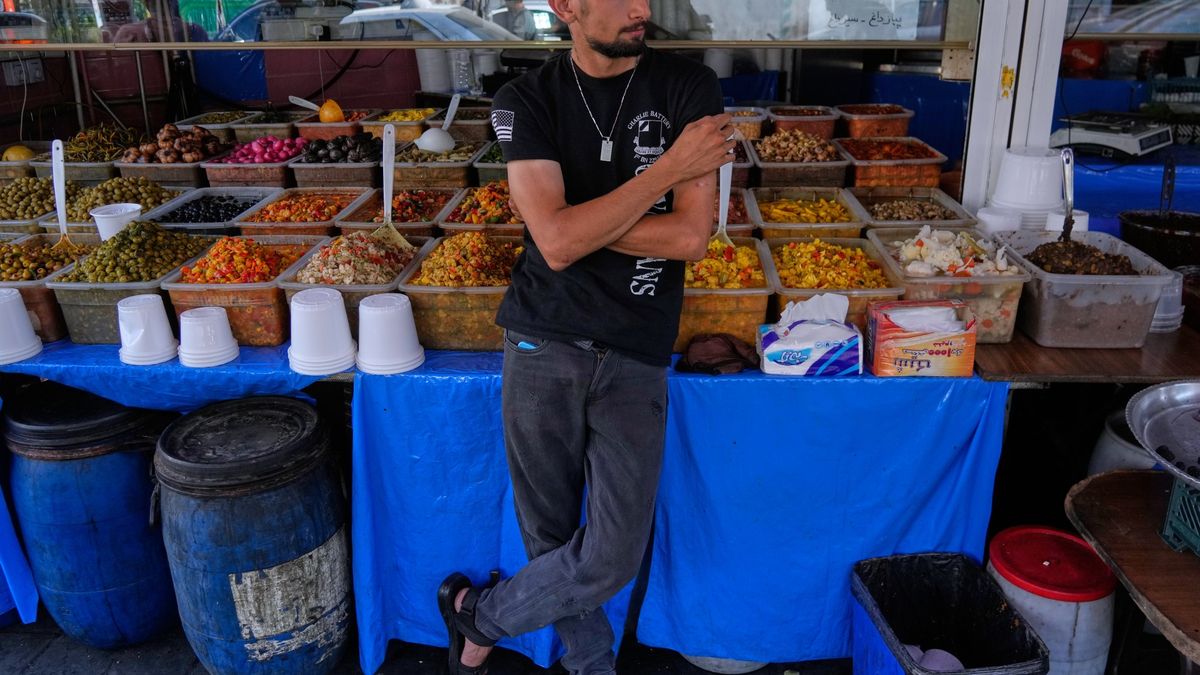
For months, a naval blockade imposed by the United States on Iranian ports, coupled with ongoing conflict, has choked the lifeblood of Iran's economy. This intensified pressure has led to rampant inflation, particularly in essential goods, and widespread job losses, forcing millions of Iranians into a desperate struggle for daily survival. The situation has severely impacted everything from basic food prices to the availability of stable employment, pushing the nation's economic resilience to its limits.
This economic crisis is a direct result of a calculated strategy by the United States to exert maximum pressure on Iran, aiming to cripple its financial capacity and compel policy shifts. The naval blockade specifically targets Iran's ability to export oil and import crucial goods, leveraging the Strait of Hormuz as a strategic choke point. For decades, Iran has developed a degree of economic self-sufficiency to counter sanctions, but the current combination of a direct naval blockade and wartime destruction of infrastructure has overwhelmed these defenses. The Iranian government, already grappling with systemic corruption and mismanagement, now faces an unprecedented external assault on its economic foundations, leaving it with limited options beyond printing more money, which only exacerbates inflation. Both sides understand that control over maritime trade routes is a potent weapon, with the US aiming to cut off revenue and Iran seeking to maintain its economic lifelines and leverage its strategic position.
The human cost of this geopolitical standoff is borne directly by ordinary Iranian citizens. Teachers like Saeed, with master's degrees, find themselves earning less than $107 a month, with jobs demanding 12-hour days and offering no insurance. The price of basic foodstuffs has become astronomical; a kilogram of lamb can consume 10 percent of a minimum wage earner's monthly income, while 10 kilograms of rice takes more than a fifth. Inflation stands at 88 percent year-on-year, with food inflation soaring to 128 percent, and specific items like oils and fats seeing a 261 percent increase. Youth unemployment has climbed to 23.4 percent, pushing many into informal labor or forcing them to abandon the job market entirely. Even small business owners, like Yashar, who owns a grocery shop and property, struggle to make ends meet, unable to cover basic costs or replenish inventory. The psychological toll is immense, with individuals like Ladan, working multiple jobs, expressing profound exhaustion and a sense of futility as their earnings in rapidly devaluing rials offer no real prospect of a better future.
While the US frames its actions as necessary pressure against the Iranian regime, it consistently downplays the direct and devastating impact on the civilian population. The narrative focuses on strategic objectives, omitting the daily suffering inflicted by blockades and sanctions on families struggling to feed themselves. Similarly, the Iranian government, while decrying external aggression, often deflects from its own long-standing issues of corruption and economic mismanagement that have compounded the crisis. Both powerful actors avoid a full accounting of how their strategies, whether defensive or offensive, are systematically eroding the social fabric, human capital, and long-term stability of a nation. The destruction of factories and the inability to levy taxes, as acknowledged by President Pezeshkian, highlights the deeper damage to Iran's productive capacity, a cost that will linger long after any conflict ends.
Readers should closely watch the ongoing diplomatic talks in Oman regarding shipping through the Strait of Hormuz; any breakthrough or breakdown here will directly impact Iran's economic lifeline. Domestically, the Iranian government's consideration of further petrol price hikes is a critical flashpoint, given past instances of such measures sparking nationwide protests. The resilience of the Iranian populace, already stretched thin, will be tested further, and any significant internal unrest could alter the regime's calculus. Finally, observe the broader regional dynamics: how Iran's economic fragility might embolden or constrain its actions in proxy conflicts, and how other global powers might seek to mediate or exploit the escalating humanitarian and economic crisis.
Source referenced: ALJAZEERA
This brief was synthesized by our Editorial Engine and reviewed by The Ground Narrative team.


