TRENDING

Monday, 5 October 2026
----------------------
24 Rabi' Al-Thani 1448 AH
A powerful 7.7-magnitude earthquake off Flores island has claimed lives and triggered mass evacuations in Indonesia, highlighting the nation's constant struggle against geological forces and the human cost of living on the Pacific Ring of Fire.
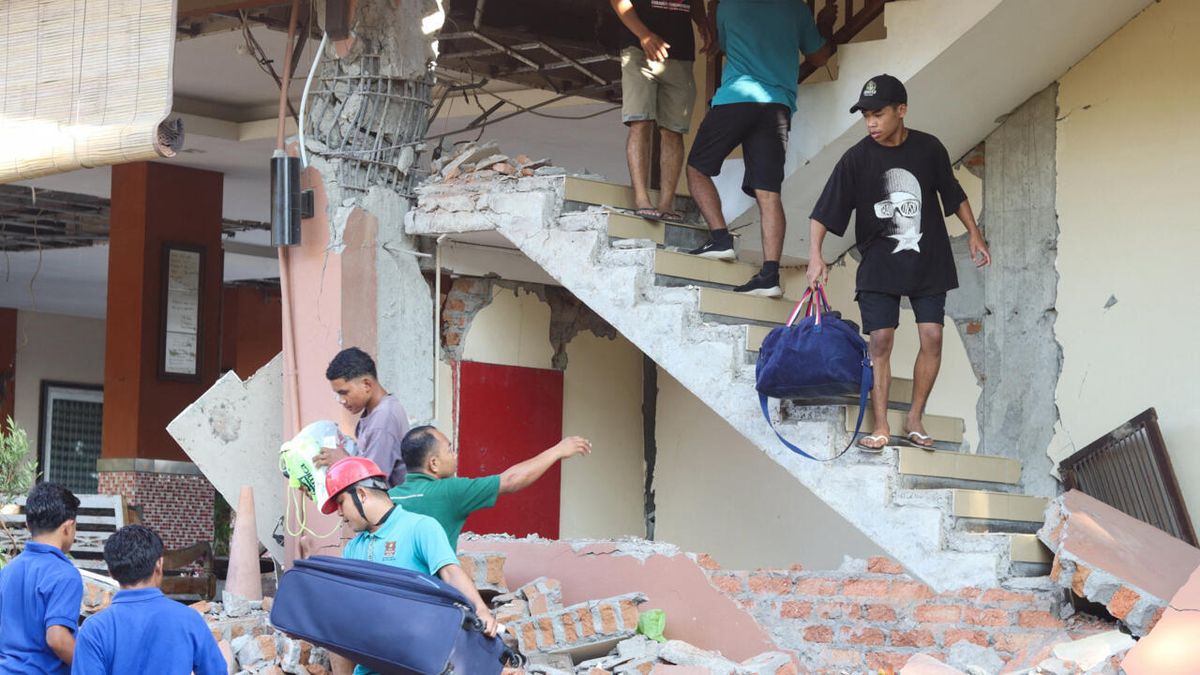
A powerful 7.7-magnitude earthquake struck off Indonesia's eastern Flores island, triggering mass evacuations and a brief tsunami warning. The shallow quake, centered near the coastal town of Ende, has claimed at least 20 lives, injured several, and left others trapped beneath collapsed structures. Emergency crews are contending with landslides blocking critical roads as they race to reach affected communities, primarily in the Nagekeo and Manggarai regencies.
Indonesia's location on the Pacific "Ring of Fire" means its people live in constant negotiation with geological forces. This latest tremor off Flores is not an anomaly but a stark reminder of the structural power dynamics at play between nature's immense force and human attempts at resilience. The Indonesian government, through agencies like the BMKG, possesses the technical capability to issue warnings, but the true power challenge lies in translating these warnings into effective, widespread protective action and sustainable infrastructure. The sheer scale and frequency of seismic events across the archipelago mean that resources for disaster preparedness and robust building codes are perpetually stretched, often prioritizing immediate development over long-term, expensive resilience in a nation of thousands of islands. The power to mitigate is a constant, uphill battle against the power of the earth itself, compounded by economic realities.
The immediate human cost of the Flores earthquake is counted in the lives lost, the injured, and the thousands who fled their homes in panic. For residents of Nagekeo, Maumere, and other affected towns, the earth's shaking is a terrifying, recurring trauma that disrupts not just buildings, but entire lives. Beyond the immediate casualties, entire communities face displacement, the loss of livelihoods, and the psychological burden of living in perpetual fear of the next tremor or tsunami. While the island is popular with tourists, it is the local populations, often living in less-resilient structures in remote villages, who bear the brunt of the destruction. Their homes, small businesses, and access to essential services are shattered, leaving them to rebuild with limited resources, often far from the centers of political and economic power where decisions about national resilience are made.
What official statements and immediate disaster reports often downplay is the chronic, systemic vulnerability that underlies these repeated tragedies. While Indonesia has sophisticated early warning systems, the challenge lies in ensuring their reach and effectiveness in remote, often impoverished areas, and in the consistent enforcement of building codes. The untold story is the long-term economic drain and psychological toll on a nation constantly recovering. Every major disaster diverts resources from other critical development areas, creating a cycle where immediate relief overshadows preventative investment. Furthermore, the sheer familiarity of these events can lead to a form of societal desensitization, making it harder to galvanize the sustained political will and financial commitment required for truly transformative, nationwide resilience programs, especially in areas not seen as central to the national economy or political power.
As rescue efforts transition to recovery, observers should watch for the equity and speed of the rebuilding process, particularly how aid and resources are distributed to the hardest-hit, often remote, communities. Will this event spur a renewed national commitment to upgrading infrastructure and enforcing stricter building codes across the archipelago, or will it be treated as another isolated incident in a long history of natural disasters? Pay close attention to any international aid packages and their conditions, as well as how the Indonesian government balances immediate relief with long-term resilience strategies. The true measure of power will be seen not just in the immediate response, but in the sustained effort to protect its most vulnerable citizens from the ground beneath them.
Source referenced: FRANCE24
This brief was synthesized by our Editorial Engine and reviewed by The Ground Narrative team.


