TRENDING

Monday, 5 October 2026
----------------------
24 Rabi' Al-Thani 1448 AH
A 7.7-magnitude earthquake struck Indonesia's Flores region, killing at least 38 people and prompting a rescue operation. The disaster highlights the country's vulnerability to natural disasters and the need for improved disaster response mechanisms. As rescuers search for survivors, the government faces scrutiny over its preparedness and response to the crisis.
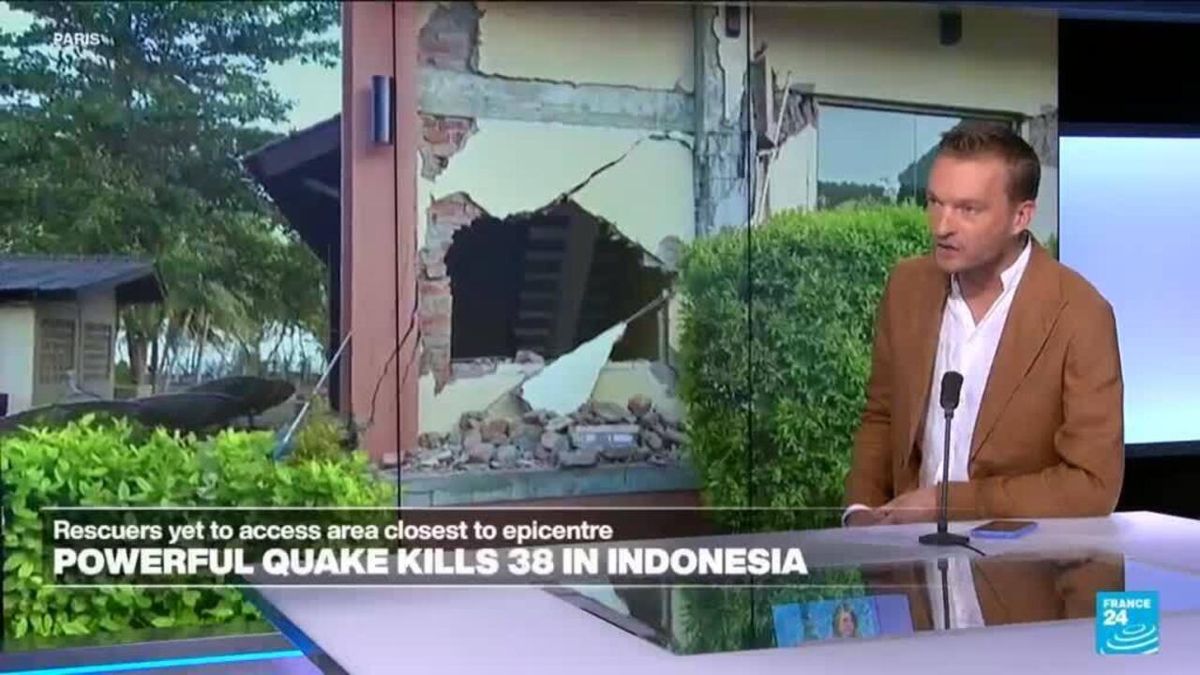
A powerful earthquake with a magnitude of 7.7 struck the Flores region in Indonesia, resulting in significant damage and loss of life. The disaster has prompted a large-scale rescue operation, with teams working to pull survivors from the rubble. An aftershock has further complicated the rescue efforts, raising fears of additional casualties.
Indonesia is located in a seismically active region, making it prone to earthquakes and tsunamis. The country's geography, with over 17,000 islands, poses significant challenges to disaster response and relief efforts. The government's ability to respond effectively to natural disasters is crucial, as it can impact the country's economic development, political stability, and social cohesion. International aid and assistance may be necessary to support the relief efforts, but this can also create dependencies and raise questions about the country's sovereignty.
The people most affected by the earthquake are those living in the rural areas of the Flores region. Local communities are often the first responders in such disasters, and they bear the brunt of the humanitarian crisis. The earthquake has disrupted essential services, including healthcare, education, and communication, exacerbating the suffering of the affected populations. As the rescue operation continues, it is essential to prioritize the needs of the most vulnerable, including women, children, and the elderly.
While the Indonesian government has responded quickly to the disaster, there are concerns about the preparedness and capacity of the country's disaster response mechanisms. The government may be downplaying the extent of the damage and the number of casualties to avoid panic and maintain public confidence. However, this can also create a lack of transparency and accountability, making it challenging to assess the effectiveness of the response efforts. International organizations and NGOs may be able to provide critical support, but their involvement can also raise questions about the government's ability to manage the crisis.
As the rescue operation continues, it is essential to monitor the government's response to the disaster, including its ability to provide essential services, shelter, and medical care to the affected populations. The international community should be prepared to offer assistance, but it is crucial to ensure that this support is coordinated with the government's efforts and prioritizes the needs of the local communities. In the long term, the Indonesian government should focus on disaster risk reduction and management, including investing in early warning systems, infrastructure, and community preparedness programs to mitigate the impact of future disasters.
Editor's Note: The analysis is based on publicly available information and may not reflect the full extent of the disaster or the government's response efforts.
Source referenced: FRANCE24
This brief was synthesized by our Editorial Engine and reviewed by The Ground Narrative team.


