TRENDING

Monday, 5 October 2026
----------------------
24 Rabi' Al-Thani 1448 AH
A magnitude-7.7 earthquake struck off Indonesia's Flores Island, resulting in a rising death toll and warnings of possible aftershocks. As rescue teams assess the damage, the region's vulnerability to natural disasters is once again highlighted. The earthquake is a stark reminder of the human cost of living in a seismically active region and the importance of disaster preparedness.
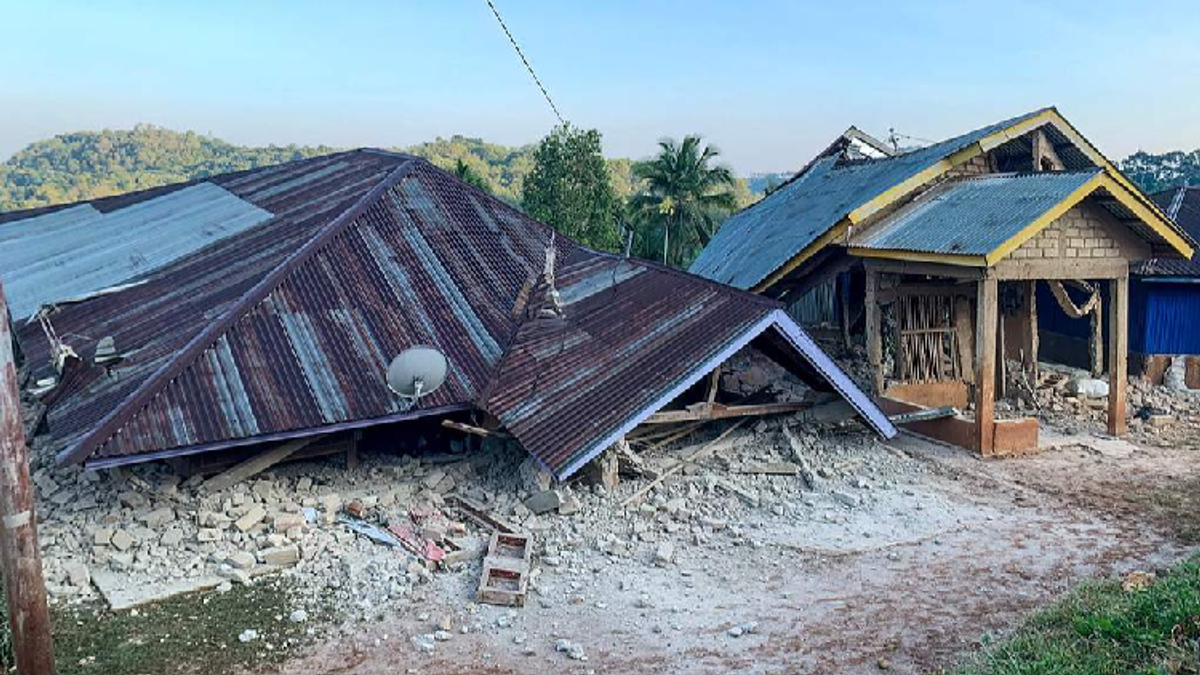
A powerful magnitude-7.7 earthquake struck off Indonesia's Flores Island, leaving a trail of destruction and claiming lives. The earthquake, centered near Mbay in Nagekeo Regency, prompted a tsunami warning that was later lifted. As the region struggles to come to terms with the disaster, the death toll has risen to two, with many more affected by the quake.
Indonesia's location on the Pacific 'Ring of Fire' makes it prone to frequent earthquakes, with the country sitting atop an arc of volcanoes and fault lines encircling the Pacific Basin. This unique geography creates a complex web of power dynamics, with the government, emergency services, and local communities all playing a crucial role in disaster response and preparedness. The earthquake highlights the need for effective disaster management and the importance of international cooperation in providing aid and support to affected regions.
The people of Flores Island are the unseen victims of this disaster, with many forced to flee their homes and seek shelter in safe areas. The earthquake has not only caused physical destruction but also emotional trauma, with residents left to pick up the pieces and rebuild their lives. The human cost of the earthquake extends beyond the immediate aftermath, with long-term effects on the local economy, infrastructure, and community.
While the Indonesian government and emergency services have responded quickly to the disaster, there are concerns about the adequacy of disaster preparedness measures in the region. The earthquake has exposed gaps in the country's disaster management systems, including inadequate infrastructure, limited resources, and a lack of public awareness about earthquake risks. The international community has a critical role to play in supporting Indonesia's disaster response efforts, but there are also questions about the extent to which foreign aid is being effectively utilized to support local communities.
As the situation on Flores Island continues to unfold, there are several key developments to watch. The Indonesian government's response to the disaster will be crucial in determining the effectiveness of relief efforts and the speed of recovery. The international community's response, including the provision of aid and support, will also be closely watched. Furthermore, the earthquake highlights the need for greater investment in disaster preparedness and mitigation measures, including early warning systems, evacuation drills, and infrastructure reinforcement. As the region looks to rebuild and recover, it is essential to prioritize the needs of local communities and ensure that their voices are heard in the disaster response and recovery efforts.
Editor's Note: The analysis is based on publicly available information and may not reflect the full complexity of the situation on the ground.
Source referenced: CGTN
This brief was synthesized by our Editorial Engine and reviewed by The Ground Narrative team.


