TRENDING

Monday, 5 October 2026
----------------------
24 Rabi' Al-Thani 1448 AH
At least five people have died in Indiana due to severe flooding, with the state experiencing its worst flooding in over 30 years. The disaster has raised questions about the government's response and the long-term impact on affected communities.
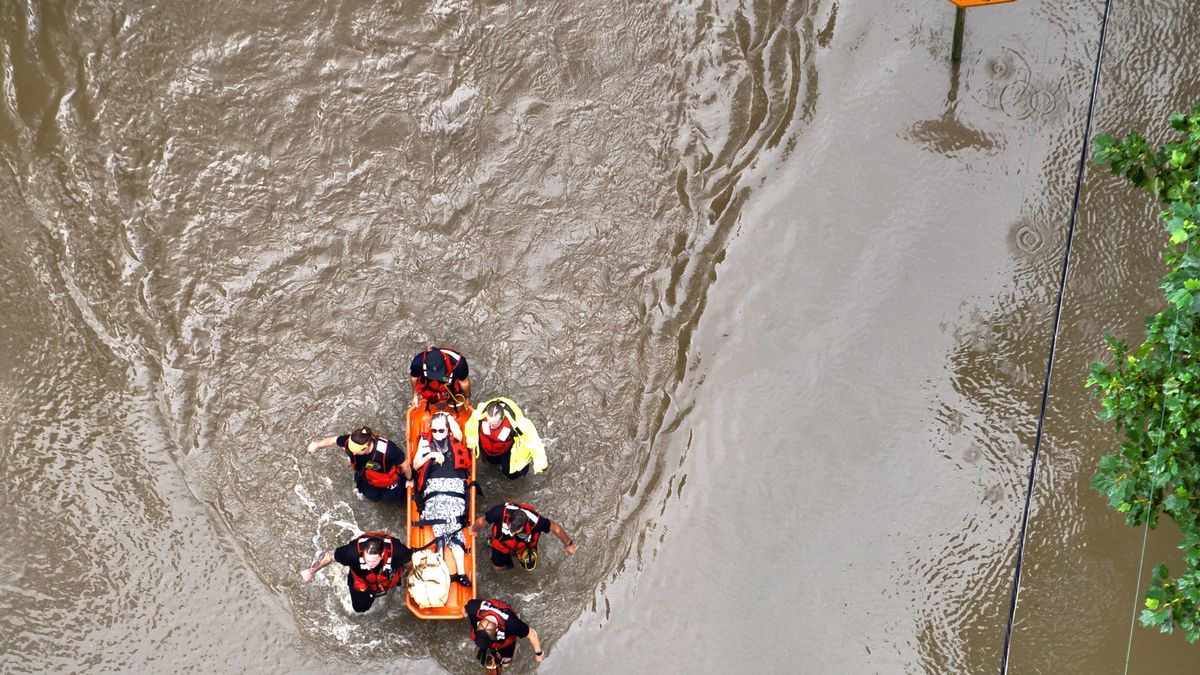
The US state of Indiana has been hit by severe storms and flooding, resulting in at least five reported deaths. The flooding, which is the worst in over 30 years, has prompted Governor Mike Braun to call for a presidential emergency declaration to access greater resources for the state.
The flooding in Indiana is not just a natural disaster, but also a reflection of the state's infrastructure and disaster preparedness. The fact that the federal government has pledged assistance highlights the power dynamics at play, with the state relying on federal aid to respond to the crisis. The governor's public statement announcing the federal government's commitment to providing assistance also underscores the importance of political relationships in times of crisis.
The people most affected by the flooding are those living in low-lying areas, who are often from low-income backgrounds and lack the resources to recover from such disasters. The death of a 58-year-old woman who attempted to drive through floodwaters and a four-year-old child who died after a tree fell on their home are stark reminders of the human cost of such disasters. The affected communities will likely face long-term challenges in recovering from the flooding, including displacement, economic hardship, and psychological trauma.
What is being downplayed in the official statements is the role of climate change in exacerbating such extreme weather events. The fact that the National Weather Service reported over 280mm of rain in some areas over two days highlights the unusual nature of the flooding. Furthermore, the government's response to the crisis has been criticized for being slow, with some arguing that more could have been done to prevent the flooding or mitigate its effects. The lack of attention to the root causes of such disasters, including climate change and infrastructure neglect, means that the affected communities may face similar challenges in the future.
As the situation in Indiana continues to unfold, readers should watch for the government's response to the crisis, including the distribution of federal aid and the implementation of measures to prevent similar disasters in the future. The long-term impact on the affected communities, including the economic and psychological toll, should also be closely monitored. Additionally, the role of climate change in exacerbating extreme weather events should be given more attention, and policymakers should be held accountable for their actions to address this critical issue.
Editor's Note: The analysis is based on publicly available information and may not reflect the full complexity of the situation on the ground.
Source referenced: ALJAZEERA
This brief was synthesized by our Editorial Engine and reviewed by The Ground Narrative team.


