TRENDING

Monday, 5 October 2026
----------------------
24 Rabi' Al-Thani 1448 AH
Across India, young people are protesting alleged irregularities in government recruitment exams, challenging a system they believe is rigged. These demonstrations highlight deep-seated issues of corruption and accountability within the state's most crucial institutions.
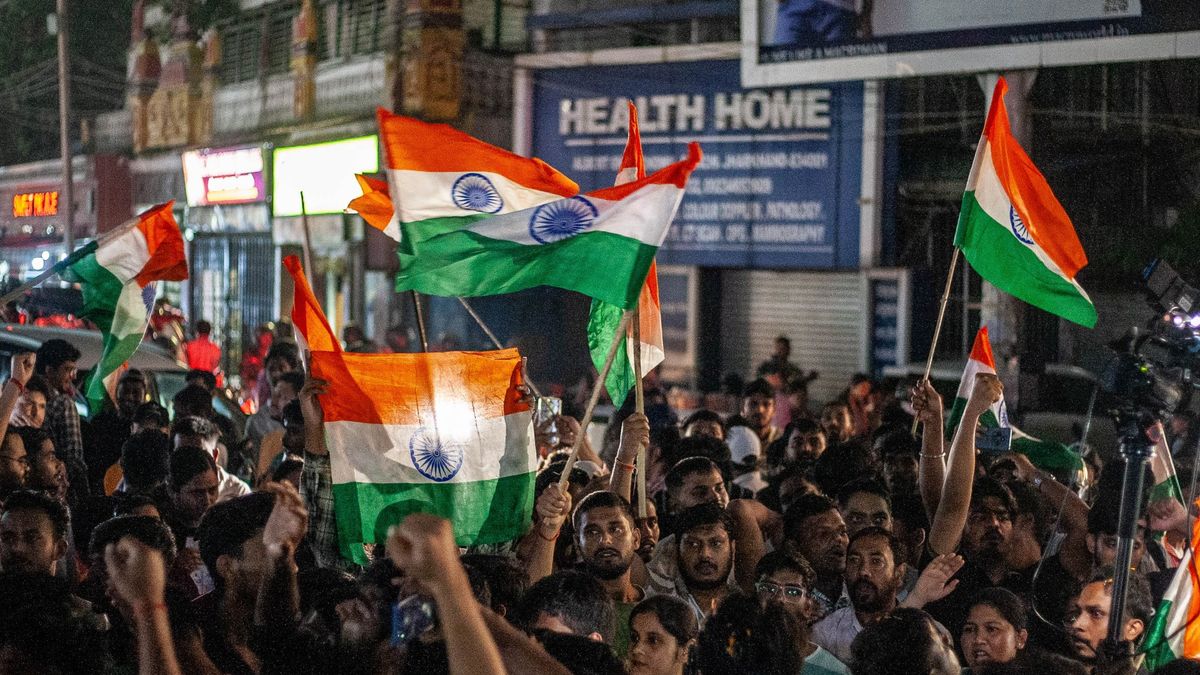
In India's eastern state of Jharkhand, thousands of students have taken to the streets, clashing with riot police armed with water cannons and barricades. Their anger stems from alleged irregularities, including question paper leaks, in highly competitive government recruitment examinations administered by the Jharkhand Public Service Commission (JPSC) and other state bodies. While the state government has made some concessions, including cancelling certain exams and accepting resignations from JPSC board members, the protesters demand a full overhaul of the system and a federal investigation by the Central Bureau of Investigation (CBI).
At its core, this is a conflict over the fundamental promise of meritocracy in a nation where public sector jobs represent a coveted pathway to stability and upward mobility. The state government, as the primary employer in these roles, wields immense power over the economic futures of millions. When the integrity of its recruitment process is questioned, it challenges the very legitimacy of its authority. The deployment of police, barricades, and surveillance drones is a classic exercise of state power, designed to contain dissent and protect the narrative of order. However, the students, drawing inspiration from recent successful youth-led movements like the 'cockroach' protests in New Delhi, are demonstrating the growing power of collective action. Their organized protests, including hunger strikes and direct confrontations, force the state to acknowledge their grievances, even if reluctantly. This dynamic reveals a fragile balance between the state's need to maintain control and its imperative to respond to public pressure, particularly from a critical demographic like the youth.
The human cost of these alleged irregularities is borne by millions of young Indians who dedicate years, often at significant financial and personal sacrifice, to prepare for these exams. For many, a government job is not just a career; it's a lifeline out of poverty, a guarantee of social security, and a source of immense family pride. When exams are leaked or results manipulated, it shatters these aspirations, leaving behind a trail of frustration, despair, and deep-seated cynicism. Students invest in coaching classes, move to urban centers, and forgo other opportunities, only to find the system they trusted potentially rigged against them. The physical toll of protesting – facing water cannons, enduring hunger strikes – is just the visible tip of an iceberg of psychological and economic strain on an entire generation.
Official statements from governments often frame exam irregularities as isolated incidents or the actions of a few 'bad apples.' What is consistently downplayed or omitted is the systemic nature of the problem. These leaks are not mere accidents; they often point to deep-seated corruption, patronage networks, and a lack of accountability within the administrative machinery itself. Governments are reluctant to admit that the very institutions designed to ensure fair access to public service may be compromised, as it undermines public trust and exposes the vulnerability of state capacity. Furthermore, these protests are not solely about exam papers; they are a potent symbol of broader youth disenchantment with high unemployment rates, limited economic opportunities, and a perceived lack of transparency and justice from those in power. This widespread disillusionment among India's vast youth demographic poses a significant, often unacknowledged, challenge to political stability and social cohesion.
Moving forward, observers should watch whether the Jharkhand state government fully capitulates to the demands for a CBI investigation and the cancellation of all disputed exams. The extent of these concessions will indicate the perceived political cost of continued unrest versus the cost of admitting systemic failure. Crucially, the long-term impact on the ruling party's electoral prospects, both at the state and national level, will be significant, as youth voters are a formidable force. Beyond Jharkhand, the key question is whether these localized protests will inspire similar movements in other states grappling with identical issues, potentially coalescing into a broader national demand for greater transparency and accountability in public recruitment—a fundamental test for India's democratic institutions and its social contract with its young citizens.
Source referenced: ALJAZEERA
This brief was synthesized by our Editorial Engine and reviewed by The Ground Narrative team.


