TRENDING

Monday, 5 October 2026
----------------------
24 Rabi' Al-Thani 1448 AH
The International Criminal Court faces a crisis as Chad and Venezuela announce their withdrawal, citing bias against Africa and Latin America. The move undermines global efforts to fight impunity and raises questions about the court's effectiveness.
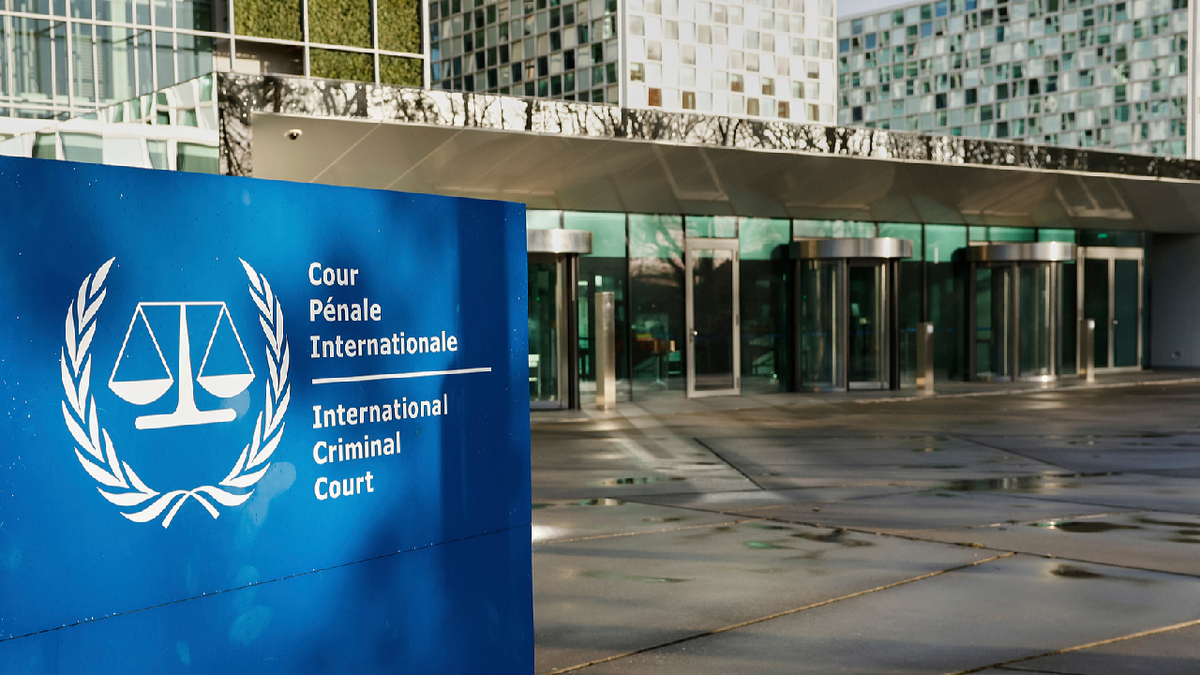
The Assembly of States Parties, the oversight body of the International Criminal Court (ICC), has urged Chad and Venezuela to reconsider their decisions to withdraw from the court. The appeal comes as the ICC faces its most significant wave of withdrawal announcements since its establishment in 2002. Chad and Venezuela join Burkina Faso, Mali, and Niger, which announced plans to leave the court last year.
The ICC's investigation into Venezuela is expected to proceed regardless of the withdrawal announcement, as the Rome Statute, the court's founding treaty, allows for existing investigations and proceedings to continue during the one-year notification period. However, the withdrawal of these countries undermines the court's authority and raises questions about its effectiveness in holding powerful individuals accountable for international crimes. The ICC has faced mounting pressure from the US administration, which has criticized the court over its arrest warrant for Israeli Prime Minister Benjamin Netanyahu and its investigation into alleged crimes involving foreign forces, including US personnel, in Afghanistan.
The withdrawal of Chad and Venezuela from the ICC will have significant implications for the victims of international crimes in these countries. The ICC's investigation into Venezuela, for example, is expected to continue, but the withdrawal may limit the court's ability to gather evidence and witnesses. The people who will be most affected by this decision are those who have suffered from human rights abuses and are seeking justice. The ICC's ability to hold powerful individuals accountable for international crimes is crucial for preventing future atrocities and promoting accountability.
What is being downplayed in the statements of Chad and Venezuela is the fact that their withdrawal from the ICC is not just about the court's perceived bias against Africa and Latin America, but also about the fear of being held accountable for human rights abuses. The ICC's investigation into Venezuela, for example, is a sensitive issue for the government, which has been accused of human rights abuses. The withdrawal of these countries from the ICC is a strategic move to avoid accountability and to undermine the court's authority.
Readers should watch for the outcome of the ICC's investigation into Venezuela, which is expected to continue despite the country's withdrawal from the court. The ability of the ICC to gather evidence and witnesses will be crucial in determining the success of the investigation. Additionally, the reaction of the international community to the withdrawal of Chad and Venezuela from the ICC will be important in determining the court's future effectiveness. The ICC's ability to hold powerful individuals accountable for international crimes is crucial for promoting accountability and preventing future atrocities.
Editor's Note: The analysis is based on publicly available information and may not reflect the full complexity of the situation.
Source referenced: CGTN
This brief was synthesized by our Editorial Engine and reviewed by The Ground Narrative team.


