TRENDING

Friday, 25 September 2026
----------------------
14 Rabi' Al-Thani 1448 AH
Hezbollah supporters took to the streets of Beirut to protest an agreement between Israel and Lebanon, highlighting the group's opposition to the deal and the potential for civil war.
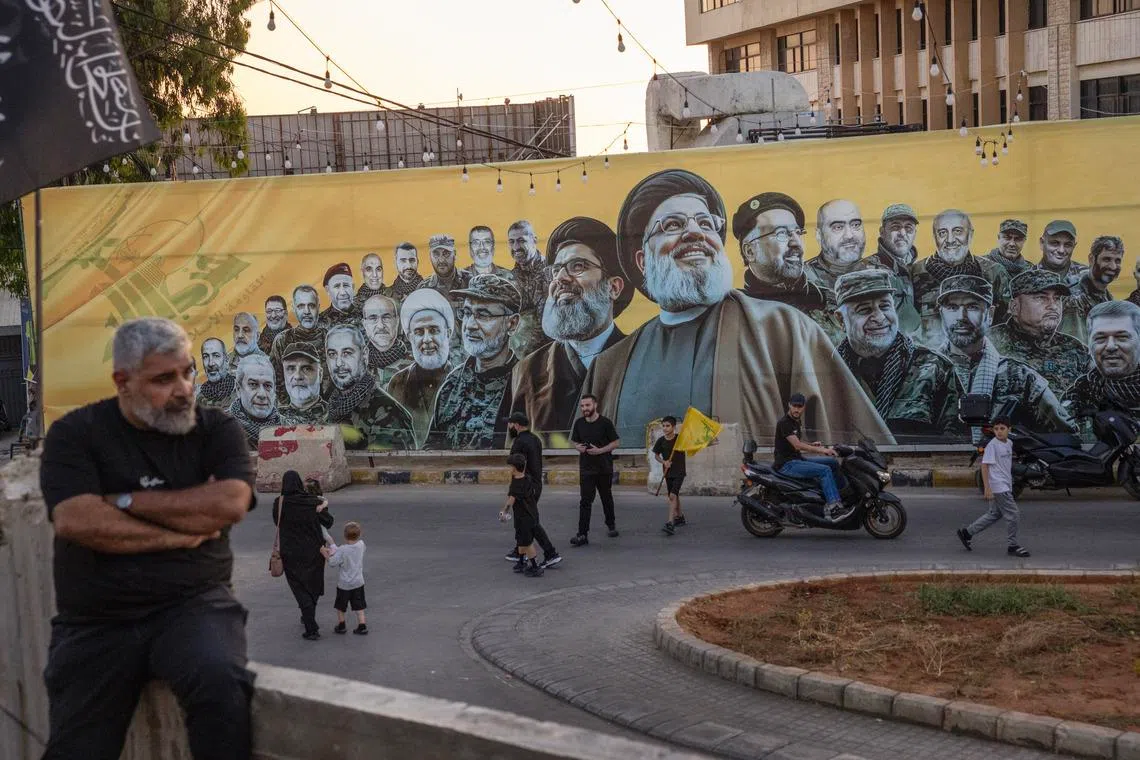
Hezbollah supporters in Beirut have taken to the streets to protest an agreement between Israel and Lebanon, marking a significant escalation in the group's opposition to the deal. The protests, which involved hundreds of supporters riding motorbikes and mopeds through the city, demonstrate the depth of Hezbollah's resistance to the agreement and the potential for civil war.
The agreement between Israel and Lebanon was announced in Washington, and it has been met with widespread opposition from Hezbollah and its allies. The group has long rejected direct talks with Israel, and the agreement is seen as a betrayal of the Islamabad path, which was initially agreed upon by the US and Iran to halt the Middle East war. Hezbollah's opposition to the deal is driven by its desire to maintain its resistance against Israel and its commitment to the resistance movement.
Hezbollah's protests in Beirut are a strategic move to demonstrate its opposition to the agreement and to pressure the Lebanese government to reject the deal. The group is seeking to maintain its influence in Lebanon and to prevent the government from implementing the agreement, which it sees as a threat to its existence. By protesting in the streets, Hezbollah is able to mobilize its supporters and to demonstrate its strength and determination.
The protests in Beirut have significant regional implications, as they highlight the deep divisions within Lebanon and the potential for civil war. The agreement between Israel and Lebanon is seen as a threat to the resistance movement, and Hezbollah's opposition to the deal is driven by its desire to maintain its resistance against Israel. The protests also demonstrate the influence of Hezbollah in Lebanon and its ability to mobilize its supporters.
The future consequences of the protests in Beirut are uncertain, but they have the potential to lead to civil war. The Lebanese government will be under pressure to reject the agreement, and Hezbollah will continue to protest and mobilize its supporters. The international community will be watching the situation closely, and the US and other countries will be seeking to prevent a civil war in Lebanon.