TRENDING

Monday, 5 October 2026
----------------------
24 Rabi' Al-Thani 1448 AH
Western Europe's record-breaking heatwaves are more than just weather events; they expose deep structural power dynamics and pose escalating human and economic costs that governments are struggling to address.
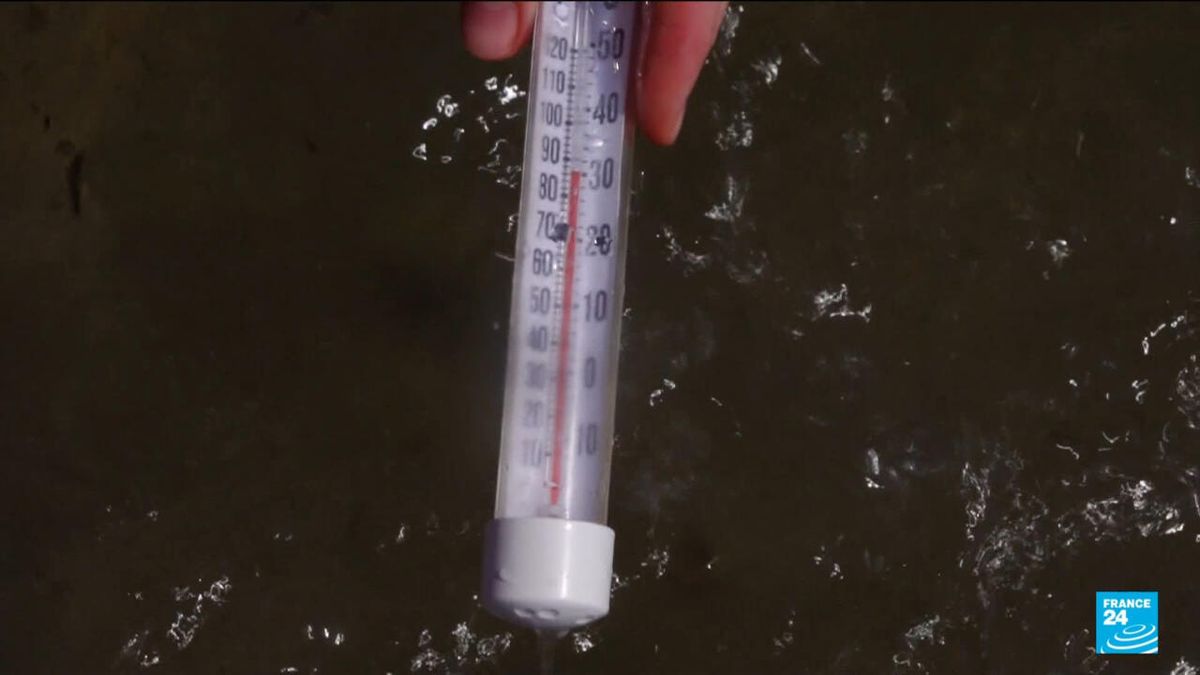
Western Europe has endured a summer of unprecedented heat, with June-July 2026 setting new average temperature records, surpassing those of 2022. This extreme heat, which began in May, has fueled devastating wildfires across the region, exacerbated prolonged drought conditions, and led to the establishment of new national temperature highs. Tragically, these events are projected to be responsible for thousands of heat-related deaths, marking 2026 as globally the third-hottest year on record, following 2024 and 2025.
The relentless heatwaves expose a fundamental tension in European governance: the immediate demands of economic stability and public welfare versus the long-term imperative of climate action. Governments are caught between the need to protect citizens from immediate threats like heatstroke and wildfires, and the political and economic costs of transitioning away from fossil fuels. Post-energy crisis, the drive for energy security has, in some instances, slowed the pace of green transition, creating a complex trade-off. While the European Union has ambitious climate targets, the implementation often faces resistance from national industries, powerful lobbies, and populations concerned about the impact on their daily lives and energy bills. The cost of adapting infrastructure for a hotter future – from urban planning to healthcare systems – is immense, yet the cost of inaction, measured in human lives, lost productivity, and disaster relief, continues to escalate. This creates a political survival dilemma for leaders: push for unpopular but necessary long-term changes, or prioritize short-term relief and risk greater future crises.
The human cost of these escalating heatwaves is disproportionately borne by the most vulnerable populations, often those with the least political voice. The elderly, infants, and individuals with pre-existing health conditions face heightened risks of heatstroke and mortality, straining already overburdened healthcare systems. Outdoor workers, from agricultural laborers to construction crews, endure dangerous conditions, leading to reduced productivity and significant health hazards. Low-income households, often residing in poorly insulated housing without access to air conditioning, are trapped in heat traps, exacerbating existing social inequalities. Beyond direct health impacts, the wildfires displace communities, destroy livelihoods, and inflict psychological trauma, while prolonged droughts threaten agricultural yields, driving up food prices and impacting farmers' incomes. These are the populations whose daily struggles rarely feature prominently in high-level climate policy discussions, yet they are on the front lines of a changing climate.
While official statements and media coverage often highlight immediate responses – emergency services, cooling centers, water restrictions – what remains largely unaddressed is the systemic failure to adequately prepare for and mitigate these predictable events. Governments tend to frame heatwaves as natural disasters rather than direct consequences of insufficient climate action, thereby deflecting responsibility from policy choices that continue to prioritize economic growth powered by fossil fuels. The true economic burden extends far beyond immediate disaster relief; it includes the long-term costs of chronic health issues, decreased labor productivity, damage to critical infrastructure, and the erosion of natural capital. Furthermore, the political will required for truly transformative climate policies, such as significant carbon pricing or stringent industrial regulations, is often sacrificed at the altar of short-term electoral cycles. The narrative downplays the fact that these "record-breaking" events are becoming the new normal, demanding a fundamental re-evaluation of how societies are built and powered, rather than just better emergency responses.
As Europe grapples with these recurring crises, several key indicators will reveal the true trajectory of its response. Watch for shifts in national budget allocations, specifically how much is dedicated to genuine climate mitigation versus reactive adaptation measures. The upcoming European parliamentary elections and national political debates will test whether climate action remains a central, urgent issue or is relegated to a secondary concern. Pay close attention to public health data on heat-related morbidity and mortality – these statistics are often slow to emerge but will paint a clearer picture of the human toll and the effectiveness of current interventions. Finally, observe the agricultural sector and water management policies; prolonged drought will force difficult decisions about resource allocation, potentially sparking inter-regional or even international disputes over dwindling supplies. The conversation must move beyond simply surviving the next summer to fundamentally reshaping the continent's relationship with its environment.
Source referenced: FRANCE24
This brief was synthesized by our Editorial Engine and reviewed by The Ground Narrative team.