TRENDING

Monday, 5 October 2026
----------------------
24 Rabi' Al-Thani 1448 AH
As Hurricane Lala weakens to a tropical storm, Hawaii grapples with the aftermath of severe flooding, power outages, and life-threatening mudslides. The storm's impact is a stark reminder of the human cost of climate-driven disasters, which disproportionately affect vulnerable communities. With over 40,000 households without power and at least one reported death, the Aloha State is bracing for the long-term consequences of this disaster.
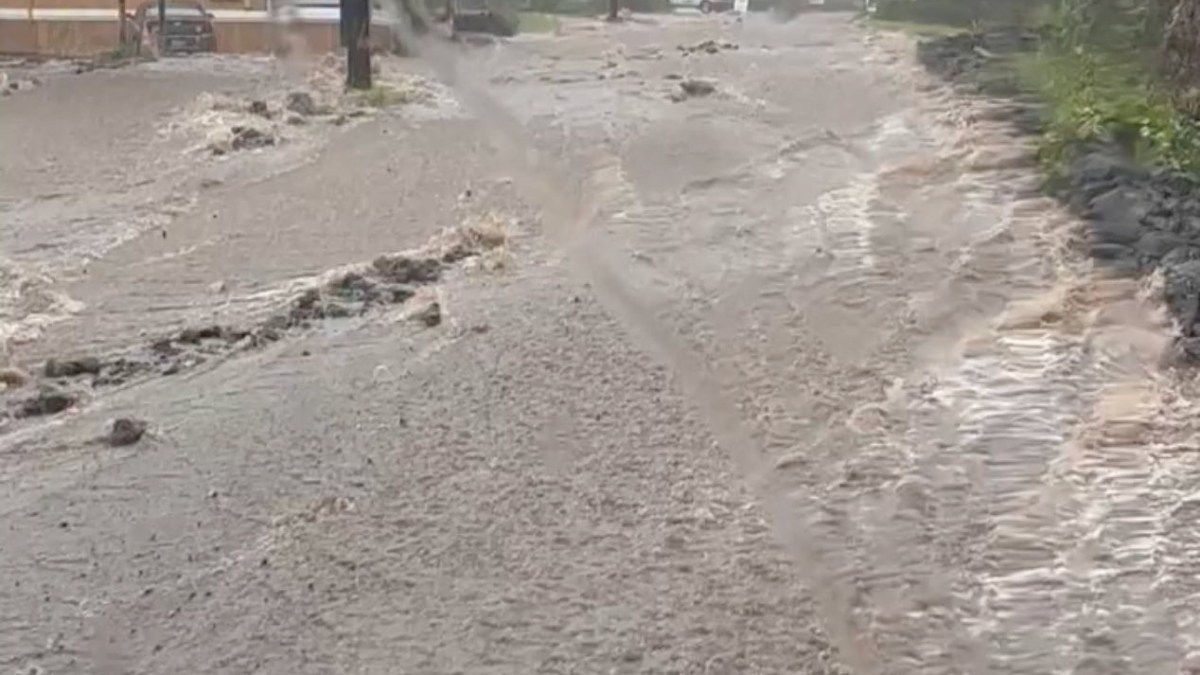
Hurricane Lala, which recently weakened to a tropical storm, has brought severe flooding, power outages, and life-threatening mudslides to the Hawaiian islands. The storm's impact has been felt across the state, with over 40,000 households without power and at least one reported death. As the storm continues to move westward, residents are bracing for the long-term consequences of this disaster.
The impact of Hurricane Lala is not just a natural disaster, but also a stark reminder of the power dynamics at play in the United States. The federal government's response to the disaster will be closely watched, particularly in terms of funding and resource allocation. The state's governor, Josh Green, has already switched three hospitals to generator power, highlighting the critical need for emergency funding and support. Meanwhile, the storm's effects on the state's tourism industry, a significant contributor to Hawaii's economy, will also be closely monitored.
The people of Hawaii, particularly those in low-lying areas and on the Big Island, are bearing the brunt of the storm's impact. Residents like Christine Matsuda, who lives in Waimea, are experiencing big gusts every few minutes that rattle the whole house. The storm's effects are not limited to physical damage; the emotional toll of living through a disaster of this magnitude should not be underestimated. As the state begins to recover, it is essential to prioritize the needs of the most vulnerable communities, including the elderly, young children, and those with disabilities.
What is being downplayed in the official statements is the long-term impact of climate change on Hawaii's infrastructure and ecosystems. The storm's severity is a stark reminder of the need for sustained investment in climate resilience and adaptation measures. The federal government's response to the disaster will be closely watched, particularly in terms of funding and resource allocation. However, the root causes of these disasters, including climate change and inadequate infrastructure, are often overlooked in the aftermath of a disaster. It is essential to address these underlying issues to mitigate the effects of future storms.
As the storm continues to move westward, residents and policymakers should watch for the following: further flooding, wildfires, and long-term damage to critical infrastructure. The state's response to the disaster will be critical in determining the speed and effectiveness of the recovery efforts. Additionally, the federal government's response to the disaster will be closely watched, particularly in terms of funding and resource allocation. As the people of Hawaii begin to rebuild, it is essential to prioritize their needs and ensure that the recovery efforts are equitable, sustainable, and resilient.
Editor's Note: The analysis is based on publicly available data and may not reflect the full extent of the damage or the government's response to the disaster.
Source referenced: ALJAZEERA
This brief was synthesized by our Editorial Engine and reviewed by The Ground Narrative team.


