TRENDING

Monday, 5 October 2026
----------------------
24 Rabi' Al-Thani 1448 AH
As Hurricane Lala downgrades to a tropical storm, over 100,000 Hawaiian residents are left without power, highlighting the human cost of extreme weather events. The storm's impact is a stark reminder of the region's vulnerability to climate change. With floodwaters overtaking roads and homes swept away, the true extent of the damage is only beginning to emerge.
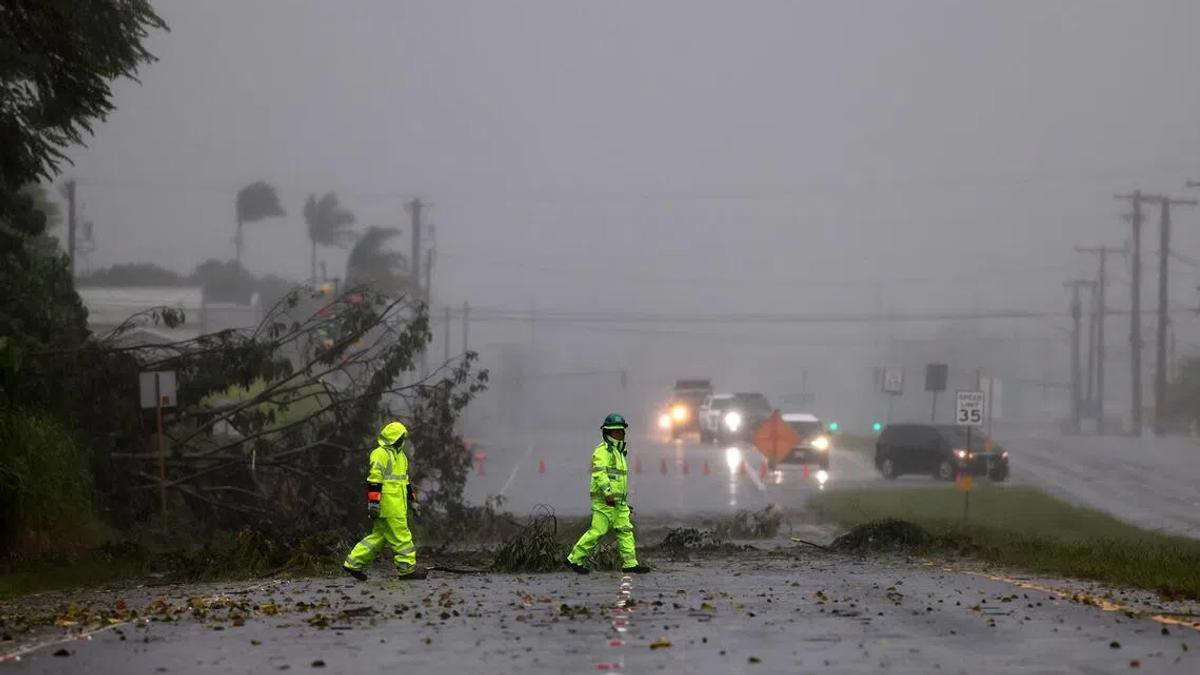
Hurricane Lala has left a trail of destruction in its wake, downing power lines and flooding roads across Hawaii. The storm, which was downgraded to a tropical storm, has affected over 130,000 utility customers, with the majority of outages reported on the Big Island, Honolulu County, and Maui County.
The impact of Hurricane Lala is not just a natural disaster, but also a consequence of climate change. Rising sea temperatures and changing weather patterns have increased the frequency and severity of extreme weather events like hurricanes. The Hawaiian government's response to the disaster is also influenced by economic and political factors, including the need to balance the costs of disaster relief with the state's budget constraints. The US Federal Emergency Management Agency (FEMA) is likely to play a key role in providing aid and support to affected areas.
The people of Hawaii are bearing the brunt of the disaster, with many residents forced to shelter in place as floodwaters rise and power outages persist. The most vulnerable populations, including the elderly and low-income families, are likely to be disproportionately affected by the disaster. The economic impact of the storm will also be significant, with businesses forced to close and tourism revenues likely to decline.
What is being downplayed in the official response to the disaster is the long-term vulnerability of Hawaii's infrastructure to climate change. The state's aging power grid and inadequate flood protection measures have been exposed by the storm, highlighting the need for significant investment in disaster resilience and mitigation measures. The role of climate change in exacerbating the severity of the storm is also being underplayed, with some officials focusing on the immediate response efforts rather than the underlying causes of the disaster.
As the situation in Hawaii continues to unfold, readers should watch for updates on the relief efforts and the extent of the damage. The response of the US government to the disaster will also be crucial, with FEMA's role in providing aid and support likely to be closely scrutinized. In the longer term, the implications of climate change for Hawaii's infrastructure and economy will need to be addressed, with significant investment required to build resilience and mitigate the effects of future disasters.
Editor's Note: The analysis is based on publicly available information and may not reflect the full extent of the damage or the official response to the disaster.
Source referenced: STRAITSTIMES
This brief was synthesized by our Editorial Engine and reviewed by The Ground Narrative team.