TRENDING

Monday, 5 October 2026
----------------------
24 Rabi' Al-Thani 1448 AH
As Tropical Storm Lala approaches Hawaii, the state declares a state of emergency, but the real threat lies in the long-term effects of climate change on the island's ecosystem and residents. The increasing frequency and intensity of extreme weather events pose a significant challenge to the state's infrastructure and economy.
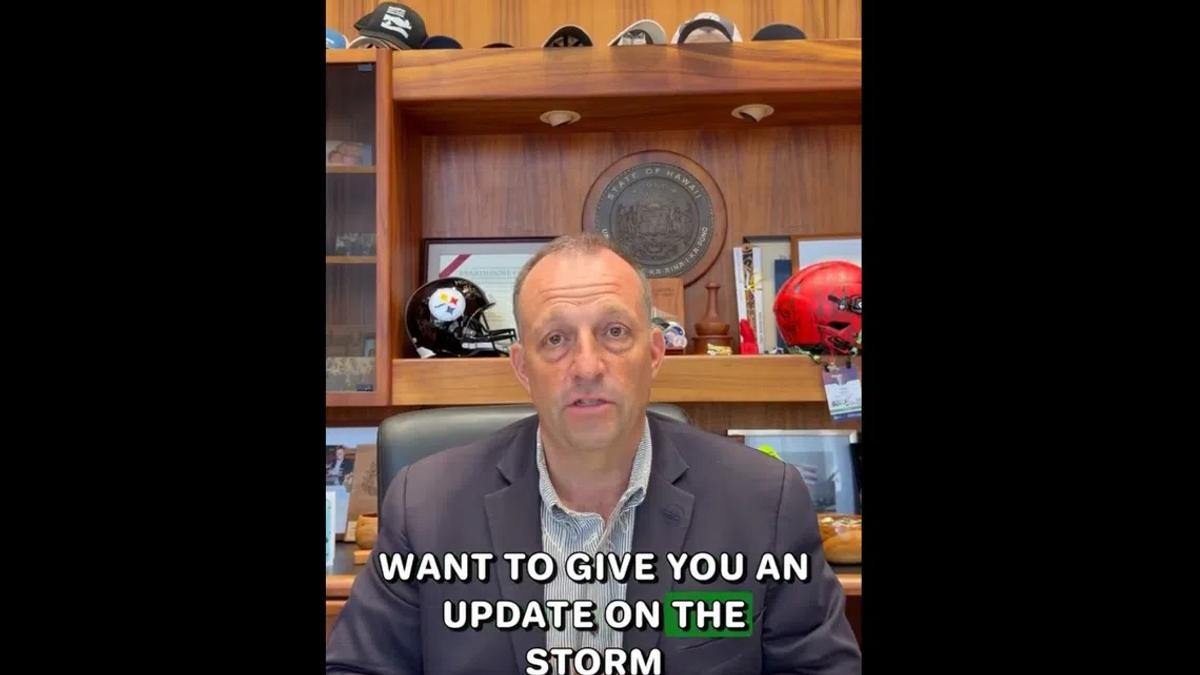
Hawaii has declared a state of emergency in anticipation of Tropical Storm Lala, which is expected to bring powerful winds, flooding, and landslides to the islands. Governor Josh Green has urged residents to secure their homes, gather essential supplies, and review their family emergency plans.
The declaration of a state of emergency is not just an administrative measure, but also a reflection of the state's vulnerability to extreme weather events. Hawaii's unique geography, with its volcanic islands and limited infrastructure, makes it particularly susceptible to the impacts of climate change. The increasing frequency and intensity of tropical storms and hurricanes pose a significant challenge to the state's economy, which is heavily reliant on tourism and agriculture.
The human cost of Tropical Storm Lala will be borne by the residents of Hawaii Island, who will face the brunt of the storm's impact. The island's 210,000 residents will have to contend with power outages, flooding, and landslides, which could disrupt their daily lives and livelihoods. The long-term effects of climate change will also have a disproportionate impact on the island's indigenous communities, who are already struggling to preserve their cultural heritage and traditional way of life.
What is being downplayed in the official statements is the role of climate change in exacerbating the frequency and intensity of extreme weather events. Scientists have been warning that climate change, caused by humanity's burning of fossil fuels, is increasing the likelihood of cyclones and hurricanes. The El Nino phenomenon, which is particularly strong in 2026, is warming the equatorial Pacific and increasing the likelihood of extreme weather events. The failure to address the root causes of climate change will only continue to put the residents of Hawaii and other island nations at risk.
As the storm approaches, readers should watch for updates on the storm's trajectory and intensity. They should also pay attention to the state's response to the emergency, including the deployment of resources and personnel. In the long term, readers should watch for the state's efforts to address the root causes of climate change, including the transition to renewable energy sources and the implementation of climate-resilient infrastructure. The fate of Hawaii and other island nations will depend on the ability of governments and corporations to prioritize the needs of people and the planet over profits and politics.
Editor's Note: The analysis is based on publicly available data and scientific research, but the exact trajectory and intensity of the storm are subject to change.
Source referenced: STRAITSTIMES
This brief was synthesized by our Editorial Engine and reviewed by The Ground Narrative team.


