TRENDING

Wednesday, 14 October 2026
----------------------
3 Jumada Al-Awwal 1448 AH
Over 1.5 million foreign pilgrims have begun the annual Hajj pilgrimage in Saudi Arabia, despite concerns about a resumption of the Iran war. The event highlights the complex geopolitical dynamics in the region and the challenges of maintaining regional stability.
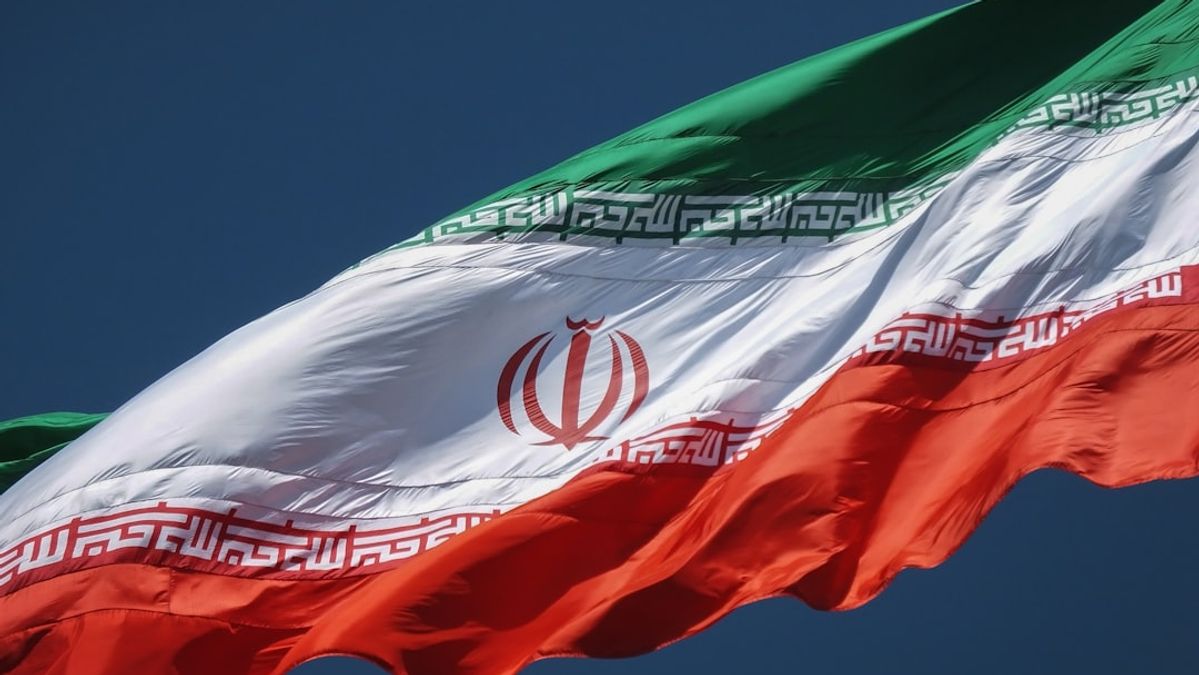
The Hajj pilgrimage is one of the five Pillars of Islam, and it takes place in the 12th month of the Islamic lunar calendar. This year, over 1.5 million foreign pilgrims have begun the journey, with 11,000 more attendees than last year. The pilgrimage is a significant event for Muslims worldwide, and it has been a source of tension in the region due to the ongoing conflict between the US, Israel, and Iran.
The Iran war has had far-reaching consequences for the region, including the disruption of air traffic, surging travel costs, and increased tensions between Saudi Arabia and Iran. The conflict has also raised concerns about the safety of pilgrims, with some expressing fears about the potential for violence and instability during the Hajj.
Saudi Arabia's decision to proceed with the Hajj pilgrimage despite the Iran war fears suggests that the country is prioritizing the safety and well-being of its citizens and pilgrims. The Saudi defense ministry has taken steps to ensure the security of the holy sites, including deploying air defense batteries around the holy city of Mecca.
The Hajj pilgrimage is a significant event that exposes the complex geopolitical dynamics in the region. The conflict between the US, Israel, and Iran has created an environment of uncertainty and tension, which could have long-term consequences for regional stability. The pilgrimage also highlights the challenges of maintaining regional stability in the face of competing interests and security concerns.
The Hajj pilgrimage is a critical event that has significant implications for regional stability and global security. The conflict between the US, Israel, and Iran has created an environment of uncertainty and tension, which could have long-term consequences for regional stability. The pilgrimage also highlights the challenges of maintaining regional stability in the face of competing interests and security concerns.
The Hajj pilgrimage has proceeded despite concerns about a resumption of the Iran war, exposing the complex geopolitical dynamics in the region. The event highlights the challenges of maintaining regional stability in the face of competing interests and security concerns. The pilgrimage also underscores the importance of prioritizing the safety and well-being of citizens and pilgrims in the face of uncertainty and tension.
Who: Over 1.5 million foreign pilgrims have begun the Hajj pilgrimage in Saudi Arabia.
What: The Hajj pilgrimage is a significant event that takes place in the 12th month of the Islamic lunar calendar.
When: The pilgrimage began on [date] and will continue for several days.
Where: The pilgrimage takes place in Saudi Arabia, with the holy city of Mecca being a key location.
Why: The pilgrimage is a critical event that exposes the complex geopolitical dynamics in the region and highlights the challenges of maintaining regional stability.
How: The Saudi defense ministry has taken steps to ensure the security of the holy sites, including deploying air defense batteries around the holy city of Mecca.
Tags: [iran war, saudi arabia, hajj pilgrimage, regional stability, geopolitical dynamics]
Categories: [World, Politics]
Importance Score: 8
Is Featured: true
Is Special: false
Social Hook: "Hajj pilgrimage proceeds amid Iran war fears, exposing regional tensions"
Confidence Note: The analysis is based on publicly available information and may not reflect the full complexity of the situation on the ground.
Editor's Note: The analysis is based on publicly available information and may not reflect the full complexity of the situation on the ground.
Source referenced: BBC
This brief was synthesized by our Editorial Engine and reviewed by The Ground Narrative team.


